Get Full Government Meeting Transcripts, Videos, & Alerts Forever!
Get email alerts on the Animal Welfare Shelter Funding topic
No spam. Unsubscribe anytime.
Residents and veterinarians press Hastings council for audit and clearer data as Heartland Pet Connection outlines finances
Summary
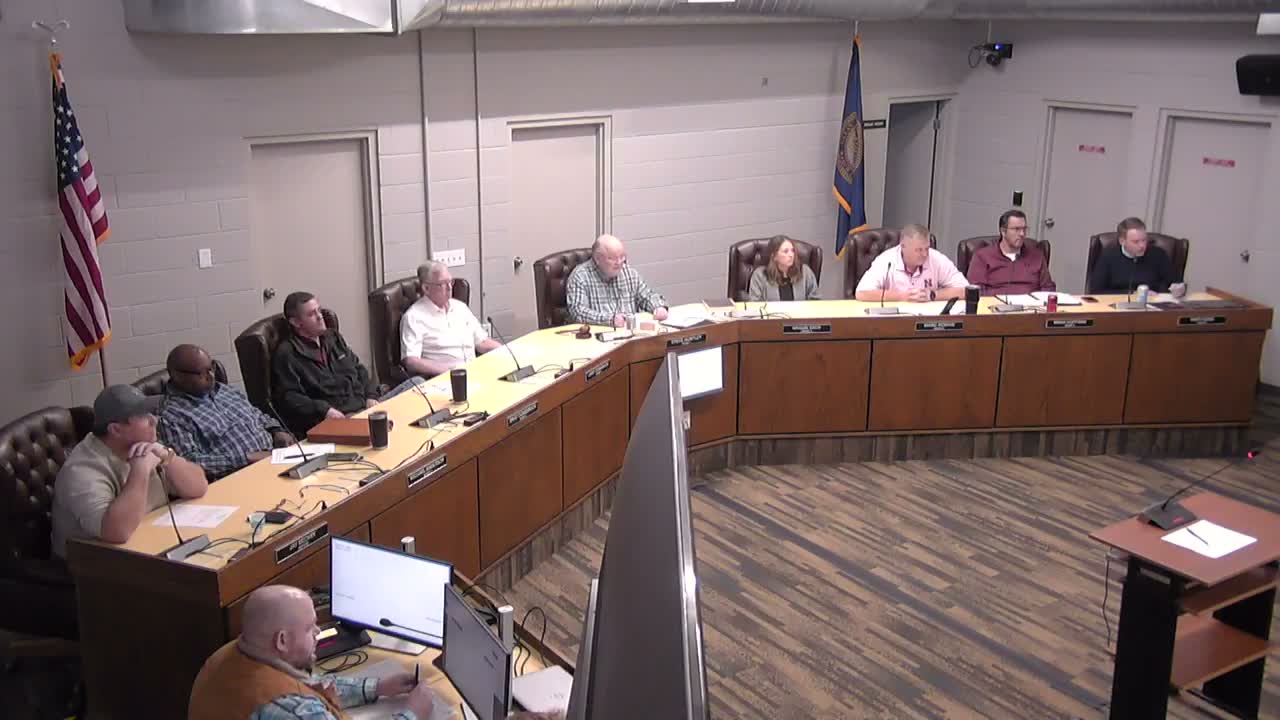
Heartland Pet Connection presented its operations and finances at the Feb. 13 work session; volunteers and multiple residents praised the shelter while local veterinarians and council members pressed for detailed intake, adoption and euthanasia figures and for an independent audit before approving a funding increase.
Heartland Pet Connection leaders told the Hastings City Council at a Feb. 13 work session that the nonprofit shelters hundreds of animals each year, has implemented some cost-saving measures and is open to greater financial transparency — while veterinarians and some residents urged the council to deny proposed funding increases until a fuller audit is completed.
The case: Heartland’s treasurer, Jake Cloudner, reported 772 animals brought into the facility during the fiscal year ending Sept. 30, 2025, with 709 coming from the city of Hastings and 578 handled by the Hastings Police Department. "For fiscal year ending 09/30/2025... 772 animals brought into the facility," Cloudner said, and he gave an average expense figure of "$212 per animal." He and other Heartland leaders said long-term contracts and CPI-linked increases left them with budget pressure and asked the city to consider temporary bridge funding and future contract amendments.
Concerns and audit request: Veterinarian Tammy Craig, a licensed Hastings veterinarian of more than 30 years, sharply questioned Heartland’s medical protocols and financials, saying the presentation showed "no actual plan for a fix" and urging the council to "deny this increase and amend a full independent audit of their intakes, their outgoing, so are they reclaimed, euthanized, and then the books." Craig also cited a transcript reference to "revised statute 71-4402" in arguing that rabies vaccination practices needed clarification.
Heartland’s response: Shelter manager Jenny Thiessen and board president Tara McDonald described shelter protocols, temperament testing, and veterinary partnerships. Thiessen said animals for adoption are spayed or neutered before leaving the facility, with deposits and follow-up for animals too young for surgery. On the earlier criticism about rabies vaccination, Heartland said it uses a refundable deposit and requires rabies vaccination within seven days after an animal reaches the appropriate age. The group invited city staff to review its books and offered to restart quarterly financial briefings for the council.
Money and measures: Heartland said it implemented a food-procurement change projected to save roughly $6,500 annually and presented a breakdown of wages, food, vet services and other line items. The shelter described proposals such as changing staff-hour distribution, carefully weighing open-hours changes (which could reduce adoption opportunities), and exploring more equitable contract structures (for example, per-animal compensation rather than a flat fee).
Council follow-up: Council members requested clearer adoption, reclaim and euthanasia statistics and asked Heartland to supply readable data on outcomes. The city and Heartland agreed to meet with staff to negotiate contract details; staff said they would initiate contract discussions if the council wants them to proceed.
What’s next: Heartland committed to sending clarified outcome numbers and to meeting with city staff to discuss contracts and possible short-term funding. Council members emphasized that data on adoptions, reclaims and euthanasia is public information important for future decisions.