Get Full Government Meeting Transcripts, Videos, & Alerts Forever!
Get email alerts on the Redevelopment Area 19 topic
No spam. Unsubscribe anytime.
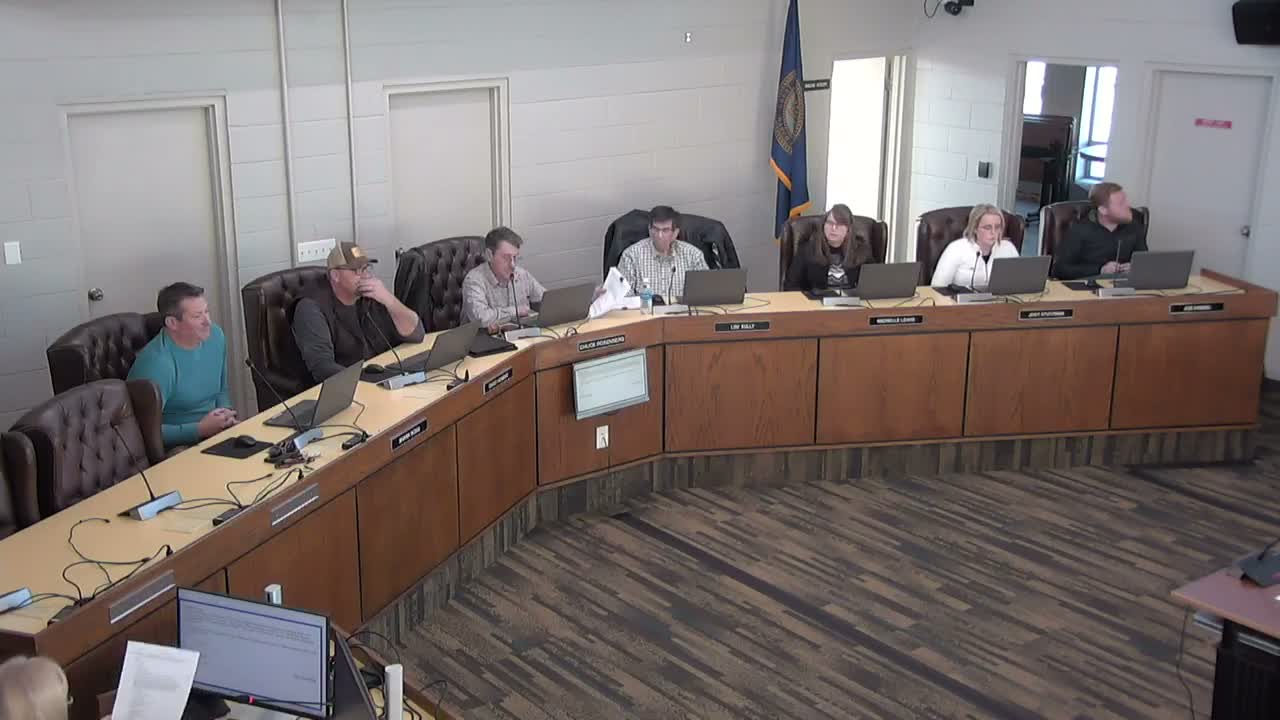
Planning commission recommends blight designation for Redevelopment Area 19 over resident objections
Summary
The Hastings Planning Commission on Jan. 21 recommended that City Council designate Redevelopment Area 19 as blighted and substandard (6–1), a procedural step that could allow tax-increment financing for future housing development; nearby property owners argued the site is largely vacant agricultural land and cited state court precedent.
The Hastings Planning Commission voted Jan. 21 to recommend that the City Council designate a swath of east‑side land as Redevelopment Area 19 and declare it blighted and substandard, clearing a first step toward possible tax‑increment financing for future housing development.
The Community Redevelopment Authority (CRA) and its consultant said the designation responds to conditions in the area — including the age of structures, limited public infrastructure and evidence of functional and economic obsolescence — and would position the city to pursue redevelopment when a developer emerges.
"Currently, Hastings has 16 redevelopment areas within the city encompassing approximately 3,422 acres, and that equals about 26% of the total acreage of our city," CRA representative Randy Chick told commissioners, adding that the new area would bring the total to about 29.25% if approved by the council. He said the blight designation is the first of several hearings and approvals needed before anyone could request use of TIF in the area.
Keith Karl of Hannah Keelan and Associates, the consultant who performed the site visit and prepared the study, summarized the findings: "The area does meet the criteria of age, barely, but it does," he said, noting statutory blight and substandard criteria the firm applied, including building age, signs of functional or economic obsolescence and the current lack of affordable housing.
Nearby property owners and residents urged caution. "I have serious concerns about whether the proposed blight designation meets the requirements of Nebraska law," property owner Kara Jacobs told the commission, saying the study shows about 95% of the proposed area is vacant or undeveloped, with minimal structural deterioration, little tax delinquency and no threats to public health or safety. She cited a 1998 Nebraska Supreme Court decision referred to in the public record as Fitsky v. City of Hastings and argued the law requires blight be based on present harmful conditions, not future development goals.
Commissioners pressed the consultant and staff on zoning and precedent. Staff and the consultant cited examples from other Nebraska communities that have designated agricultural parcels for redevelopment when the parcels independently met statutory criteria and stressed that any eventual development would require separate rezoning and public‑hearing processes.
After discussion, the commission voted to recommend the designation by a 6–1 tally. The motion recorded the outcome but did not record individual vote names in the public hearing transcript.
Next steps set out during the hearing: if City Council approves the designation, the CRA will return with a general redevelopment plan and additional public hearings; only after those steps could a developer formally request TIF assistance for a specific project.
The commission’s action is procedural and does not itself authorize use of tax‑increment financing; it simply sends the blight and substandard finding forward to the city council for consideration.