Get Full Government Meeting Transcripts, Videos, & Alerts Forever!
Get email alerts on the Public Health topic
No spam. Unsubscribe anytime.
South Heartland District Health Department presents six-year community health improvement plan to Hastings council
Summary
Michelle Beaver of the South Heartland District Health Department presented a six-year Community Health Improvement Plan shaped by residents and partner agencies across four counties, prioritizing mental well-being, chronic disease and senior health and asking the city for partnership on transportation and prevention strategies.
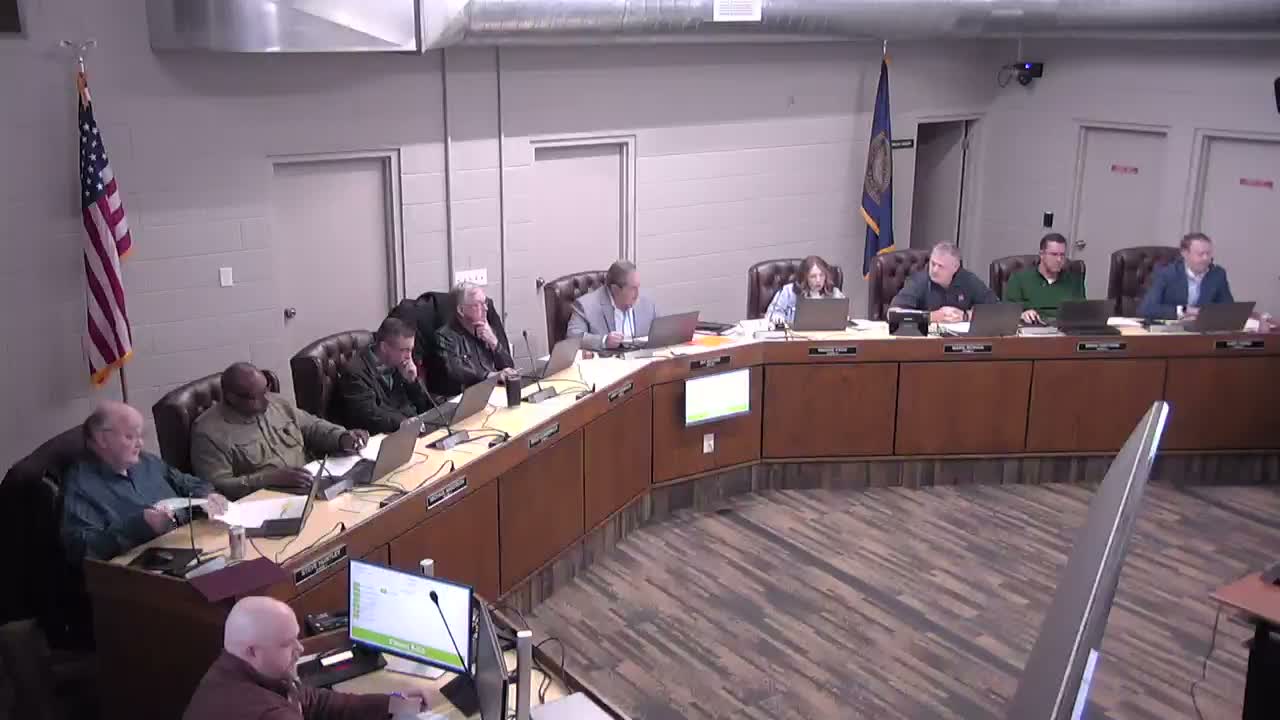
Michelle Beaver, director of the South Heartland District Health Department, presented a newly developed six-year Community Health Improvement Plan to the Hastings City Council, describing priorities and examples of strategies where the city could partner.
Beaver said the plan was developed with input from community members, organizations and agencies across Adams, Clay, Nuckolls and Webster counties and highlighted three priorities selected by those participants: mental well-being, chronic disease conditions and senior health. Key partners named in the presentation included the three hospitals that serve Adams County and United Way; Beaver said the plan was facilitated by the health department but built by community stakeholders.
For senior health, Beaver pointed to a transportation strategy: conducting transportation assessments by county to identify gaps and then pursue services that are affordable and reliable across the region. Under chronic disease, the plan recommends improving access to risk assessments and screenings, and staff suggested the city could support employee wellness policies and community prevention—things like walkable streets, trails and farmers markets.
Council members asked about the plan’s methods and reach; Beaver said data for the plan were gathered through surveys, focus groups and partner data and that staff did not remove items residents prioritized, though department staff added a few technical recommendations. Beaver supplied council members with a packet containing the full plan and asked the city administrator and council to consider partnership roles and next steps.
Why this matters: The plan provides a multi-county framework for health priorities that could guide local investments, cross-agency collaboration and targeted interventions over the next six years.
What’s next: Beaver encouraged the council to review the provided packet, consider how city departments (e.g., Parks and Rec, engineering) might participate and to provide feedback or sign up to assist with implementation.