Get Full Government Meeting Transcripts, Videos, & Alerts Forever!
Get email alerts on the Utility Policy topic
No spam. Unsubscribe anytime.
Albany utility staff present draft utility policy; board discusses emergency authority, outsourcing and data‑center prospects
Summary
City staff presented a draft administrative 'utility policy' intended to standardize service delivery, billing and disconnections. Board members agreed to review it before a March retreat, urged adding an emergency/extraordinary clause, and debated outsourcing, illegal-dumping response and possible data-center and solar opportunities.
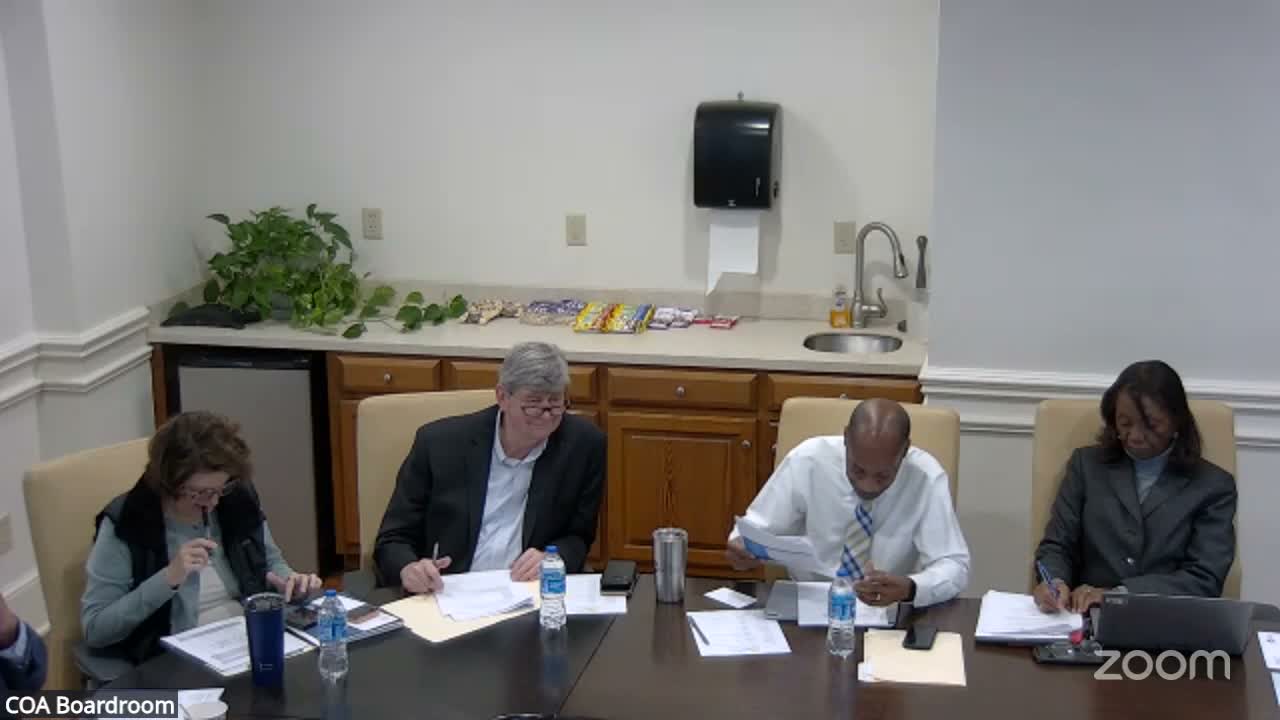
City of Albany staff on Jan. 22 presented a draft administrative services ‘‘utility policy’’ intended to create consistent standards for new service applications, billing, disconnection procedures, safety and customer service.
"The administrative services department utility policy ... establishes clear or consistent standards for the delivery of utility-related services," the administrative services presenter said, adding that staff reviewed peer-city policies and industry practices. The draft is framed as a living document the board should review before a planned retreat in March.
Board members asked staff to collect comments ahead of the retreat and to incorporate a timeline for revisions. One board member urged adding an explicit emergency or extraordinary clause to authorize the general manager to act on disconnects and other urgent matters during crises. "I feel like we need to have a ... emergency and extraordinary clause," Mr. Burley said, noting experiences during COVID prompted similar provisions in other utilities.
Discussion broadened to long-standing choices about outsourcing services such as vegetation management, street sweeping and certain facilities management. Board members described staffing challenges and aging equipment, and said these operational constraints have driven decisions to contract out some services. The mayor and others noted trade-offs between purchasing specialized equipment (for example, a knuckle‑boom truck) and relying on contractors.
Members also discussed service-delivery gaps—particularly illegal dumping and stormwater maintenance—and described a task force and deployment of trail cameras to identify violators. Staff said they are exploring master planning and funding strategies for stormwater and related capital needs.
On economic development, staff reported exploratory talks with potential data-center operators that might involve city ownership or management; the utility also has roughly 30 megawatts of excess capacity that could be relevant to those talks. Board members flagged both potential revenue opportunities and the need to protect long-term city interests. They also mentioned an opportunity to explore a solar farm on roughly 100 acres to capture excess generating capacity.
Operationally, the board raised concerns about recent billing delays tied to new software (Munis/Tyler Technologies). Staff agreed to evaluate compatibility and vendor performance and to report back with options if problems persist; board members said reliable, timely billing is critical to public trust.
Staff will compile board comments for discussion at the March retreat; no formal policy vote was taken at this meeting.