Get Full Government Meeting Transcripts, Videos, & Alerts Forever!
Bill would require insurers to explain reduced loss estimates after disasters; committee adopts $3,000 threshold
Summary
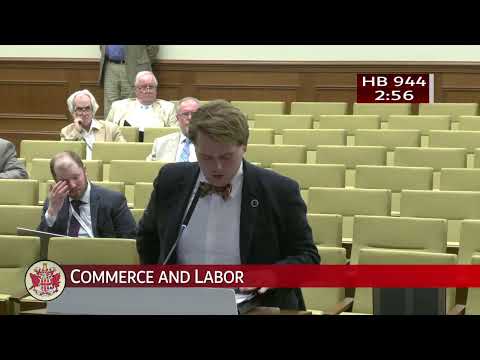
A Helmer-sponsored substitute would force insurers to disclose and justify downgrades to written loss estimates after property or vehicle damage; committee amended the substitute to trigger the requirement only when the reduction is $3,000 or more and moved the bill forward after mixed industry testimony.
Delegate Helmer told the committee the substitute clarifies when an insurer must disclose why a previously provided written loss estimate was reduced. "What this requires ' is that if you downgrade that estimate... they need to provide an explanation of why that changed," Helmer said, describing the bill as a consumer protection response to cases where initial adjuster estimates are later reduced without explanation.
Co…
Already have an account? Log in
Subscribe to keep reading
Unlock the rest of this article — and every article on Citizen Portal.
- Unlimited articles
- AI-powered breakdowns of topics, speakers, decisions, and budgets
- Instant alerts when your location has a new meeting
- Follow topics and more locations
- 1,000 AI Insights / month, plus AI Chat