Get Full Government Meeting Transcripts, Videos, & Alerts Forever!
Get email alerts on the Utilities Sewer Rates topic
No spam. Unsubscribe anytime.
Waukesha Board of Public Works recommends 2026 sewer rate increases to shore up capital and coverage
Summary
The Waukesha City Board of Public Works voted to recommend 2026 sanitary sewer rates to the Common Council, including a 4.51% increase to the non-return-flow portion and about a 12.5% increase to the return-flow charge to restore coverage and pay higher operating and monitoring costs.
The Waukesha City Board of Public Works voted to recommend new sanitary sewer rates for 2026 after a presentation from the finance director and the city’s rate consultant.
John Cameron, a consultant with Eller's, said the non-return-flow recommendation is a composite 4.51% increase for an average residential customer using 48,000 gallons annually. "The recommendation is for a 4.51% increase to the non return flow portion of the rate," Cameron said, noting the monthly fixed charge would rise from $6.88 to $7.22 and the volumetric rate from $10.48 to $10.94 per 1,000 gallons, equating to roughly a $2.20 monthly increase for the average user.
Finance Director Joe Shiro described the separate return-flow proposal, stating it "calls for just a little over 12.5 percent just for the return flow rate." Shiro told the board the larger return-flow increase is driven in part by an increase in operating and monitoring costs tied to state requirements; he said return-flow operating expenses rose by about $400,000 to more than $900,000.
Cameron walked the board through the utility’s cash flows: roughly $22.5 million in total revenue for 2026, roughly $8.8 million in operating and maintenance on the non-return-flow side, nearly $10 million in debt service and nearly $16 million in planned capital outlay that the utility intends to fund from cash rather than by borrowing in 2026. The five-year plan presented to the board anticipates no sewer rate increases in 2027 and 2030, with potential 4.5% increases in 2028 and 2029, a strategy intended to smooth impacts on customers while preserving the utility’s debt coverage.
Board members pressed staff on projected cash balances — a slide showed an increase toward $18 million by 2030 — and whether that projection included planned transfers to capital funds. Shiro acknowledged the display did not reflect intended transfers on that particular slide and said staff would follow up with more detailed cash-transfer information.
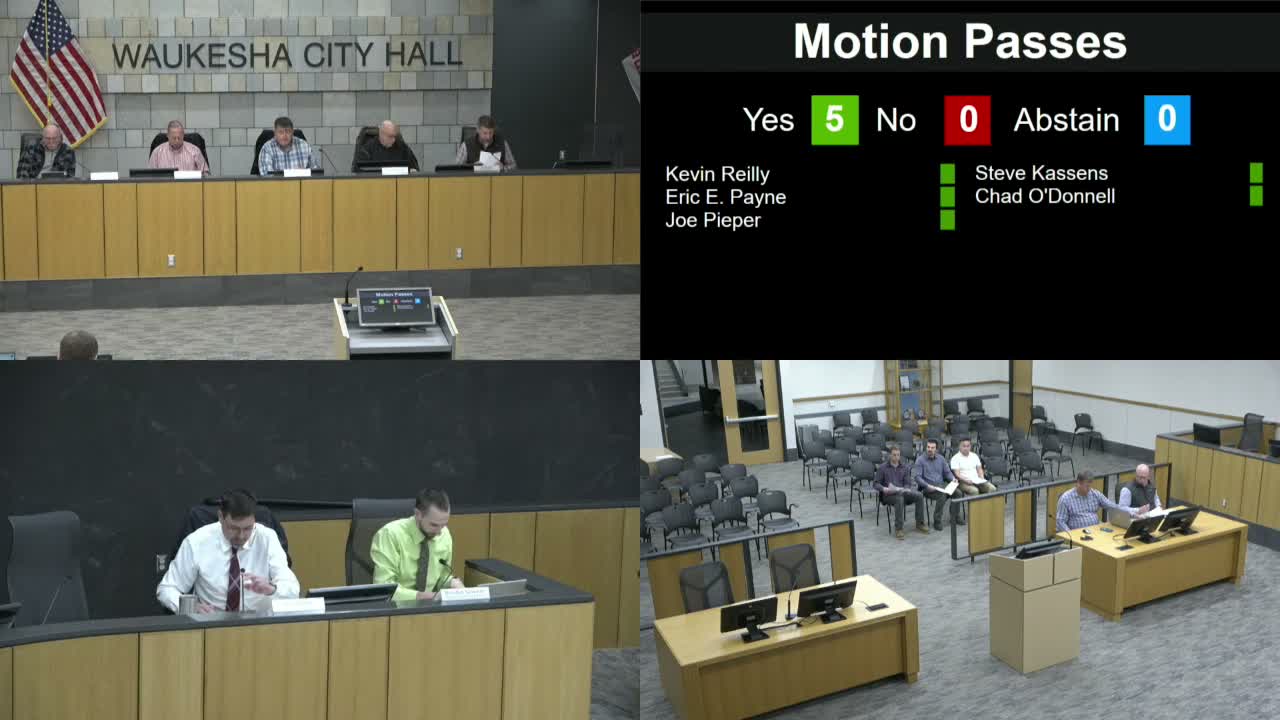
After discussion, a board member moved to accept and recommend the proposed rates to the Common Council; the motion was seconded and the board voted to forward the recommendation.
The board’s action is a recommendation; the Common Council will have final authority to set 2026 rates.