Get Full Government Meeting Transcripts, Videos, & Alerts Forever!
Expert: Decatur Island lacks structural firefighting resources; OPALCO to prepare fire mitigation plan
Summary
San Juan County testimony highlighted limited firefighting resources on Decatur Island, DNR responsibility for unprotected islands, and local brigades’ limited training and water supplies; OPALCO said it will prepare an operational fire mitigation plan and that DNR raised no comments on the application record.
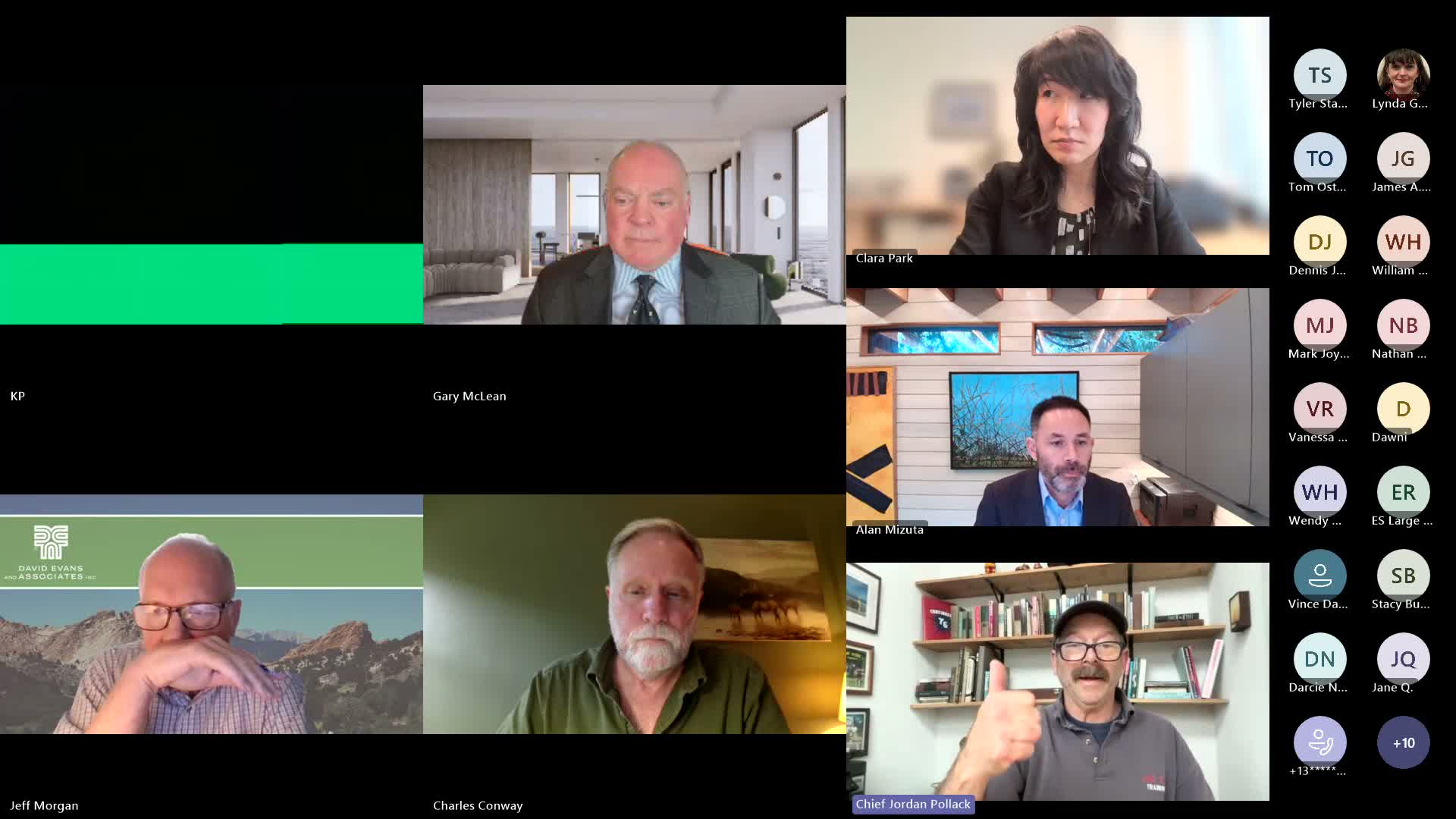
Jordan Pollock, a division chief with San Juan County Fire & Rescue who also consults on island wildfire training, told the hearing that Decatur Island is classified as "unprotected" under Washington State Department of Natural Resources (DNR) arrangements and does not have a local fire district or a hydrant system. Pollock said local volunteer brigades have limited training and water capacity and that off‑island assistance commonly exceeds an hour under ideal circumstances.
Pollock described Decatur’s response posture: county fire districts may respond via fireboat or sheriff…
Already have an account? Log in
Subscribe to keep reading
Unlock the rest of this article — and every article on Citizen Portal.
- Unlimited articles
- AI-powered breakdowns of topics, speakers, decisions, and budgets
- Instant alerts when your location has a new meeting
- Follow topics and more locations
- 1,000 AI Insights / month, plus AI Chat