Get Full Government Meeting Transcripts, Videos, & Alerts Forever!
Get email alerts on the Parks Capital Fund topic
No spam. Unsubscribe anytime.
Commissioner French urges flexible, strategic goals for Clallam County parks capital fund
Summary
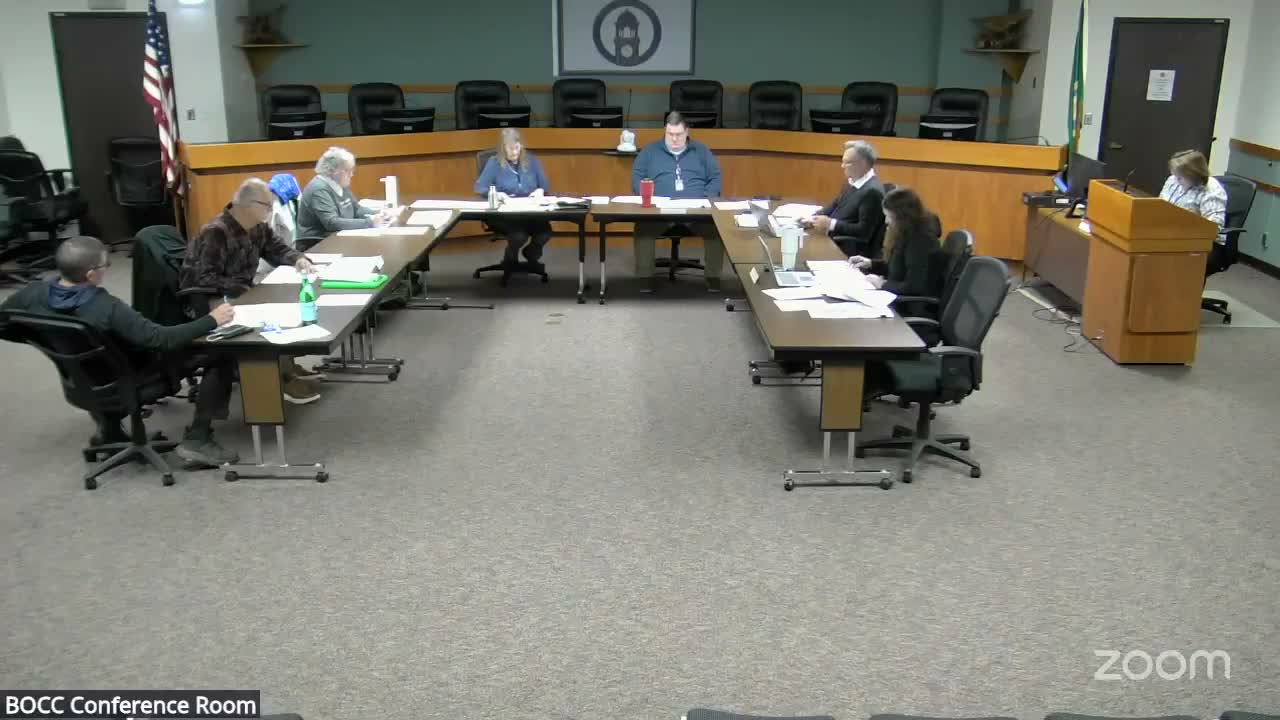
At a March 3, 2026 special meeting, Commissioner French reviewed county financial policies and led a discussion about goals for the Parks Capital Repair and Improvement Fund (seeded by $5 campground fees); the advisory board favored flexibility, asked staff for drafts and members to submit feedback.
Commissioner French told the Clallam County Parks Advisory Board at a special meeting on March 3, 2026, that recommendations on the Parks Capital Repair and Improvement Fund should align with county financial policy while remaining flexible enough to support strategic projects.
French, speaking to the advisory board and staff, cited the county financial policy and capital facilities guidance and said the board should emphasize long‑term savings and operating‑impact analysis when recommending capital projects. "When considering the priority and funding of each capital project, the county shall consider the operating impacts of the project," French said, urging members to highlight opportunities that lower ongoing operating costs.
The matters under discussion included the fund's origin, scope and intended uses. Staff explained the fund was seeded by campground revenue: "we designated $5 of every reservation fee to put into a fund that we can use to improve the camp and to improve the campers experience and increase revenue," a staff member said. Board members pressed whether that revenue source meant the fund should favor revenue‑generating parks; others argued the fund should be available to all county parks.
Board members debated two competing approaches: keep the fund broadly flexible to respond to strategic needs or define clearer eligibility so the public knows the intended uses. One member said the advisory board had not been told previously that the fee source came from reservations: "That was never conveyed to the advisory board," the committee member said, a point staff and the commissioner addressed by describing how the fund was developed with finance and the commissioners.
Discussion covered practical details: using the fund for small and medium projects that lack grant opportunities, reserving a portion of the balance for cash‑flow prudence (10% was suggested by several participants), and using money for architectural and engineering work or matching funds to make projects shovel‑ready for state grants. Rebecca Turner of finance described the existing process for capital planning, noting staff compiles recommendations for finance and the commissioners consider cash flow and fund restrictions before allocations.
No formal policy change or vote on fund eligibility occurred at the meeting. Commissioner French said he would collate members' comments and draft several potential goal statements for the board to review; he asked members to review the emailed materials and submit additional suggestions. The board adopted the February minutes earlier in the meeting and adjourned after a brief public comment from the Olympic Peninsula Disc Golf Association.
Next steps: staff will prepare draft goal statements based on the meeting discussion and Commissioner French's summary; board members will be asked to provide written feedback before the board considers formal recommendations to the Board of Commissioners.