
UN warns Gaza faces critical fuel shortfall as crossings remain mostly closed; UNCTAD flags Strait of Hormuz risks
Get AI-powered insights, summaries, and transcripts
Subscribe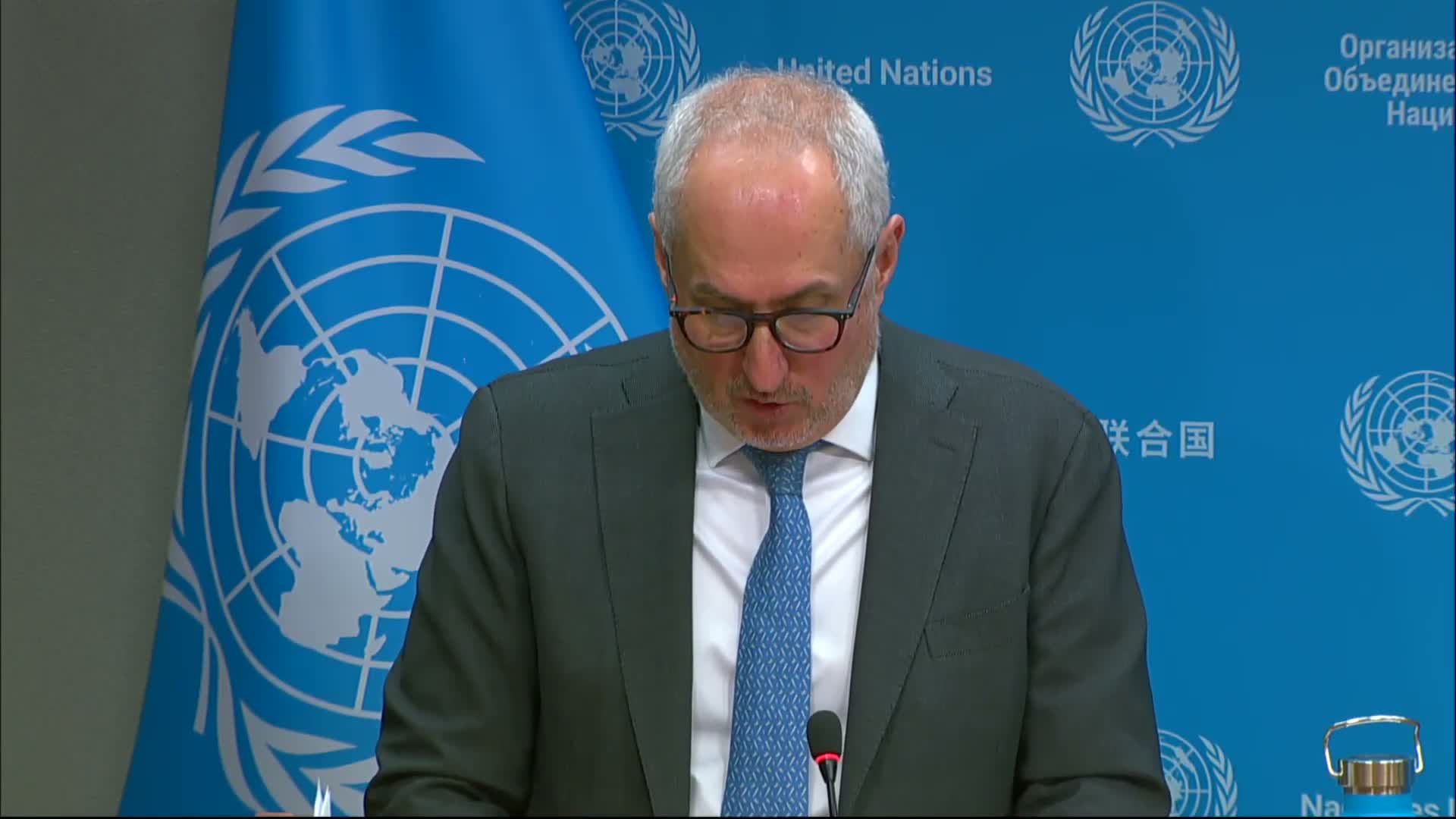
Summary
The United Nations said most Gaza crossings remain closed and fuel deliveries remain far short of weekly needs, while UNCTAD warned a closure of the Strait of Hormuz could sharply disrupt oil and fertilizer trade and raise food costs globally.
The United Nations said aid deliveries into Gaza remain constrained and that fuel supplies are insufficient to sustain vital services.
"All crossings except Karim Shalom, Abu Salim, are still closed, impeding our ability and the ability of our humanitarian partners to bring in sufficient supplies and deliver them efficiently to people in immense need," Steph said.
Operational numbers: Steph said UN partners delivered more than 427,000 liters of fuel into Gaza on Sunday, bringing the total since Tuesday to about 1,400,000 liters, while noting the system requires more than 2,000,000 liters per week to avoid interruptions to health care, water and sanitation services.
Water and sanitation: Steph reported that the Mikrohet pipeline supplying water to Gaza City was reportedly repaired and tested by an Israeli contractor and that water trucking remains an expensive but necessary backup. She said operations to remove solid waste from the Furos Market site have moved roughly 3,000 cubic meters out of some 350,000 cubic meters accumulated since Feb. 10 but that pace is below planned levels due to fuel and security constraints.
Regional risk to trade: On economic risks, Steph relayed a UNCTAD analysis saying the Strait of Hormuz remains a critical maritime checkpoint, carrying about a quarter of seaborne oil and roughly one‑third of global fertilizer trade (about 16,000,000 tons annually). According to UNCTAD, ship traffic through the strait dropped by roughly 97% since Feb. 28; the agency warned higher energy, fertilizer and transport costs could drive up food prices and intensify cost‑of‑living pressures for vulnerable people.
UNIFIL and Lebanon: Steph also summarized recent UNIFIL activity in southern Lebanon, including facilitating the safe movement of about 80 civilians at a municipality's request and reporting a mortar impact near a UNIFIL position with no injuries reported; the origin of the impact remained undetermined.
What comes next: The spokesperson said UN agencies continue to scale up assistance where possible but that access, fuel and funding shortfalls remain major constraints.