
Judge pitches 100‑bed regional recovery campus for Halifax County
Get AI-powered insights, summaries, and transcripts
Subscribe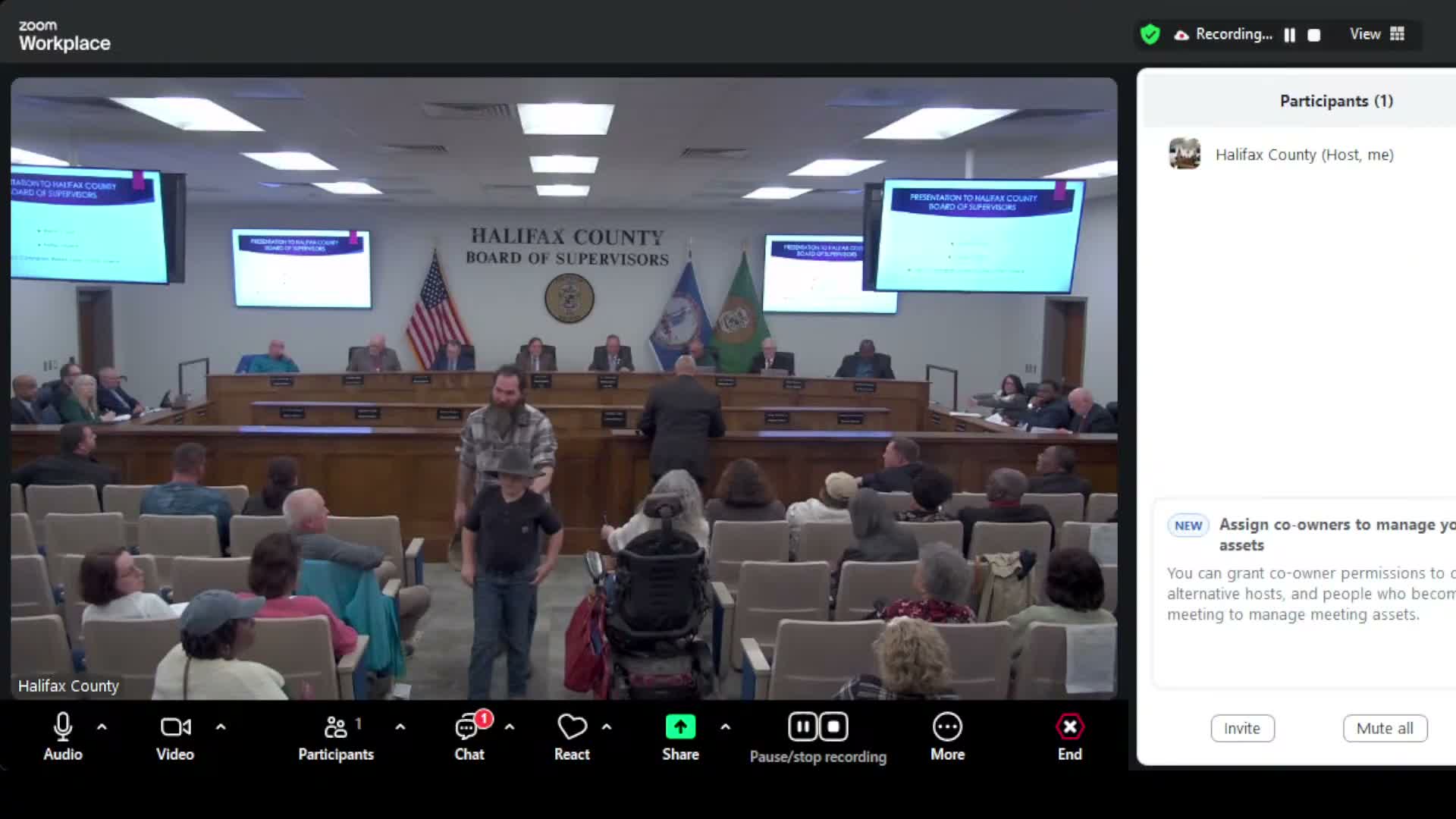
Summary
Judge Joel Cunningham told supervisors a 100‑bed residential recovery center and 32 step‑up apartments on a 50‑acre site would serve South Central Virginia, cut incarceration costs and reduce recidivism, while offering workforce training and clinical services. He asked the board to support the regional project and consider potential partnerships.
Judge Joel Cunningham proposed creating a 100‑bed residential recovery center and 32 step‑up apartments on a roughly 50‑acre tract near Westside Village in Halifax County, saying the facility would serve South Central Virginia and help reduce incarceration and overdoses.
"This will be for women and men," Cunningham told the board during a March 2 presentation. He said the center would not serve violent offenders but would accept people who otherwise could be jailed for nonviolent, drug‑related offenses. The plan includes on‑site counseling, clinical care, random drug testing, workforce development training and a later stage of independent apartments for graduates of the program.
Cunningham cited cost comparisons his team used: the county's current daily incarceration cost for one person at about $120.69 versus an estimated $57 per day for a bed in the proposed recovery program. He said that difference, combined with savings from lower recidivism and reduced health‑care and criminal‑justice costs, produces large projected returns over time.
"We get 60 percent of our people in recovery," Cunningham said, describing outcomes in local recovery court programs. "Seventy‑four percent of graduates do not recidivate." He added that the facility would focus on holistic supports, including dental care and workforce readiness, to sustain long‑term recovery.
Supporters and the presenter framed the center as a regional resource: Cunningham said several neighboring counties had provided letters of support, and he asked the board to consider the project as an economic and public‑health investment. He also said his group had engaged a consulting firm that modeled expected savings and return on investment.
The board did not take a formal vote or commit funding during the March 2 meeting. Supervisors asked clarifying questions about the facility's location, security and the types of participants it would accept. Cunningham said the site would be screened with vegetation, would be fenced as appropriate and that the program aims to be a safe campus.
Next steps: Cunningham told the board he would continue outreach with county leaders and partner counties; the proposal will require further staff analysis, discussion of any contractual arrangements or land use approvals, and potential budget implications before the board can make a funding or zoning decision.