Get Full Government Meeting Transcripts, Videos, & Alerts Forever!
PSC certifies annual fuel and management audits for Mississippi Power and Entergy Mississippi
Summary
The commission certified fiscal-year audits for Mississippi Power and Entergy Mississippi to the legislature, receiving clean opinions and a set of recommendations from contract auditors; commissioners discussed fuel mix, generation and the potential rate impacts of large industrial customers.
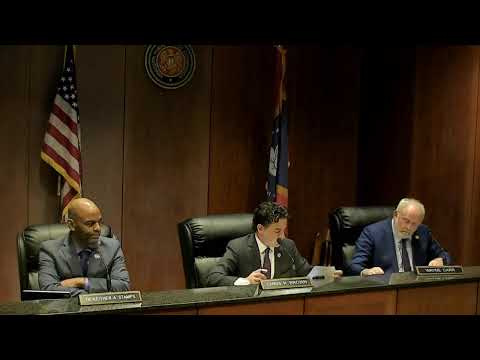
The Public Service Commission certified the annual financial and management fuel audits for Mississippi Power and Entergy Mississippi and will forward those certifications to the state legislature as required by statute.
Will Crawford of Forbus presented Mississippi Power's fuel audit and reported an unmodified (clean) opinion, saying "the information that we have audited matches dollar for dollar the information that has been previously filed with the commission." He reported no findings or recommended changes and described site visits and tests of controls used in…
Already have an account? Log in
Subscribe to keep reading
Unlock the rest of this article — and every article on Citizen Portal.
- Unlimited articles
- AI-powered breakdowns of topics, speakers, decisions, and budgets
- Instant alerts when your location has a new meeting
- Follow topics and more locations
- 1,000 AI Insights / month, plus AI Chat