Get Full Government Meeting Transcripts, Videos, & Alerts Forever!
Get email alerts on the Impact Fees topic
No spam. Unsubscribe anytime.
Council affirms impact-fee administrator’s denial but directs staff to negotiate reimbursement
Summary
After a quasi-judicial hearing, the Idaho Falls City Council upheld the administrator’s denial of transportation-impact credits for developer work on Skyline Drive, granted a demolition-related prior-use credit, and directed staff to pursue an informal reimbursement process based on submitted contractor bids.
The Idaho Falls City Council on Dec. 2 affirmed the impact-fee administrator’s decision to deny a developer request for credit or reimbursement related to widening Skyline Drive, but instructed staff to negotiate an informal reimbursement offer as outlined in the administrator’s Nov. 6 letter.
Appellants Erin Bingham and Eric Reed, representing Barnwood Townhomes and Terrace Gate Condominiums, told the council they had been asked during the planning process to widen Skyline Drive from an 80-foot to a 100-foot cross section, dedicating right-of-way and incurring roadway construction costs (appellants provided a contractor bid summary showing a roadway construction subtotal of $328,212.50). They said they paid impact fees while proceeding with construction and expected either reimbursement or an impact-fee credit for the excess work and land dedication.
City impact-fee administrator Pamela Alexander told the council the administrator denied the requested system-improvement credits because the city’s impact-fee ordinance requires a written agreement specifying the amount of any credit or reimbursement before commencement of the construction work and because the appellant paid impact fees without filing those payments "under protest." Alexander said staff nonetheless offered an informal resolution: if the developer provided required documentation and three competitive bids for the listed work, staff would consider reimbursing clearly identified line items within determinations consistent with public procurement and statute.
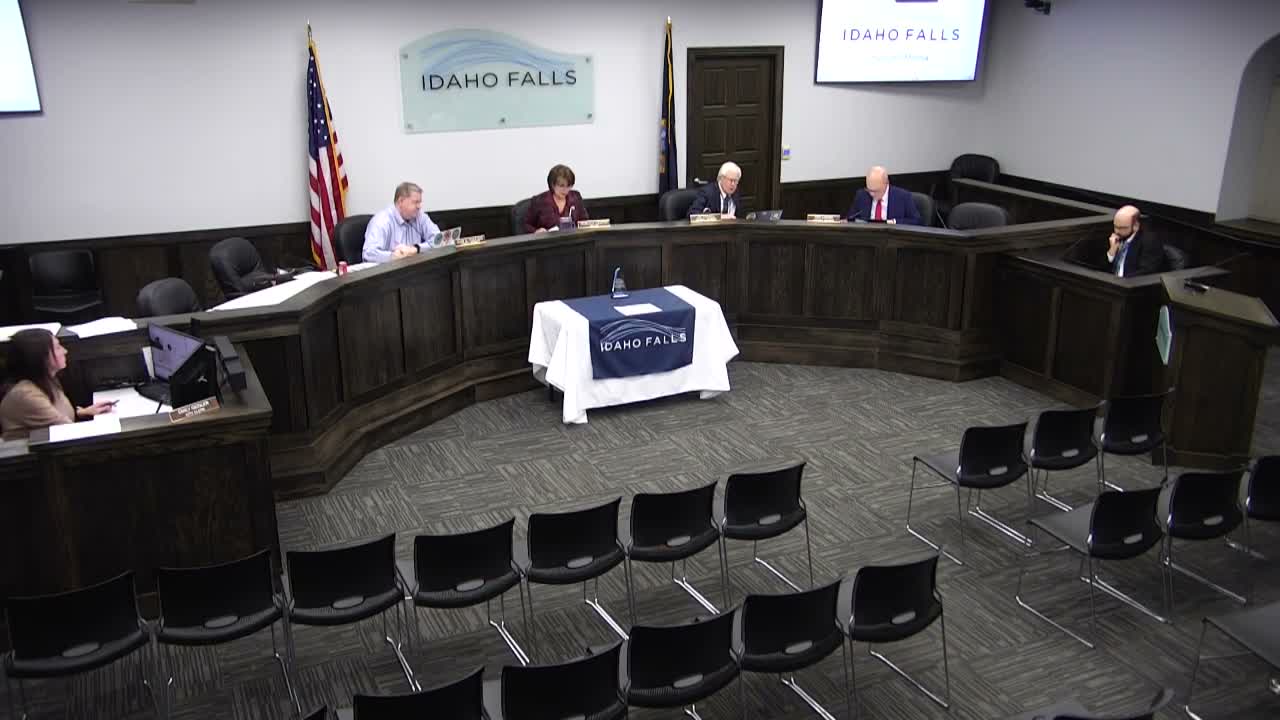
Council action: After hearing testimony from the appellants, public-works staff and city legal counsel, the council voted to uphold the administrator’s determination while directing staff to pursue the informal resolution described in the administrator’s Nov. 6 letter. The council also granted the prior-use exemption for a demolished single-family residence that had been included in the appeal (the administrator had already identified that specific credit as allowable). Councilors emphasized the decision was rooted in ordinance requirements but expressed willingness to negotiate a fair settlement where documentation allowed.
Why it matters: The case illustrates the city’s procedural requirements for impact-fee credits and reimbursements — written, pre-construction agreements and competitive-bid documentation — and shows council willingness to use its discretion to negotiate a substantive settlement when applicants provide post-hoc bids and documentation.
Next steps: Council directed city legal and finance staff to draft a written reason statement explaining the council’s decision and to return a formal decision document to council at a future meeting; staff also was directed to pursue the informal reimbursement steps listed in the impact-fee administrator’s response.