Get Full Government Meeting Transcripts, Videos, & Alerts Forever!
Get email alerts on the Annexation topic
No spam. Unsubscribe anytime.
Oro Valley council makes annexation the top strategic priority; staff to return water and cost analyses
Summary
Council members prioritized annexation work and asked staff for water-supply findings, boundary maps and cost-benefit studies ahead of a March study session to determine feasible annexation scenarios and fiscal impacts.
Council members at a Jan. 21 strategic retreat put annexation planning at the top of Oro Valley’s agenda and asked staff to return with detailed technical analyses at a March study session.
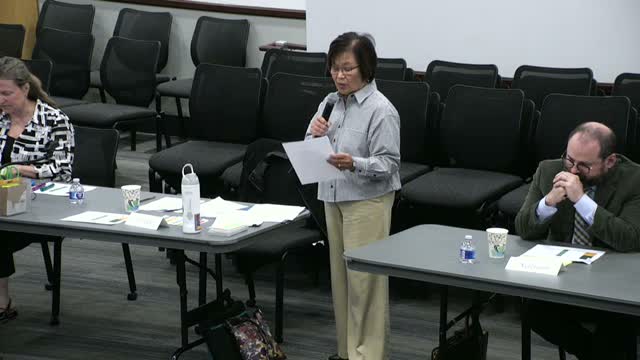
Mayor Joe Winfield opened the session by framing the retreat as a chance to “step back and think carefully about the future of Oro Valley,” and staff and a contracted facilitator summarized four topics flagged in pre-session interviews. Annexation consistently emerged as the highest-priority item, and council members pressed staff for specific evidence to guide decisions.
Peter Abraham, the town’s water utility director, told the council that a key piece of the puzzle — reduced Colorado River allocations that affect future supply — should be clearer by Feb. 14. “February 14, we should be given a good idea of what kind of reductions Arizona can expect,” Abraham said, linking water availability directly to annexation feasibility.
Council members asked staff to bring three kinds of material to the March session: boundary and scenario maps that show proposed footprints and what would be included, cost-benefit analyses showing the town’s short- and long-term service costs (police, fire, roads, utilities) versus tax and fee revenue, and an inventory of legal or statutory constraints that would shape negotiated annexations. Staff said they would prepare exhibits and preliminary revenue estimates and that police and public-works data would be part of the package.
Council members also discussed different potential annexation targets mentioned at the retreat — commercial corridors and retail clusters that could materially change the town’s fiscal picture — and asked for more outreach and information about property owners’ positions. Staff cautioned that some parcels are held by out-of-state investors and said any incentive structure must respect state gift-clause restrictions; the town attorney will prepare a legal brief on that point.
What happens next: staff will prepare maps, water-supply updates, revenue estimates and policing/street-infrastructure cost estimates for a March 2 follow-up study session. That presentation will shape council direction on which annexation scenarios to pursue and what outreach the town will undertake.