Get Full Government Meeting Transcripts, Videos, & Alerts Forever!
Get email alerts on the Greenbelt Ordinance topic
No spam. Unsubscribe anytime.
York County begins multi‑meeting review of landscape and green‑belt rules
Summary
Planning staff presented a high-level review of Article 2, Division 4 (landscape regulations adopted in 1995), prompting supervisors to flag enforcement gaps, credit rules that may encourage tree removal, and proposals to tighten planting-size and shrub-vs-tree ratios.
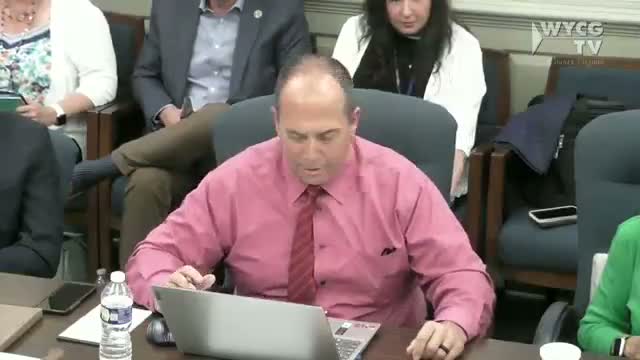
Planning staff led the Board of Supervisors through a detailed, multi-hour review of York County's landscape and green-belt regulations on Aug. 6, focusing on Article 2, Division 4 of the county zoning ordinance (adopted in 1995).
Staff said the code's intent is to control erosion, protect water, screen noise and dust, preserve natural resources and enhance the built environment. The presentation covered required landscape-plan content, species lists in the ordinance appendix, planting ratios, minimum planting requirements for yards and parking lots, and the landscape credit unit system that gives greater credit to larger-caliper and mature trees.
Several supervisors raised enforcement and maintenance concerns: they said approved landscape plans often are not implemented or maintained and cited places where fencing and plantings have deteriorated after approval. Board members also questioned whether the credit system unintentionally incentivizes removing large, mature trees and replacing them with many small-caliper saplings that provide little near-term screening. "You cut down a 24-inch tree and you end up buying about x number of trees," one supervisor said, urging clearer replacement rules and stronger enforcement.
Staff reviewed transitional buffers (25-, 35- and 50-foot widths) that protect less-intense uses from more-intense uses, explained shared-buffer maintenance options and noted cluster-subdivision rules that will be addressed separately. They also flagged language problems that make green-belt minimums difficult to administer and suggested tightening the allowance that currently permits a high percentage of credit from small shrubs in some buffers.
The board did not vote on changes; members directed staff to return with follow-up materials and recommended deeper analysis of specific subsections (planting-size standards, replacement-credit calculations, and enforceability). Staff said they would schedule additional meetings to work through particular sections and possible ordinance amendments.