
Committee lays over bill to increase penalties for thefts targeting vulnerable adults
Get AI-powered insights, summaries, and transcripts
Subscribe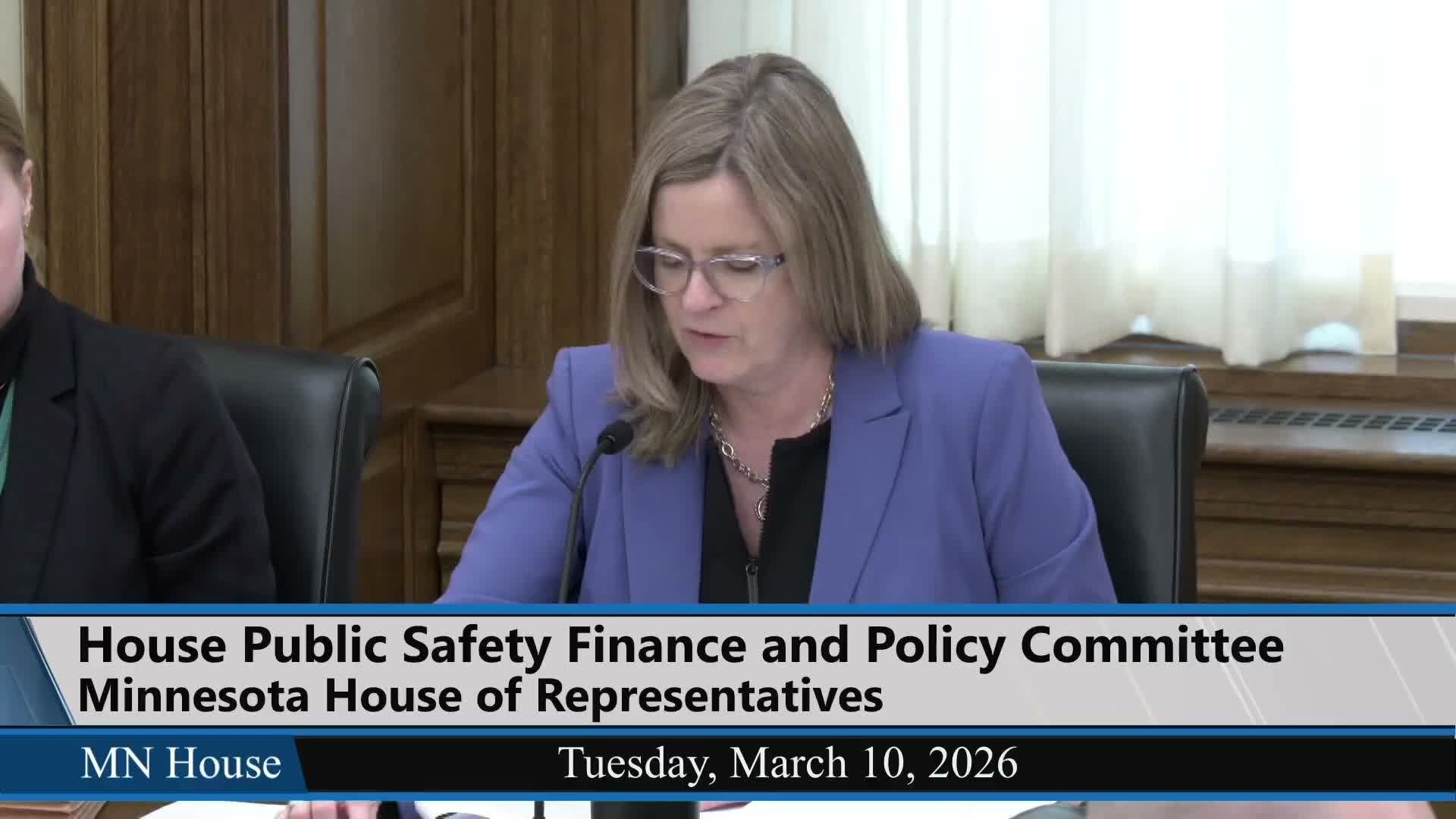
Summary
Representative Liebling told the committee a constituent’s adult son accessed a mother’s phone and stole about $46,000; she said current financial‑exploitation law requires a fiduciary duty and can leave cases charged only as theft, and her bill would increase penalties when an actor knows the victim is a vulnerable adult. The committee laid the bill over.
Representative Liebling introduced legislation aimed at giving prosecutors an option to reflect the seriousness of financial crimes against vulnerable adults.
Liebling said a constituent’s partner, who had dementia, had about $46,000 taken from her after an adult son accessed her bank account through her phone. Although the county attorney initially said the matter could be charged as financial exploitation of a vulnerable adult, Liebling told the committee it ultimately did not meet the statutory elements because that crime requires a fiduciary duty. “It increases the available penalty when the actor knows that the victim is a vulnerable adult,” Liebling said, arguing the change would let prosecutors pursue a charge that better reflects the conduct in cases where defendants knowingly take advantage of someone’s vulnerability.
Members from both parties expressed support and noted enforcement and data concerns. Representative Curran, who works with people with developmental disabilities, said the bill closes a gap that can prevent people who steal from vulnerable adults from later working with such populations. Representative Pinto and others said the change reflects longstanding policy concerns about protecting elders and improving charging options.
The author thanked the Minnesota County Attorneys Association and a local county attorney for their feedback. The committee moved to lay over (table) House File 3465 for further consideration rather than take final action.
What happens next: the bill was laid over for further work and was not acted on for final referral at this hearing.