Glendora board approves second interim budget report as enrollment decline drives projected deficits

Glendora Unified Board of Education · March 10, 2026

Get AI-powered insights, summaries, and transcripts

Subscribe
AI-Generated Content: All content on this page was generated by AI to highlight key points from the meeting. For complete details and context, we recommend watching the full video. so we can fix them.

Summary

Trustees certified the district's second interim report on March 9, approving projections that show a multi-year erosion in reserves tied to declining enrollment and rising special-education costs; the board also passed several consent items totaling about $10.2 million.

The Glendora Unified Board of Education on March 9 approved the district's second interim financial report, hearing that declining enrollment and higher special-education costs are producing a projected multi-year deficit.

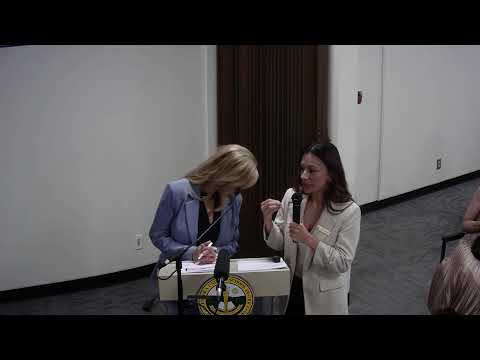
Board members voted to certify the 2025-26 second interim report after a presentation by district fiscal staff that warned the district faces constrained revenue and rising personnel costs. "Personnel costs represent over 85 percent of our general fund budget," Araceli Medina, the district's director of fiscal services, told trustees during the presentation.

Why it matters: The second interim report is a twice-yearly required financial snapshot. The presenters said a combination of modest reductions in state cost-of-living adjustments (COLA), lower transportation reimbursements and increased special-education contributions push the district's current-year deficit to roughly $3.8 million under the report's assumptions and leave projected ending unrestricted fund balances of about $13.6 million for 2025-26, $10.6 million for 2026-27 and $8.3 million for 2027-28.

Waltzak, who opened the budget segment, said the district had adjusted revenue estimates downward by roughly $117,000 for home-to-school transportation and projected an increased district contribution to special revenue of about $544,000 to cover higher special-education staffing and services. Medina added that CalPERS rate projections dipped slightly, but the compound effect of reduced COLA assumptions lowers LCFF revenue in the two out years.

Trustees asked for detail on the special-education increase and on whether state-level changes could offset pressures. Medina said the rise reflects both higher staffing and growing numbers of students requiring services; she said some state adjustments to AB602 allocations provided only a small increase and that SELPA advocacy continues at the state level. "There isn't anything substantial being discussed now beyond LCFF calculation talks," she said.

The board's discussion also noted the district's reserve policy: trustees maintain a 3 percent required reserve plus an additional board-designated 3 percent. "We are certifying this second interim as positive," a presenter said, noting the ending fund balance remains above the required reserves under the current assumptions.

Votes at a glance: - Second interim report (Item 6.2): motion moved by Vice President Lopez; motion carried by voice vote (unanimous). Outcome: approved. - Resolution 25-26-10 recognizing March as National Nutrition Month (Item 6.1): approved by unanimous voice vote. - Consent calendar (Items 8.1'11.2): approved by voice vote; total transactions reported at about $10.2 million.

Board members and staff said the district will continue monitoring enrollment, finalize P-2 ADA reporting in April and incorporate the governor's May revise to refine 2026-27 projections. Trustees indicated they will present a budget reduction/stabilization plan for further board consideration as needed.

The board approved the interim report and then moved on to approve the consent calendar before adjourning at 7:44 p.m.