Get Full Government Meeting Transcripts, Videos, & Alerts Forever!
Get email alerts on the Parking Fees topic
No spam. Unsubscribe anytime.
Duarte residents tell council $5 overnight parking will squeeze low‑income households
Summary
Residents and public commenters urged the Duarte City Council to reconsider a planned jump from $1 to $5 for overnight parking, calling the increase regressive and pointing to a temporary enforcement suspension through Feb. 28 and a scheduled Feb. 24 resolution to phase the fee in quarterly.
Residents pressed the Duarte City Council on the financial impact of a recently approved overnight parking fee increase, saying the jump from $1 to $5 per night would be a recurring burden for many households.
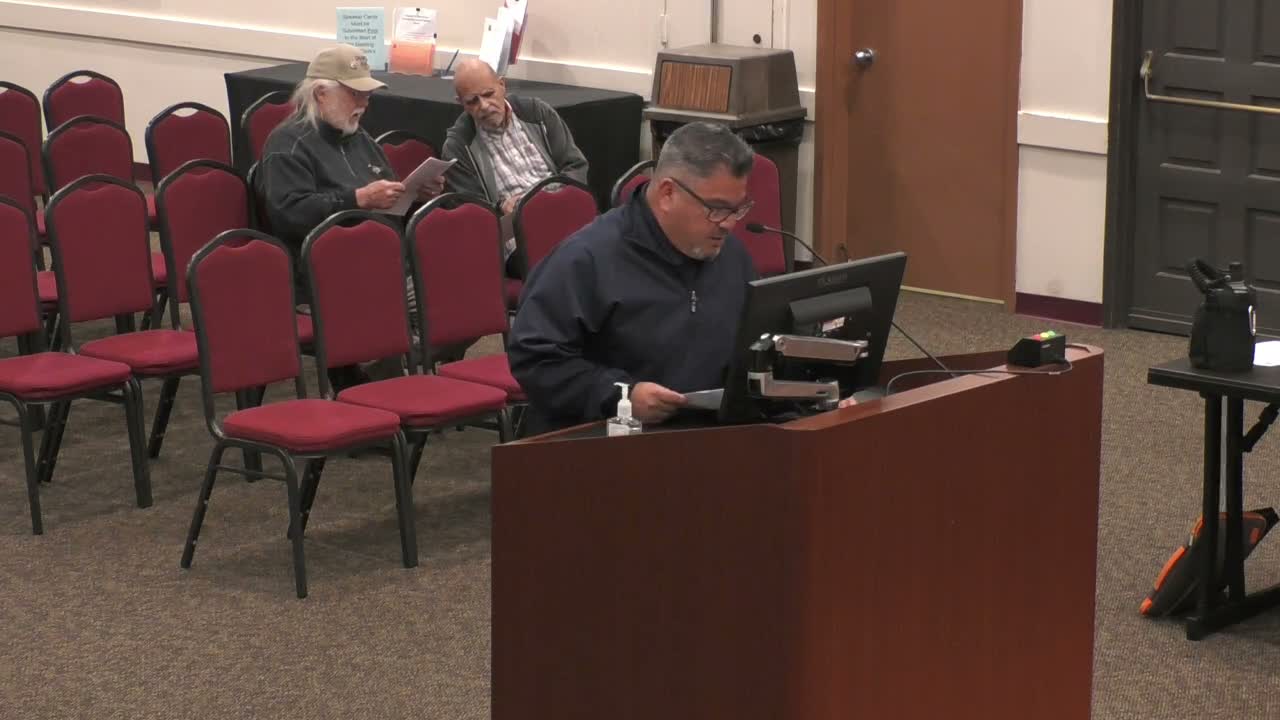
Resident David Villegas told the council he appreciates the enforcement grace period through Feb. 28 but said the fee change remains harmful: "The increase from a dollar to $5 overnight parking ... isn't just an adjustment, it's a financial burden for many of the residents," he said, adding that a single car at $5 a night could amount to about $1,825 a year for a household.
Claudia Trefker, who said she has lived in Duarte since 1979 and swims regularly, echoed the concern and criticized a perception of unequal treatment: "To charge $5 to park and you pay property taxes on your own street is beyond ludicrous," she said, adding that many longtime residents now face higher out‑of‑pocket costs for usual city services.
City staff signaled limited near‑term relief. Assistant to the City Manager Andres Rangel announced that overnight parking enforcement would be suspended through Sunday, Feb. 28, and that staff would introduce a resolution at the Feb. 24 council meeting to "gradually increase the fee on a quarterly basis," giving the council a formal opportunity to adjust timing or structure.
Council members asked staff for more detail on how fees would be implemented and whether capped or family‑sensitive options were possible; staff said they are preparing presentations with those specifics. Several council members framed the fee discussion in the context of broader revenue challenges — noting that some current revenue gains are one‑time development receipts — and said they wanted to balance service preservation with residents' ability to pay.
The council did not take a final vote on changes at this meeting; staff will return with the proposed resolution and additional details at the Feb. 24 meeting.