
Lawmakers press PennDOT on transit funding and a looming shared-ride cliff
Get AI-powered insights, summaries, and transcripts
Subscribe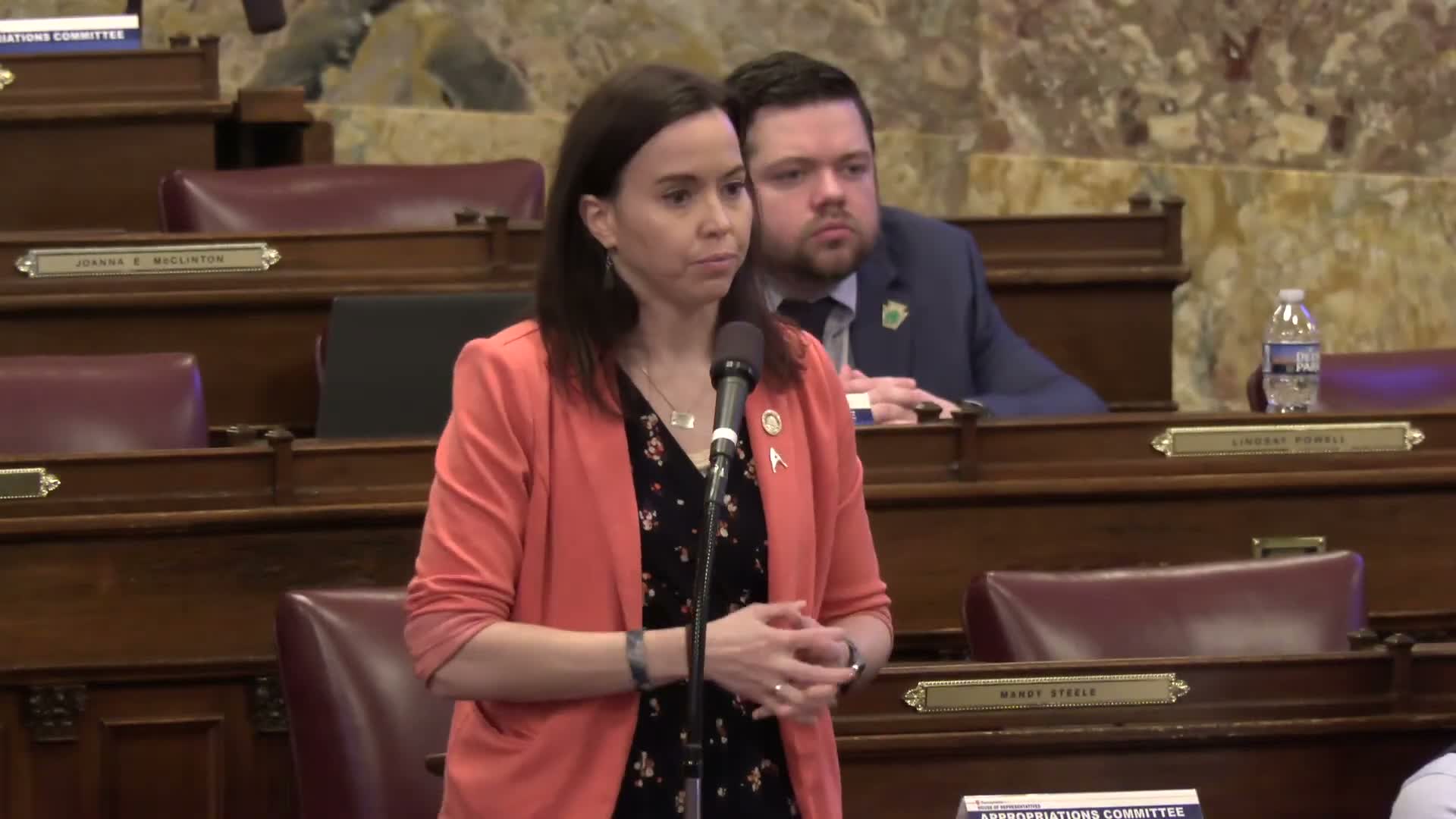
Summary
At an appropriations hearing, PennDOT said a proposed 1.75% sales-tax carve-out would generate roughly $300 million annually for transit; agency officials warned the shared-ride program (about 4.9 million rides in FY24/25) faces affordability pressures and will need increased state support or a new reimbursement model.
Lawmakers used PennDOT's budget hearing to press the administration on long-term transit financing and warning signs in the state's shared-ride program.
"The governor's proposal of a carve out of an additional 1.75% sales tax... would have generated the $300,000,000 annually that would have been shared among all transit agencies in the state," Secretary Carroll said, explaining the administration's rationale for the proposed transfer to the Public Transportation Trust Fund.
Meredith, PennDOT's deputy for multimodal programs, told the committee the shared-ride program delivered approximately 4.9 million rides in fiscal year 24/25 and that maintaining low fares for seniors depends on increasing the state's contribution. She said officials plan a phase 2 study to examine alternative funding models to the current per-trip reimbursement structure so agencies are not burdened by overhead costs that drive fares higher.
Members also discussed one-time regulatory waivers that allowed major transit agencies to convert capital funding to operating assistance. Meredith said SEPTA requested $394 million in waivers (anticipated use about $100 million) and Pittsburgh Regional Transit requested $106 million (anticipated use about $90 million); both waivers are one-time, she said, and projects deferred by the waivers are not safety-related but will be pushed into later fiscal years.
Why it matters: PennDOT said some transit systems are at risk of service cuts if additional funding is not agreed upon. Representative Guzman told the committee operators in her district and elsewhere expect day-one service reductions if the sales-tax carve-out is not enacted; PennDOT described the proposal as a necessary supplement, not a replacement for other revenue options.
What happens next: The governor's sales-tax carve-out proposal would take effect in June 2027 if enacted. PennDOT said it will continue to hold operating reserves and work with transit agencies on grant commitments, while the committee and legislature weigh whether to adopt a carve-out or other options such as public-private partnerships, alternative revenue sources, or program changes.