Get Full Government Meeting Transcripts, Videos, & Alerts Forever!
Get email alerts on the Microtransit topic
No spam. Unsubscribe anytime.
GIFT microtransit reports record months and growing ridership; council discusses expansion options
Summary
GIFT (microtransit) staff told the council the service logged four consecutive record months after a new vehicle arrival, reported about 330,000 lifetime rides and highlighted equity uses (medical trips, seniors); council asked about regional expansion, fleet maintenance and potential shift to fixed routes.
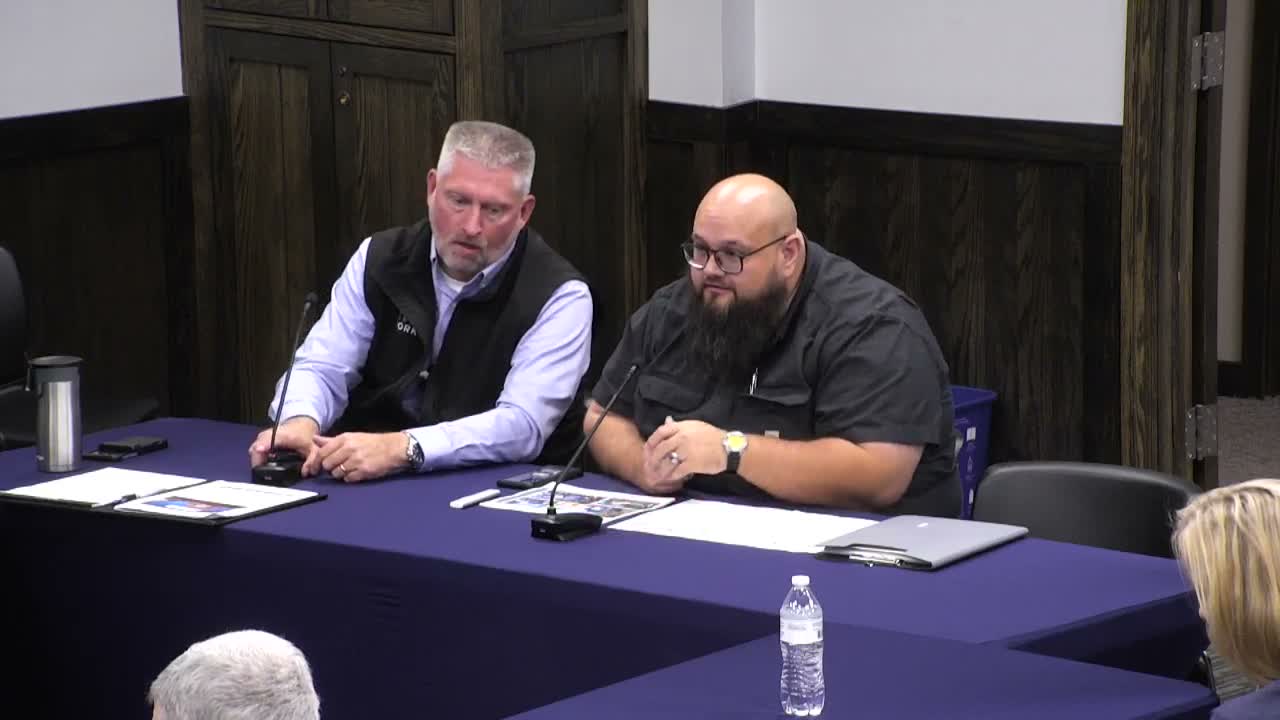
Keith Marcus, the transit coordinator presenting for the GIFT microtransit program, said the city’s on‑demand service has shown “four record breaking months in a row” since the addition of a new Turtle Top cutaway vehicle and that the system is nearing 101,000 rides per year in optimistic scenarios. “Right now, we are, we're sitting at about 330-ish thousand rides lifetime,” Marcus said, and added that the service averages roughly 4.9 stars in app reviews.
Marcus walked councilors through user testimonials (a video produced by the Idaho Transportation Department), noting the importance of the service to riders with mobility impairments and those who are housebound when fixed-route transit is unavailable. Video contributors and presenters described how the service supports medical appointments, work trips and family travel; fares in the presentation were described in the $2 to $7 range.
Operational details included a mixed-ownership fleet (some vehicles owned by the contractor, some by the city) and contracting arrangements that place most maintenance responsibility with the contractor. Marcus said the agency is deploying data and GIS dashboards to track demand and identify high‑use hexagon blocks across the city; about 25% of rides are scheduled and about half of scheduled rides are booked same-day, he said, which shaped staffing and reliability considerations.
Councilors asked about extending service to neighboring jurisdictions (Ammon, Rexburg, Salmon). Marcus said previous service had covered broader areas under different contract arrangements and that expansion would require demand analysis, interlocal agreements and possibly voter or county-level approvals in some cases. He also discussed maintenance logistics, fueling access and upcoming vehicle purchases funded by carbon-reduction grants expected in spring 2026.
Councilors and staff praised the program’s economic benefit (riders spending locally) and its role in reducing vehicle miles traveled. Several councilors asked for a future briefing on the costs and infrastructure needed to move from microtransit to fixed-route service, including capital needs such as maintenance facilities and larger buses.
The council thanked the presenters and moved to the next agenda item.