Lifetime Citizen Portal Access — AI Briefings, Alerts & Unlimited Follows
Abilene approves $342,000 emergency contract after Nov. sewer overflow; bypass pumping stopped discharge to Cedar Creek
Loading...
Summary
City officials described a complex obstruction in a 36-inch sewer line that required multi-stage bypass pumping and excavation; council approved a $342,000 emergency contract for HDPE bypass piping, pumps, fittings and 24/7 monitoring, and regulators accepted the city's remediation.
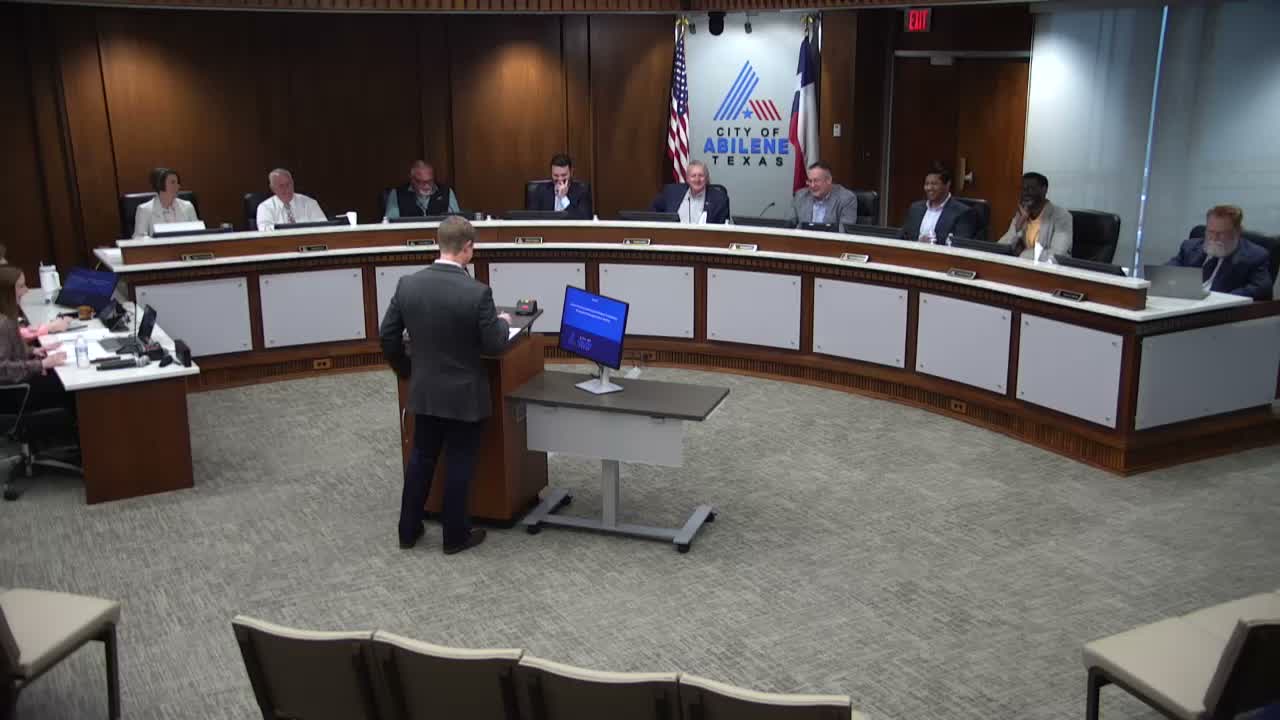
The Abilene City Council on Feb. 12 approved a $342,000 emergency contract to address a November sewer overflow that discharged into Cedar Creek. Matthew Dane, director of water utilities, described a large obstruction and heavy sediment in a 36-inch gravity sewer run under the creek that prevented standard cleaning and required staged bypass pumping from multiple sites.
Dane said crews attempted standard jetting and camera inspection but the line's unusual bend and heavy sediment caused camera equipment to get stuck and prevented a downstream approach. City crews and contracted pump vendors installed successive bypass configurations, including a 600-foot HDPE bypass and a later larger bypass that routed flow across the trailway and back to the receiving manhole. United Rentals and other vendors provided pumps and staffed the bypass around the clock during the emergency.
"We had to mobilize gear from across the state and run 24/7 crews to keep the bypass pumping and stop the creek discharge," Dane said, describing how crews eventually recovered a manhole lid and ring and removed large amounts of sediment. The contract covers roughly 1,600 feet of HDPE piping, valves, fittings, pumps and continuous flow monitoring through Dec. 19, the period staff documented remediation measures.
State regulators issued a notice of violation because of the overflow, but Dane said monitoring showed dissolved oxygen levels stayed high and TCEQ accepted the city's remediation and data without further penalty.
Council approved the emergency contract by voice vote; staff said after-action reviews will consider longer-term equipment or staging needs to respond to future rare but high-impact failures.