
Planning commission backs trust-fund UDC changes, forwards impact-fee item to City Council
Get AI-powered insights, summaries, and transcripts
Subscribe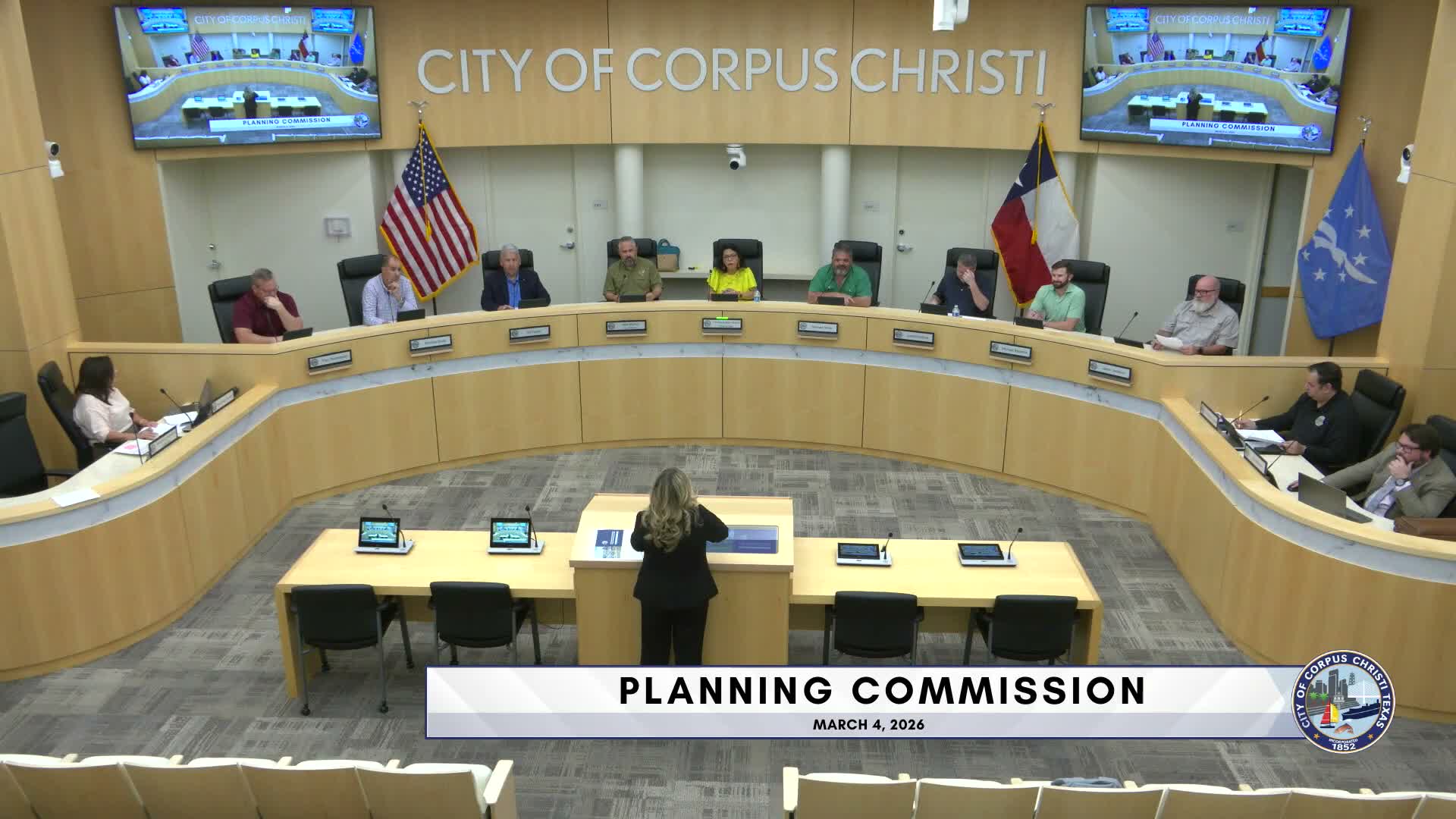
Summary
City staff recommended consolidating trust-fund buckets, eliminating lift-station reimbursements and preparing to implement impact fees; planning commissioners approved proposed UDC text amendments and asked council to consider impact fees and a phase-in period to reconcile an estimated $1.3 million trust-fund deficit.
Planning commission members voted to approve proposed Unified Development Code text amendments that would tighten how the city's trust fund reimburses developers and to forward materials on impact fees for City Council consideration.
The commission's action followed a staff presentation from Yvette Wallace, interim director of Development Services, who outlined two parallel recommendations from the Capital Improvement Advisory Committee (SEAC): modernize the local trust-fund policy and, separately, adopt impact fees for water, wastewater, stormwater and road infrastructure. Wallace said SEAC recommended adoption in October 2026 and proposed sunsetting the trust-fund fees at that time to avoid duplicate charges.
Wallace told commissioners the trust fund has reimbursed more than $41.5 million historically but currently shows an approximately $1.3 million deficit. To improve solvency she proposed consolidating four reimbursement "buckets" into two (water and wastewater), eliminating lift-station reimbursements from the trust-fund reimbursement schedule (moving those projects to participation agreements), clarifying when surcharges and pro rata fees are collected, requiring fully approved public-improvement plans instead of design memoranda, and limiting time extensions for plats with an appeals process to council.
SEAC's recommended impact-fee framework was described as tying charges to adopted master plans and a 10-year capital improvement plan; staff distinguished between an assessed maximum and an adopted rate. Wallace gave example figures used in the SEAC recommendation: a proposed adopted water fee near $950 per ERU (the presentation also cited an assessed figure of $18.66 per ERU), wastewater near $612 per ERU, stormwater at about $100 per ERU and roadway set to zero for now. Wallace and commissioners noted the proposed changes would affect multifamily and commercial projects more than single-family lots and that staff wanted to wait until fiscal 2028 to reassess fee levels after observing the effect of the policy changes.
Commissioners pressed staff on transition mechanics for projects already in the trust-fund queue. Wallace confirmed the trust fund would remain in place during an implementation window so existing fees would continue to be collected under current rules until a council-set start date for impact fees. Commissioner Moses Mastagasi (District 5) and others reiterated that prior recommendations included an 18-month lead time after council approval to put staffing, IT systems and policies in place so collections and reimbursements could be reconciled before impact fees take effect.
Wallace said staff had draft policies ready but would need to rebuild collection systems, retrain reimbursement staff and set accounting buckets. She said the department did not recommend immediate fee increases and planned to revisit the fee schedule in fiscal year 2028 after seeing how the changes affect solvency.
At the end of the public hearing, the planning commission voted to approve the text amendments to the UDC that clarify trust-fund eligibility, collection timing and extension rules, and to forward the impact-fee materials to City Council for a March 17 hearing where council will decide whether to set a date for impact-fee adoption or proceed with the trust-fund amendments alone. The commission approved the UDC changes by voice vote.
What happens next: staff said they will present both a UDC text-amendment ordinance and an item setting a public hearing for impact fees to City Council on March 17; if council directs staff to pursue impact fees, staff will ask council to consider the trust-fund amendments in the interim and use an implementation window (previously proposed at 18 months) to reconcile projects in the queue and finish system build-out.