Get Full Government Meeting Transcripts, Videos, & Alerts Forever!
EGLE outlines remediation priorities, funding sources and workload to Michigan House subcommittee
Summary
EGLE officials told the House Great Lakes and Energy subcommittee the state is prioritizing legacy contamination through risk‑based categorization, steady funding since 2016 expanded cleanup capacity, and that most remediation program dollars come from Renew Michigan, brownfield tools and a cleanup fund fed by unclaimed bottle deposits.
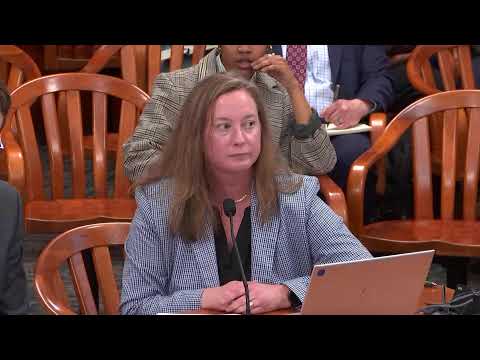
Mike Neller, director of the Remediation and Redevelopment Division at the Michigan Department of Environment, Great Lakes and Energy, told the House Committee on Great Lakes and Energy that the division now manages four core programs and uses a risk‑based approach to prioritize contaminated sites.
"Our statutory mandate is to protect public health and the environment under part 201," Neller said, outlining the division's work on Part 201 environmental remediation, Part 213 leaking underground storage tanks, the Brownfield Redevelopment program and coordination with federal Superfund (CERCLA) sites.
Neller said the agency's inventory includes about 18,000 Part 201 sites and roughly 7,000 Part 213 sites, and that the state receives about 1,200 Baseline Environmental Assessments (BEAs) a year, roughly half for sites the state had no…
Already have an account? Log in
Subscribe to keep reading
Unlock the rest of this article — and every article on Citizen Portal.
- Unlimited articles
- AI-powered breakdowns of topics, speakers, decisions, and budgets
- Instant alerts when your location has a new meeting
- Follow topics and more locations
- 1,000 AI Insights / month, plus AI Chat