
Finnish ambassador says free education, universal health care and public trust drive Finland's top happiness ranking
Get AI-powered insights, summaries, and transcripts
Subscribe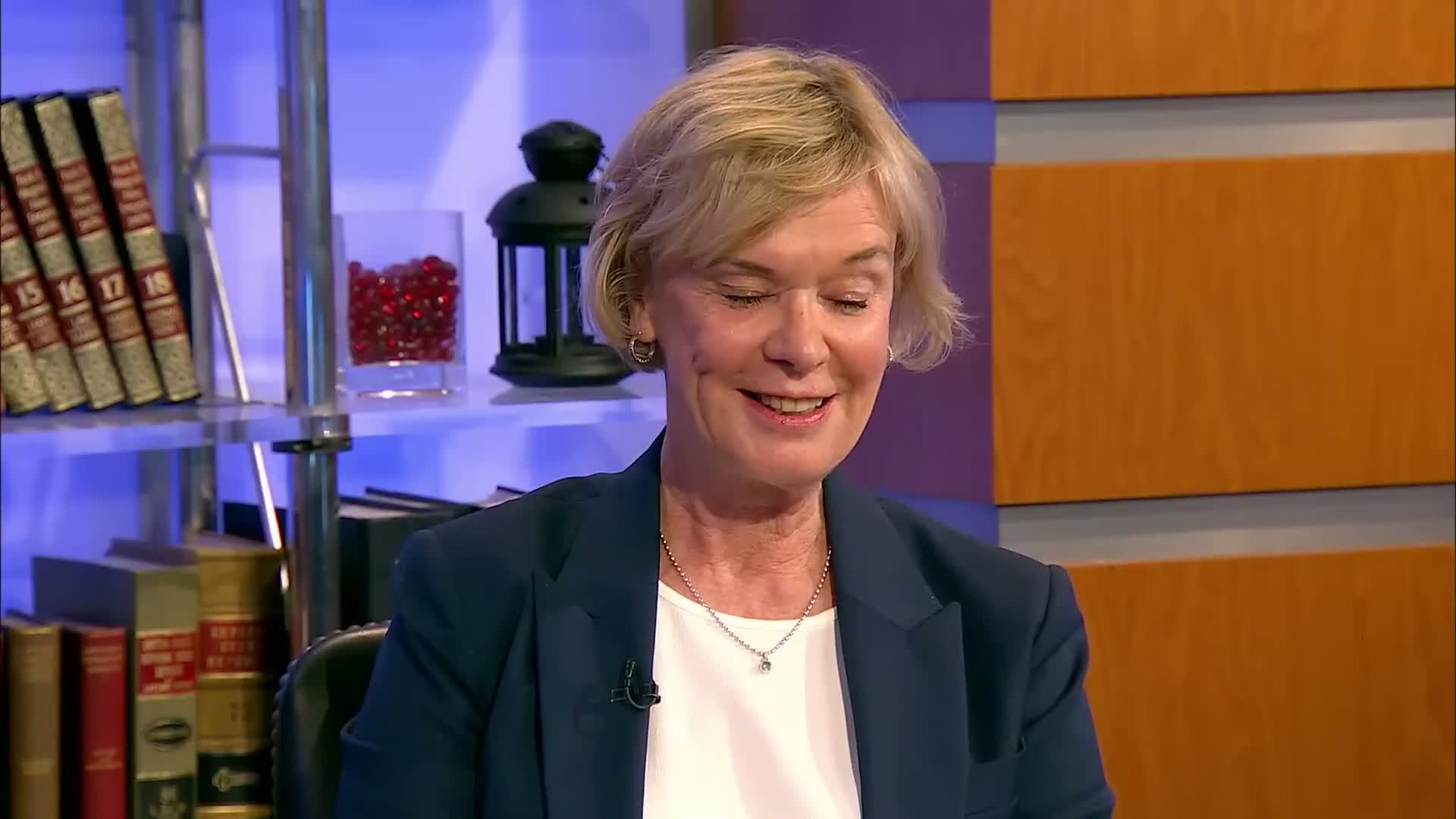
Summary
In a recorded interview, Finland's ambassador to the United States, Lena Kaisa McCullough, credited Finland's free education, constitutionally guaranteed public health care, strong pensions and high social trust for the country's repeated top ranking on global happiness surveys.
Lena Kaisa McCullough, Finland's ambassador to the United States, said Finland's social services and high levels of trust explain why the country has been ranked the world's happiest nation for eight consecutive years. "For the 8 years in a row, we've been ranked as the number 1, the happiest country in the world," McCullough said, noting the survey measures life satisfaction, trust and quality of life.
The ambassador told the interviewer that education in Finland is free and that at about age 16 many students choose vocational training (about 50%) or pursue university studies. "We have good public services," she said, and added that the system aims to guarantee fair treatment and equality "till the day they retire." She described two pension systems: an earnings-based plan funded by employer and employee contributions and a national pension that provides a safety net for those with shorter work histories.
McCullough said Finland's public health system is guaranteed by the constitution and is free at point of use, though modest daily fees may apply in some cases. "Public health care is guaranteed by law, and it is free," she said, and attributed part of the system's performance to preventive measures and strong maternal and child health programs. When the interviewer contrasted U.S. per-capita spending with Finland's ("over $15,000" vs. "about $5,400" cited by the interviewer), McCullough called Finland's system "rather efficient" and stressed preventive care and maternity services as strengths.
On taxation, McCullough said Finns accept higher taxes because they receive reliable public services in return. She cited a survey she read while preparing for the interview that found "93% of Finns consider paying the taxes we pay as an important civic duty." The ambassador linked that civic attitude to a belief that public investment returns benefits such as free schooling and secure pensions.
The interview also touched on housing and equality of educational opportunity: McCullough acknowledged housing pressures in larger cities and said housing allowances exist for more vulnerable residents. She emphasized that parents in different regions can generally expect a similar base level of education for their children.
The conversation closed with McCullough noting the role of trust and social cohesion in sustaining Finland's model. The interview ended without any formal policy announcements or votes.