
Senate approves bill to speed capital-felony proceedings and align court rules after extended debate
Get AI-powered insights, summaries, and transcripts
Subscribe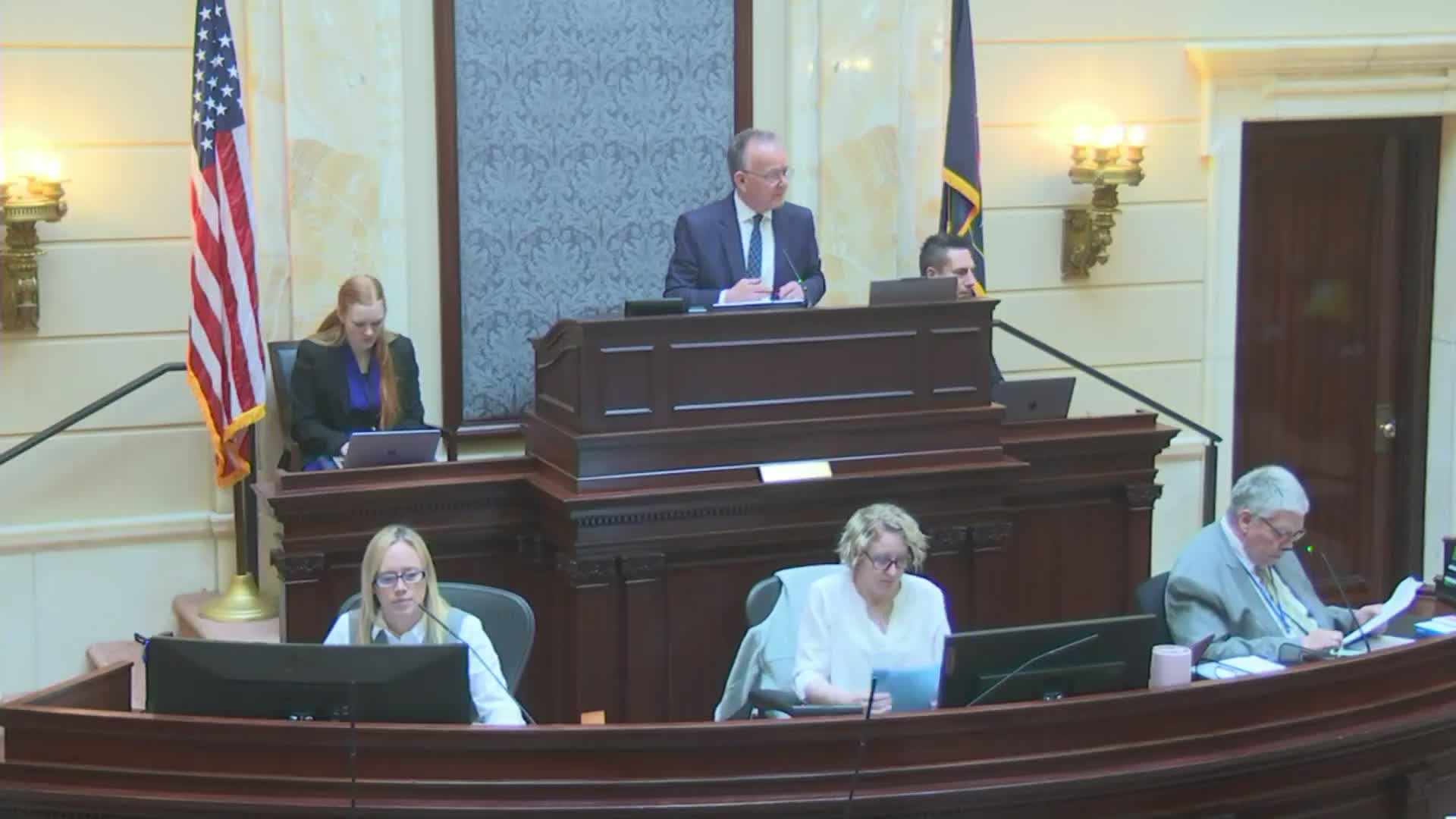
Summary
The Senate approved first substitute H.B. 495, which sponsors said will speed up capital-felony cases by changing prescreening, appeal and post-conviction procedures, increasing counsel compensation, and coordinating court-rule amendments. The bill drew lengthy debate on legal safeguards and timing.
The Utah Senate passed first substitute House Bill 495 after extended debate about how to balance speedy resolution of capital-felony cases with constitutional and evidentiary safeguards.
Senator McKay, the Senate sponsor, described the legislation as a comprehensive package intended to eliminate unnecessary delays in capital cases and to coordinate statutory changes with amendments to court rules. "This bill seeks to eliminate unnecessary delays in capital cases," McKay told the chamber. He outlined measures that would require early prescreening for intellectual disability, limit direct-appeal claims of ineffective assistance of counsel in capital cases (shifting those claims to post-conviction petitions), clarify appointment timelines for post-conviction counsel, increase compensation and litigation expense allowances for post-conviction counsel, and limit late competency challenges.
McKay framed the bill in human terms, citing victims’ families and the long average time on Utah’s death row: "The average time that our current death row inmates... is 33 years," he said on the floor, arguing the long delays harm victims’ families and inflate state costs. Other senators debated constitutionality, compensation levels, the IQ threshold for intellectual-disability screening, and whether expedited review could meet federal standards for accelerated habeas review.
Senator Weiler and other supporters said improvements in defense representation and clearer timelines can reduce repeated appeals and bring cases to resolution sooner. Opponents and skeptics—including some senators who voiced constitutional concerns—urged caution, arguing that some changes could make it harder to fully review claims of innocence or competency.
The bill passed on a recorded vote after the debate. The recorded tally announced on the floor was 20 yay, 6 nay, 3 absent. Supporters said the bill coordinates with pending court-rule changes and an accompanying resolution (H.J.R. 28) to align appellate and criminal-procedure rules with the statutory changes.
What changes the bill contains
- Prescreening for intellectual disability at the start of capital proceedings and a clarified IQ screening approach. - Restrictions on bringing ineffective-assistance-of-counsel claims on direct appeal in capital cases; those claims would be treated in post-conviction petitions. - A requirement to appoint post-conviction counsel within a set timeline and expanded compensation for such counsel, intended to meet federal expedited-review standards. - Stricter conditions for successive competency petitions and limitations on stays of execution tied to procedural defects.
Procedural follow-up
Senate passage was accompanied by a motion to uncircle and pass H.J.R. 28, a companion measure amending court rules to align with the statute; that resolution was adopted on the floor as well. The changes will require rule drafting by the courts to implement the statutory timeline and stay limitations. Supporters said the changes are designed to produce timely resolution for victims’ families and reduce long, costly litigation; opponents warned about the risk of foreclosing legitimate claims.
Ending
With Senate passage, H.B. 495 and related court-rule measures will move back to the House for further action as the Legislature completes its final-day work.