
Senate strips Social Security requirement, approves subcontractor reporting bill for public projects
Get AI-powered insights, summaries, and transcripts
Subscribe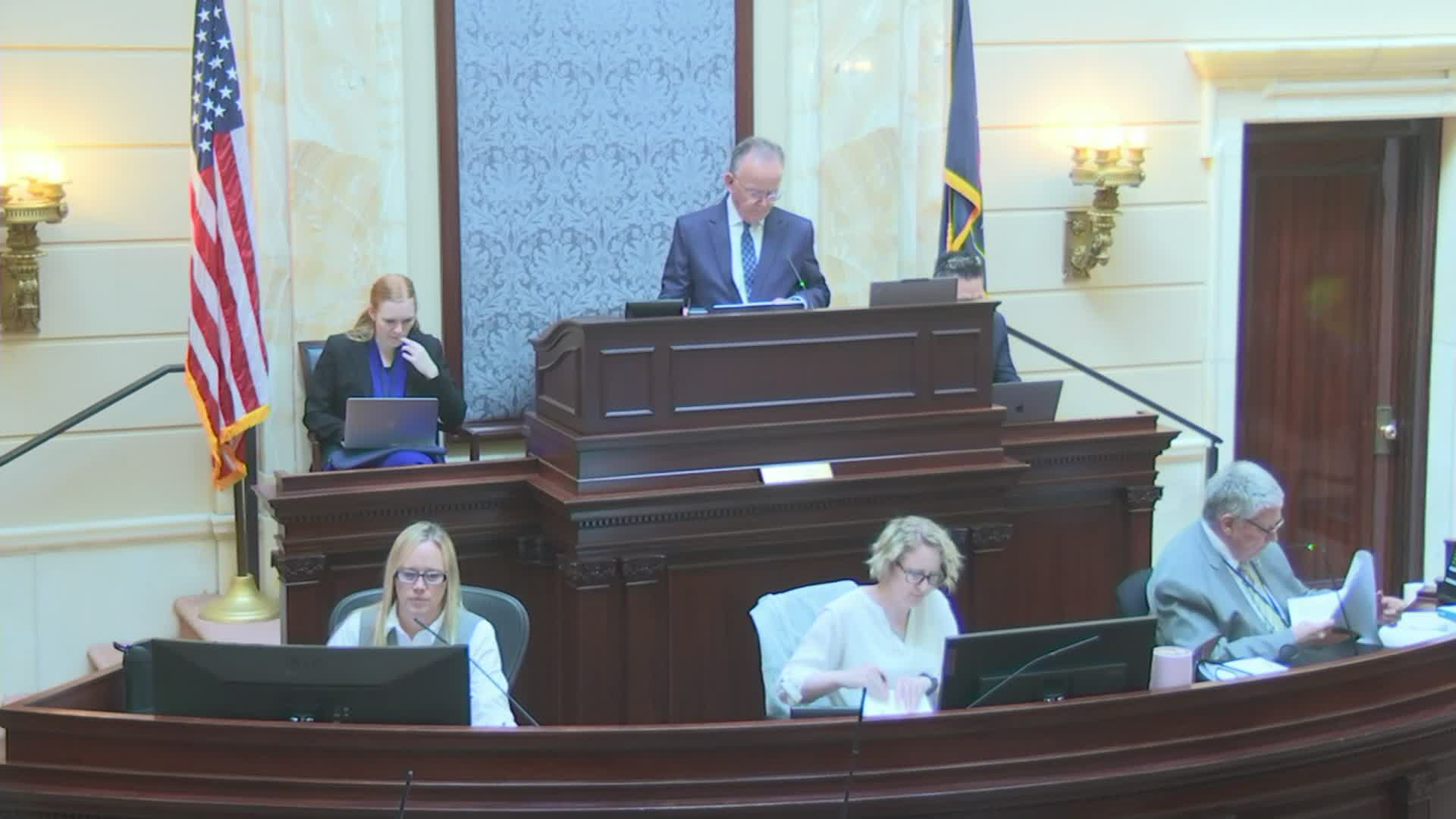
Summary
H.B. 396 requires second-tier subcontractors on public projects to provide employee and licensing information to general contractors and allows verification by the division of professional licensing; lawmakers removed a provision requiring Social Security digits after privacy objections. Vote: passed 27-0.
The Utah Senate passed H.B. 396 after floor debate over a privacy provision requiring Social Security digits. The sponsor, Senator Brammer, said the bill targets second-tier subcontractors on public projects and is intended to reduce liability and ensure proper licensing and insurance on government contracts.
Under the bill as presented, second-tier subcontractors on public projects would provide to the general contractor a list of their W-2 employees, relevant professional license numbers and proof of insurance; the division of professional licensing would be able to verify licensing upon request. Senator Brammer said the provision applies only to public contracts.
Senator Weiler raised privacy concerns about a line in the draft that required the last four digits of employees' Social Security numbers. "This is a privacy concern," Weiler said, arguing it would be onerous and unnecessary for subcontractors to supply Social Security numbers for current and future employees. She offered a verbal motion to strike that line; the body voted to adopt the change. The sponsor acknowledged DOPL could still request employee names and license numbers but that the Social Security-digit requirement would be removed.
With that amendment, the Senate moved the bill to final passage under suspension of the rules; the clerk recorded the roll-call vote and the bill was returned to the House for further consideration.
The floor debate focused on balancing contractor and state liability protections with worker privacy; the amendment that removed the Social Security requirement passed before final passage.