
Senate approves bill to expand conscience accommodations for students in higher education
Get AI-powered insights, summaries, and transcripts
Subscribe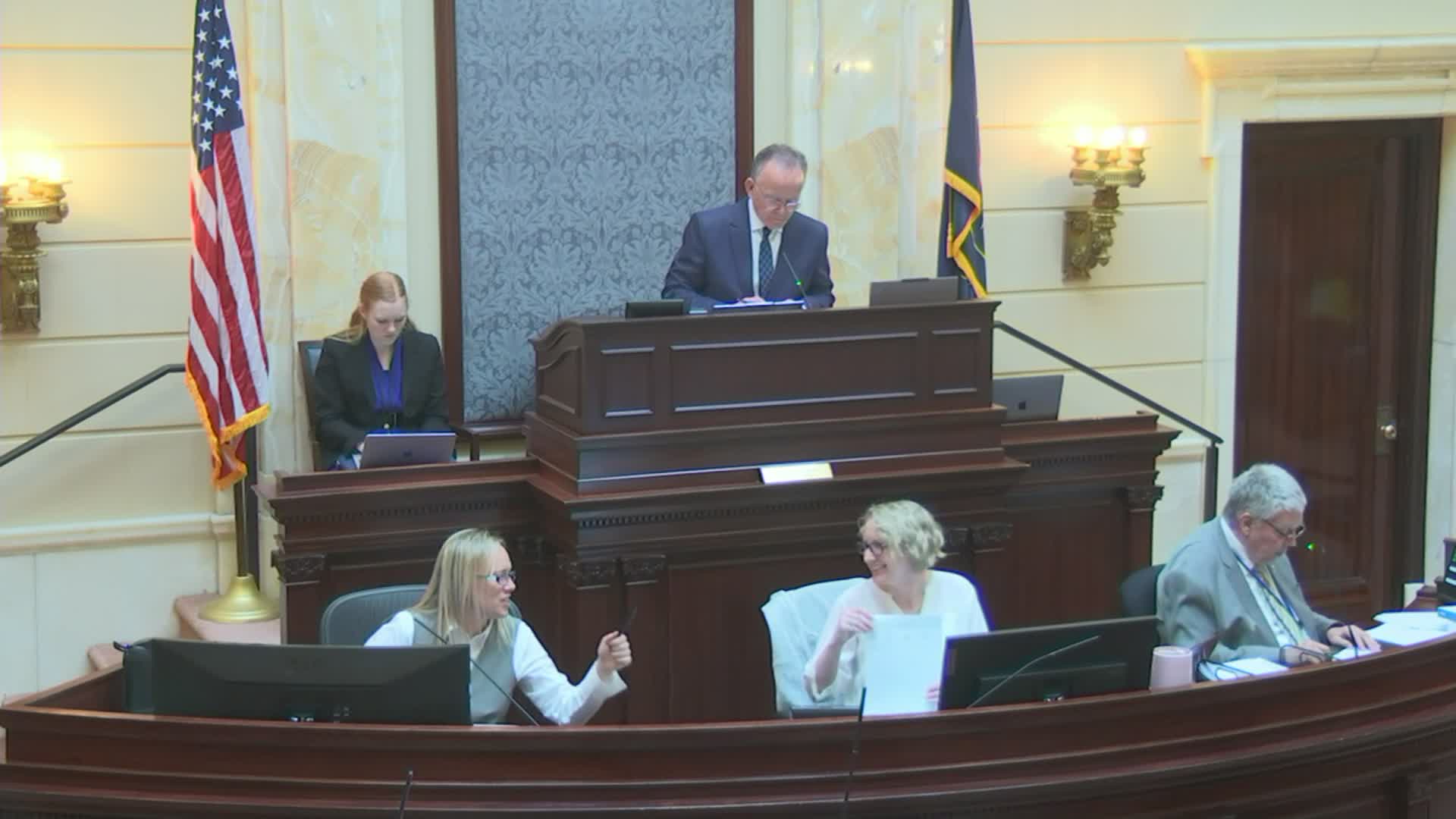
Summary
The Utah Senate passed H.B. 204 after adopting an amendment clarifying exam accommodations; sponsors said the bill protects studentsconscience rights while opponents warned it could strain classroom autonomy and accreditation. Vote: passed under suspension, returned to the House for further consideration.
The Utah Senate on its final floor day passed H.B. 204, legislation that bars higher-education institutions from compelling students to take actions that violate sincerely held religious or conscience beliefs and requires reasonable accommodations when possible.
Sponsor Senator Brammer, presenting the bill, said the measure is limited to protecting conscience rights in classrooms and does not prevent professors from teaching or lecturing on controversial topics. "There's a reason why the First Amendment is the first amendment," Brammer said, arguing the measure balances accommodation with academic standards.
Opponents warned that the bill could disrupt classroom instruction and raise accreditation questions. "I believe that our professors do not support this bill," said Senator Reby during floor debate, adding that university autonomy and curricular integrity could be jeopardized and that the measure could be used improperly by students seeking alternate lessons for non-meritorious reasons. Senator Reby said university classes teach facts and academic content, not opinions.
Supporters pressed that the bill is narrowly tailored. Senator Baldry, in a floor statement, framed the measure as broadening reasonable accommodations to preserve access to higher education for students of diverse faiths: "A student's grade should depend on academic merit, not the sacrifice of their most deeply held convictions," Baldry said.
The Senate adopted an amendment (amendment 4) that clarifies how accommodations would apply to exam scheduling and provides more detail about what constitutes a reasonable accommodation in that context. After debate, the Senate passed the bill under suspension of the rules; the measure will be returned to the House for further consideration.
The bill drew several recorded votes during debate; the Senate recorded the passage under suspension and returned the amended bill to the House.