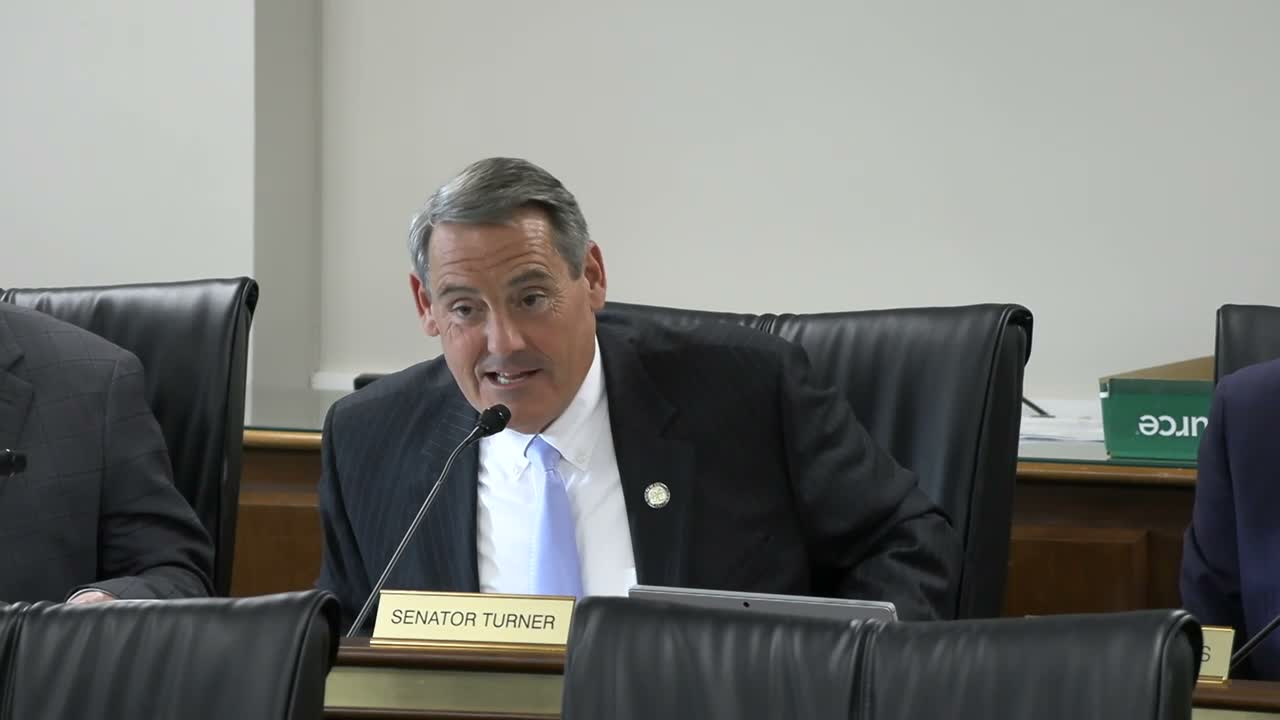
Subcommittee hears arguments for and against lower tax on heated tobacco products
Loading...
Summary
Witnesses from public health groups and industry testified on bills to create a lower excise rate for FDA-authorized heated tobacco products. Supporters said lower taxes encourage smokers to switch; public-health experts warned about youth uptake and recommended tax parity.
Lawmakers and witnesses traded sharply different accounts of how to tax heated tobacco devices as the subcommittee considered legislation to create a lower excise category.
Raquel Mitchell, national deputy director of Moms for America Action, urged lawmakers to adopt a lower tax rate for FDA-authorized heated tobacco products so adult smokers could more easily transition away from combusted cigarettes. "By passing bills to establish a differentiated lower rate, you can make harm reduction tools more accessible to adults ready to change while preserving strong safeguards for our kids," Mitchell said.
Supporters from the policy and advocacy communities amplified the argument that tax policy can change behavior. Guy Bentley of the Reason Foundation cited international examples — including Japan, where heated tobacco products were followed by large declines in cigarette sales — and recent national data showing youth tobacco use is at a decades-low. Patrick Gleason of Americans for Tax Reform argued that excise taxes should reflect relative risk and that a separate category would align incentives.
Public-health testimony disagreed. Anthony Alberg, professor of epidemiology at the USC Arnold School of Public Health, told the committee that while heated tobacco products may expose users to fewer toxins than combustible cigarettes, they are not harmless and policy should weigh risks relative to nonusers. "A policy that best protects the health of South Carolinians is to tax all tobacco products equally," Alberg said.
During debate, a committee amendment was introduced to direct revenue from any restructured tobacco excise into the Medicaid Reserve Fund (the current destination for cigarette tax receipts) and to ensure proceeds are used for health-related costs. The subcommittee adopted the amendment by voice vote and moved the measure forward as amended.
The panel did not resolve several contested technical issues — including how to define products eligible for a lower rate, safeguards to prevent youth access, and whether vape products should be included — leaving them for fuller consideration in the next committee stage.