Get Full Government Meeting Transcripts, Videos, & Alerts Forever!
Get email alerts on the Licensing topic
No spam. Unsubscribe anytime.
House approves cosmetology licensing change to waive late fees and simplify testing
Summary
Lawmakers passed a strike-all to waive past-due cosmetology late fees for a limited period and require only a written exam for licensure renewal, a change sponsors said will help people re-enter the workforce; the measure passed unanimously.
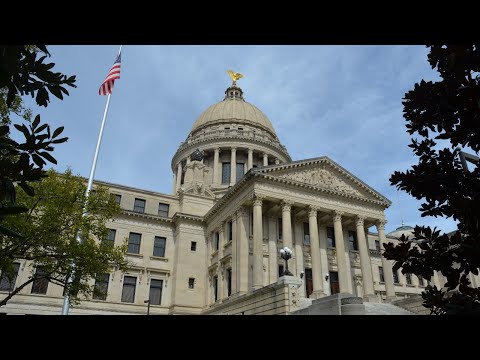
The Mississippi House adopted a strike-all amendment and then voted to pass legislation that waives late fees for cosmetology and barber license applicants for the current year and narrows the practical requirements for returning licensees.
Sponsor (Representative Gibbs) said the change is aimed at people who let licenses lapse and now want to return to work. “This is to allow all these individuals that have got caught up in the past that haven't been able to obtain their license, allows them to come in this year and go back and get their license,” the sponsor said during floor explanation.
Under the change, the practical exam requirement is not removed from education programs, but the practical portion will not be required solely to get the license; candidates still must pass a written exam. Members asked whether the cosmetology board has the staff and processes to handle the surge in applications. The sponsor responded the new board is hiring staff, ‘‘they're up to 7 employees answering the phones and trying to fix those issues,’’ and urged members to reach out with constituent issues.
The House recorded a unanimous roll-call on final passage with 119 yays and 0 nays. Supporters argued the bill removes an administrative barrier to employment; questions from several members focused on implementation timelines and whether the board’s staffing will be adequate to process applications in a timely way.
The measure now proceeds under the usual enrollment and transmission process for final enactment.