Property-tax relief overhaul fails after heated House debate
Loading...
Summary
The House defeated the substitute to SB 78 after a lengthy debate over whether to repeal statewide property-tax credits and move to a county-run deferral model; the measure failed 28–41.
After extended floor debate March 6, the Utah House rejected a major property-tax relief substitute (SB 78) that would have repealed several statewide property-tax relief programs and shifted relief toward a county-run tax-deferral model.
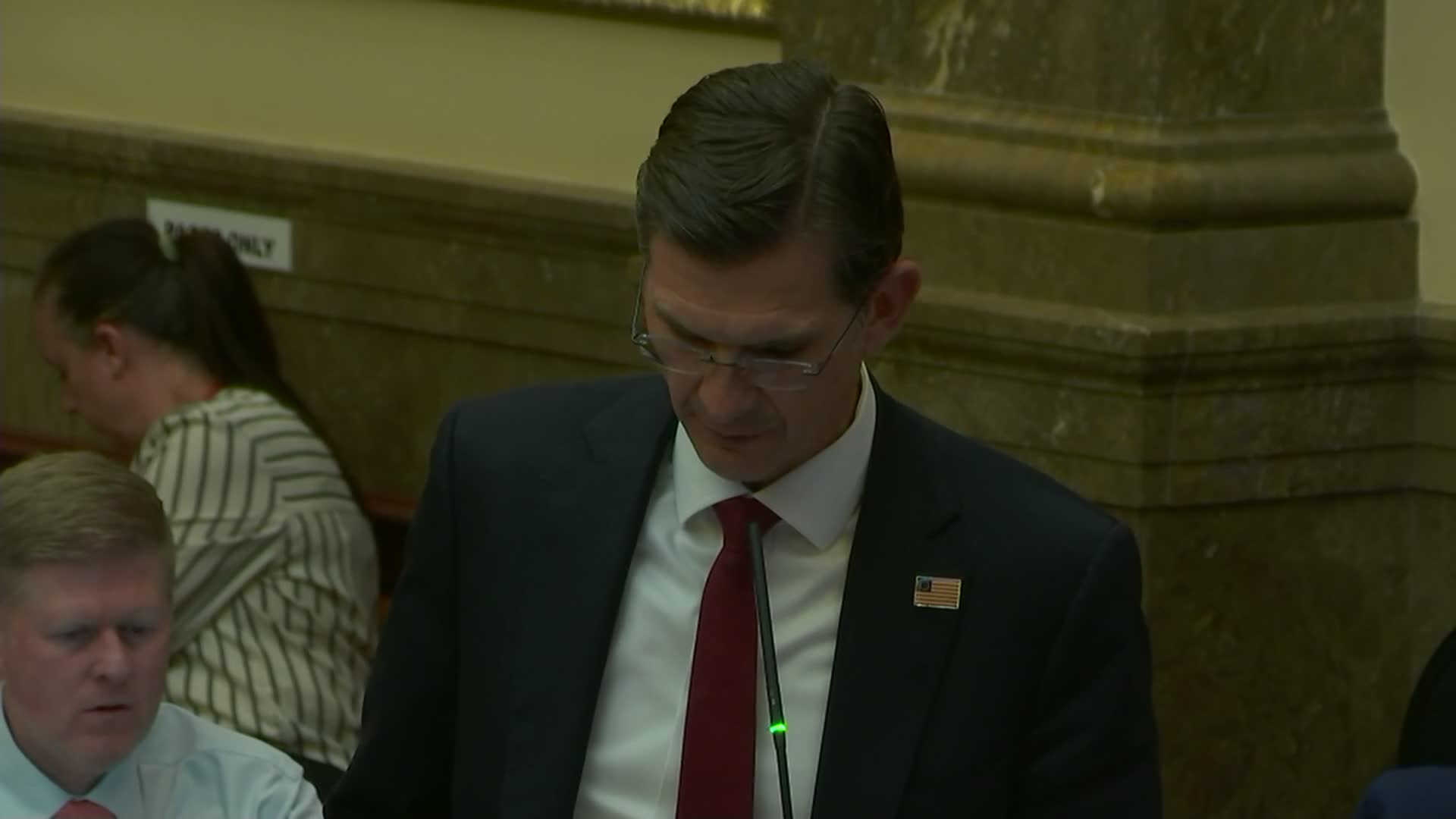
Sponsor Representative Walter summarized the measure’s major changes, saying the substitute “repeals three existing state property tax programs — the renter’s credit, the homeowner’s credit, and abatement for indigent individuals” and converts the state-funded abatement into a county-administered deferral program. He said the proposal would allow counties discretion to design an abatement or deferral program and would preserve certain protections (surviving-spouse protections and special-needs trusts); the proposal also included a $9 million state appropriation to support the new structure.
Opponents, including Representative Thurston, warned the policy would be unpopular among seniors and could shift burdens unevenly across counties. “My constituents want the circuit‑breaker program,” Thurston said on the floor, arguing many voters would prefer the current state-funded circuit-breaker to a deferral that can be repaid later. Other members raised concerns about county capacity to implement local programs and the political optics of repealing existing credits.
After debate and a failed motion to circle the bill for additional committee consideration, the House voted; the substitute failed to pass, 28 yes to 41 no. Members debating the measure emphasized that the policy tradeoffs were substantive: supporters framed deferral as fiscally sustainable and protective of county budgets, while critics said repeal of direct credits would be unpopular with affected homeowners.
Because the vote failed, the House will not advance the substitute as presented to the Senate at this time.