
Industry groups and NRA back SB243 to remove suppressors from Alaskaprohibited list; some public commenters urge caution
Get AI-powered insights, summaries, and transcripts
Subscribe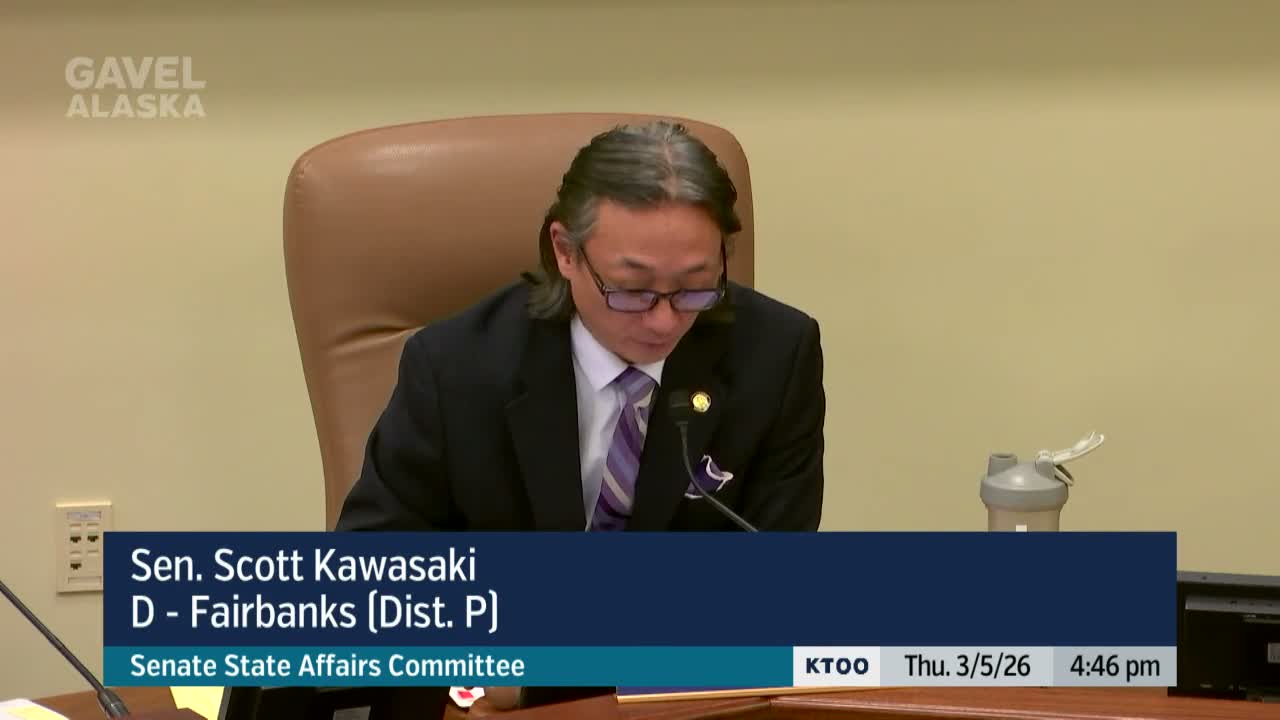
Summary
SB243 would repeal a state subsection classifying firearm suppressors as prohibited, aligning Alaska law with federal rules; proponents (American Suppressor Association, NRA) framed suppressors as hearing‑protection devices, while some public commenters worried about removing a state enforcement layer. The committee set an amendment deadline of March 15.
The committee considered SB243 on March 5, a bill that would repeal a subsection of Alaska law that currently classifies firearm suppressors as prohibited weapons at the state level. Joe Hayes, staff to the committee, explained the repeal would align state law with federal provisions and leave federal requirements — including registration and background checks under the National Firearms Act — intact.
Owen Miller, vice president of the American Suppressor Association, told the committee suppressors are widely used for hearing protection and estimated they reduce a firearm's sound signature by 20 to 35 decibels on average. "Suppressors are an incredibly effective tool to help law‑abiding gun owners mitigate preventable noise‑induced hearing loss," he said.
Aveen Klein of the NRA‑ILA also supported SB243, arguing the repeal clarifies Alaska law and prevents future conflicts for lawful owners if federal law changes. "Senate Bill 243 helps ensure Alaska law remains aligned with federal law and prevent future legal conflicts that could unintentionally restrict law‑abiding citizens' rights," Klein said.
Some public commenters opposed removing the state prohibition, arguing it would eliminate a state enforcement tool for tracking unregistered devices and could cause confusion. Annette Marley, among others, said she worried the change might reduce the state's ability to monitor compliance with federal registration requirements.
The committee closed public testimony and set an amendment deadline of March 15 for SB243. The bill was set aside for further consideration.