
Alaska advocates and formerly incarcerated witnesses urge committee to oppose SB126, citing harms of out‑of‑state placements
Get AI-powered insights, summaries, and transcripts
Subscribe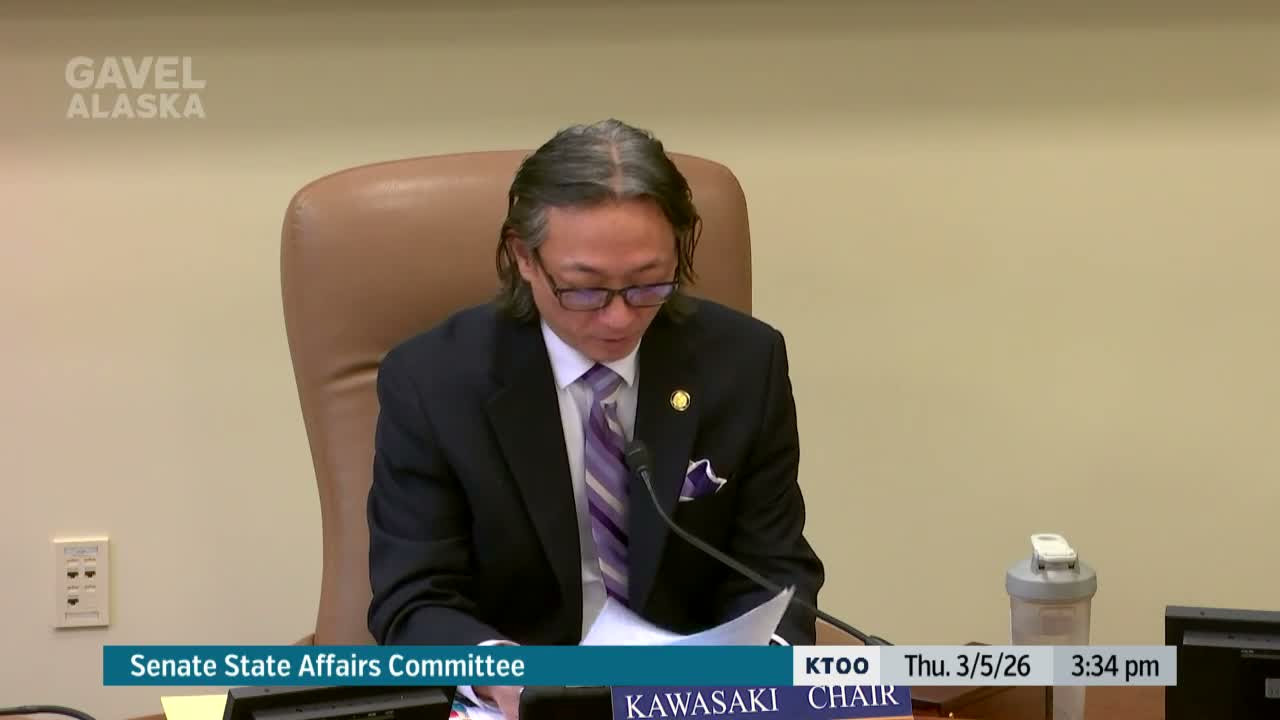
Summary
At a March 5 Senate State Affairs hearing, advocates and formerly incarcerated speakers urged opposition to SB126, saying shipping Alaskans to out‑of‑state prisons severs family ties, weakens oversight and can increase costs; the committee reported the bill out with individual recommendations and fiscal notes.
The Alaska Senate State Affairs Committee heard public testimony March 5 on SB126, a measure addressing correctional facility placements, as advocates and people with lived experience urged the committee to oppose sending state prisoners to facilities outside Alaska. Megan Edge, director of integrated justice for the ACLU of Alaska, told the committee: "I would also urge you to oppose SB126." She warned that moving people to the Lower 48 severs family ties and undermines rehabilitative programming and oversight.
"Out‑of‑state incarceration harms the families of Alaska and communities by severing essential family ties," Edge said, noting that prior contracts moved Alaskans to Arizona and Colorado and created logistic and oversight challenges. She cited historical use of private prisons and said oversight by state ombudsmen and access to counsel and state courts are harder when people are housed thousands of miles away.
Christina Chidura, Anchorage Reentry Coalition coordinator, also opposed the proposal, arguing the apparent short‑term savings are outweighed by transportation, medical coordination and staff overtime costs. "Shipping Alaskans out of state to prisons in the Lower 48 might seem like a straightforward way to trim costs at first glance," she said, urging investment in in‑state reentry programs and clearer parole pathways.
Speakers with lived experience said in‑state programming and family contact mattered for successful reentry. Bobby Dorton, who described himself as having rebuilt his life after in‑state incarceration, told senators he maintained family connections and obtained stable work because he stayed in Alaska.
Sponsor Senator Rob Yount acknowledged the fiscal pressures behind the proposal but described the bill as difficult and said his office was open to stakeholder input. Despite the opposition in testimony, Senator Bjorkman moved that SB126 be reported out of committee "with individual recommendations and attached fiscal notes." Chair Kawasaki announced no objections, and the committee advanced the bill from committee.
Why it matters: Supporters of keeping people in state say visitation, local rehabilitative programs such as the Palmer program run by South Central Foundation, and state oversight reduce recidivism and better protect constitutional rights and medical care access. Opponents point to budget shortfalls and long‑term costs but said alternatives—expanded parole, furloughs and reentry funding—should be explored.
The committee did not take a floor vote on final passage during the meeting; it reported SB126 out of committee with individual recommendations and fiscal notes for further consideration.