
Board recommends land‑use procedure to review reasonable‑accommodation requests for certified recovery residences
Get AI-powered insights, summaries, and transcripts
Subscribe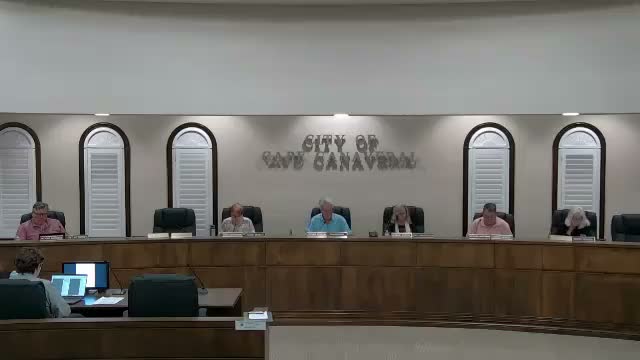
Summary
To comply with Florida Statute section 397.487 and recent Senate Bill 954 (2025), the board recommended Ordinance 02‑2026 to create a standardized administrative process for reasonable‑accommodation requests related to certified recovery residences and similar ADA/Fair Housing matters.
The Planning and Zoning Board recommended that City Council consider Ordinance 02‑2026, an amendment to the land development code that would establish a formal administrative procedure for reviewing reasonable‑accommodation requests related to certified recovery residences.
The board’s attorney, Anthony, summarized the legal context, saying the ordinance is intended to meet the minimum procedural requirements in Florida Statute section 397.487 and the state Senate bill enacted in 2025, and to align with federal Fair Housing Act and Americans with Disabilities Act standards. "On the certified recovery residences, we're required to have the process in place by 01/01/2026," Anthony told the board.
Staff described certified recovery residences as residences that hold a certificate of compliance and are actively managed by a certified administrator; the ordinance creates a standardized review pathway so such requests do not follow the typical approval process. Board members asked clarifying questions about specific wording in the draft ordinance, including whether the packet should read “letter from a medical professional” rather than “medical records,” and whether notarization could be substituted with a witnessed signature. The board discussed whether periodic verification of disability evidence (no more often than annually) could be required and whether the procedural conditions would apply only during construction or also to ongoing occupancy or service‑animal situations.
After staff and attorney responses, the board moved to recommend Ordinance 02‑2026 and voted in favor; all members present supported the recommendation. Staff noted the ordinance was intended to meet the statutory deadline and to provide a single administrative mechanism for reasonable‑accommodation review under state and federal law.
The ordinance recommendation will be forwarded to City Council for final consideration.