
Sponsor recommends Ought Not To Pass on LD 1259, saying enacted LD 1971 covers 287(g) concerns
Get AI-powered insights, summaries, and transcripts
Subscribe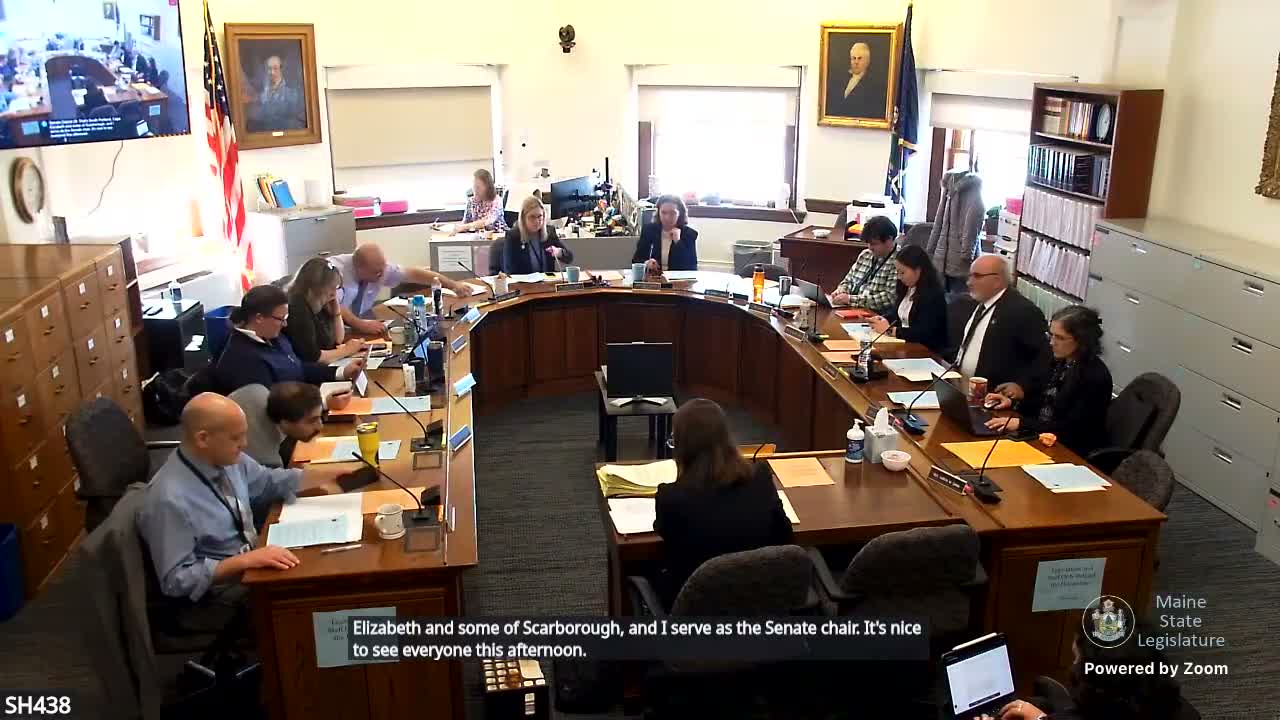
Summary
Sponsor Limbreen Rana told the committee LD 1971, now enacted, addresses the same issues LD 1259 sought to fix regarding 287(g)-style immigration enforcement agreements; the committee voted Ought Not To Pass on LD 1259 by those present.
The committee held a work session on LD 1259 and heard from sponsor Representative Limbreen Rana, who recommended the committee issue an Ought Not To Pass report because the recently enacted LD 1971 addresses the bill’s core concern: preventing local law enforcement from entering into written agreements that grant federal immigration enforcement authority.
"We worked in collaboration with the governor's office, with legal aid advocates, and directly with the immigrant community to craft LD 12 59," Rana told the committee, adding that LD 1971 contains provisions she and stakeholders believe "effectively do ban 287(g) agreements." She urged municipalities and counties to adopt local ordinances in the interim, since LD 1971 does not take effect until 90 days after adjournment.
Legislative analyst Janet Stocco summarized the technical differences between LD 1259 and LD 1971 and cautioned about drafting issues. Stocco told members LD 1971 prohibits a law enforcement agency from using agency money or personnel for immigration enforcement except in certain narrow circumstances, and she flagged that the bill's definitions might include federally recognized Indian tribes in ways the committee may want to revisit. Stocco also noted that the Maine State Police raised concern the LD 1259 language could be read so broadly it would prohibit temporary, task-force-related agreements even when immigration enforcement is not the primary purpose.
Stocco summarized stakeholder positions reported at the public hearing: state and local law enforcement groups opposed the bill arguing it removes local authority to determine cooperation with federal immigration agencies; in contrast, Portland’s mayor testified in favor, saying the measure would help municipal officers remain focused on local public safety priorities. The ACLU of Maine warned that litigation stemming from enforcement under a 287(g)-style agreement could lead to costs and settlements that would be borne by taxpayers; Stocco reattached material on potential litigation costs for committee review.
Following that discussion the sponsor recommended an Ought Not To Pass report; a committee member moved the recommendation and Representative Adam Lee seconded. The clerk called the vote and recorded 12 members voting in the affirmative, 0 in the negative, and 2 members absent. The chair announced the Ought Not To Pass report was unanimous of those present and closed the work session on LD 1259.
What happens next: LD 1971 is enacted and will take effect by statute 90 days after adjournment; the sponsor urged municipalities to consider local ordinances or executive actions to provide protections earlier. The committee closed its review of LD 1259 and moved on to language reviews of other bills.