
House advances statute-of-limitations package to extend childhood abuse window, narrows some civil limits
Get AI-powered insights, summaries, and transcripts
Subscribe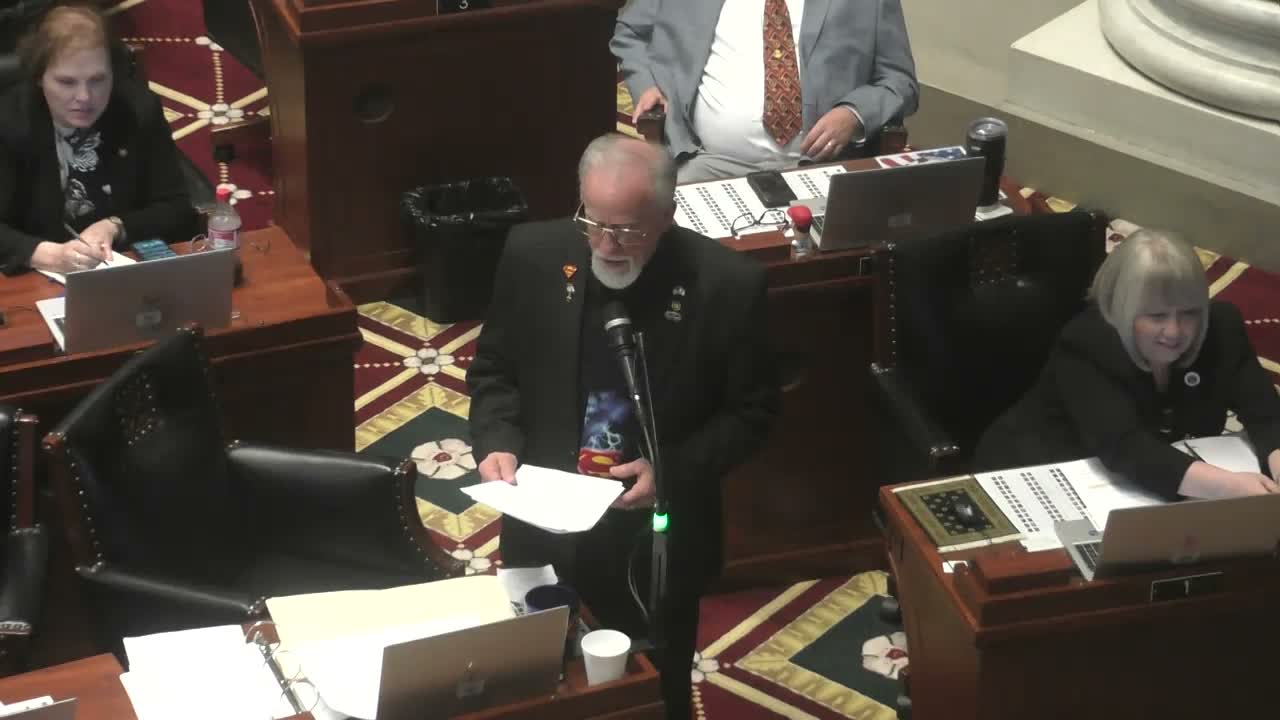
Summary
The Missouri House advanced a combined package that extends the civil window for adult survivors of childhood sexual abuse while also reducing some civil statute-of-limitations periods for personal-injury claims, prompting a heated floor debate over victims' access to justice and impacts on insurers and schools.
Representative from Taney County moved a combined statute-of-limitations package that would extend the time adult survivors of childhood sexual abuse can bring civil claims while also adjusting several other civil time limits.
Supporters said the change is aimed at giving survivors a chance to pursue remedies later in life. "I am their voice," the Representative from Taney County said, urging colleagues to back the bill and recounting testimony from victims who waited decades to come forward. Proponents emphasized bipartisan backing for the childhood-abuse provisions and recounted committee testimony, including victims who described fractured lives and delayed disclosure.
Opponents warned the package paired the survivors' expansion with unrelated reductions in other civil windows, which they said could harm access to justice for injury victims and advantage insurers. "Reducing the civil statute of limitations from five to three years risks clogging courts and cutting off valid claims," a Representative from Boone argued, asking members to consider preservation of evidence and the complexity of some personal-injury claims. Another member said the move amounted to ‘‘tort reform’’ that benefits insurance interests more than ordinary Missourians.
Floor exchanges included questions on how the combined text arose and whether the addition of civil-limit reductions was appropriately linked to the childhood-abuse provisions. Some members urged separating the measures; others argued the combined package represented negotiated compromise reached to secure passage.
The House voted to move the previous question and then adopted the committee substitute after roll calls that reflected sharp party-line differences on some elements. The sponsor and several supporters said the measure balances victims' needs with procedural safeguards; dissenting members said they would continue to press for changes in conference.
What happens next: The package was perfected and printed for transmittal; it now advances toward the Senate for further action. The House recorded multiple roll-call votes during the floor sequence.