Get Full Government Meeting Transcripts, Videos, & Alerts Forever!
Get email alerts on the Forensic Staffing topic
No spam. Unsubscribe anytime.
Commissioners approve funding for forensic office staffing after debate over timing
Summary
Brazos County commissioners voted to fund two death investigator positions and related personnel costs for the new forensic services office, adding an estimated $192,139 to the office budget despite objections from one commissioner who urged a slower staffing ramp‑up until the facility opens.
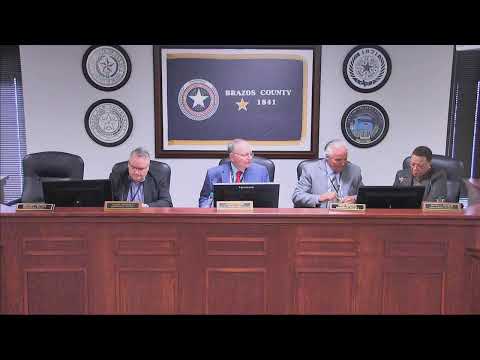
Brazos County Commissioners Court approved funding on March 10 to staff the county's new forensic services office, adding an estimated $192,139 to the department's budget to support two death investigators and related personnel costs.
The request prompted extended debate. One commissioner said starting with two investigators was “overkill” given uncertainty about how many external cases the office would receive, and asked whether hiring a second investigator would come back to the court for approval. County budget staff explained the positions were created in the prior budget cycle (effective Oct. 1) but carried zero funding until the court chose to allocate money now; the action before the court added funding so the positions can be filled when needed.
The county's medical examiner described workload projections that informed the staffing request, saying caseload estimates based on prior patterns suggest “it's probably closer to somewhere between 250 to 300 cases,” not all of which will require full autopsies but which would generate substantial investigative work.
Supporters argued funding both investigators now gives the office flexibility to recruit and ramp up quickly so it can serve Brazos County residents first and surrounding counties later. Opponents urged a gradual approach, citing the facility's pending opening, uncertainty over contracts with neighboring counties, and the county's ability to add positions during budget cycles.
After discussion, the court approved the funding for the positions; the motion carried by voice vote with one member recorded as opposed. The judge and county budget staff said the county will prorate costs and only move funds when positions are actually filled.
Next steps: staff may begin recruitment and will bring personnel action forms when hires are proposed; the court will monitor the ramp‑up as the facility opens.