Lifetime Citizen Portal Access — AI Briefings, Alerts & Unlimited Follows
Planning Commission schedules public hearing on water preservation element after debate on aquifer protections
Loading...
Summary
After a lengthy debate about whether the water preservation element should prioritize conservation or include supply‑expansion language, the commission voted unanimously to hold a public hearing on proposed language that would ask staff to 'work on developing land‑use codes that protect water quality' in two sole‑source aquifers.
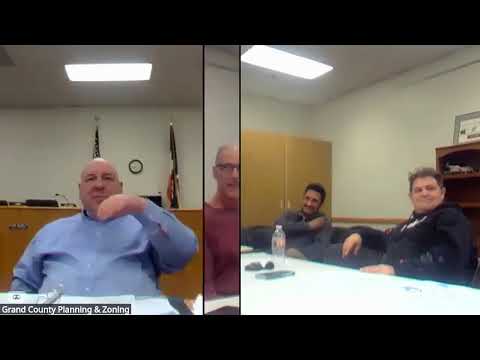
The Planning Commission voted unanimously to schedule a public hearing on the county’s water preservation element after extended debate over a paragraph proposed by Commissioner Obi to add protections for two sole‑source aquifers.
Obi presented maps and a rationale for adding a key action saying Grand County should "work on developing land use codes that protect water quality in both of these sole source aquifers," arguing the Glen Canyon and Castle Valley aquifers supply drinking water and lack adequate watershed‑scale protections. "I think we should consider land use codes that protect water quality in both of these sole source aquifers," Obi said as he described potential land‑use tools and examples of conditional uses the overlay might restrict.
Other commissioners raised concerns about scope and unintended consequences. One commissioner warned that overlay protections could require hydrologic or engineering studies for development and said that stringent rules could disproportionately affect private landowners: "It's gonna be... a lot of time and effort," the commissioner said, cautioning that high costs could make affordable housing or private development difficult. Staff and others noted parts of the current code (the WSPO, water source protection overlay) already regulate certain uses near public water sources, but that the WSPO currently covers only limited areas near wells.
Following discussion and a straw poll, a motion to hold a public hearing on the water preservation element that includes Obi’s proposed paragraph passed by unanimous voice vote. The commission directed staff to prepare hearing materials and to circulate maps and revised language in advance of the hearing.
Why it matters: The decision moves protection of drinking‑water sources into the public process. If adopted after hearing and revision, land‑use overlay protections could change permitting requirements for activities in mapped watershed areas and may require additional technical review for some projects.
What’s next: Staff will prepare public‑hearing materials and the commission will accept public comment at the scheduled hearing before any ordinance or code changes are adopted.