
GBI tells appropriations panel it needs pay adjustments and staff to retain examiners and lab technicians
Get AI-powered insights, summaries, and transcripts
Subscribe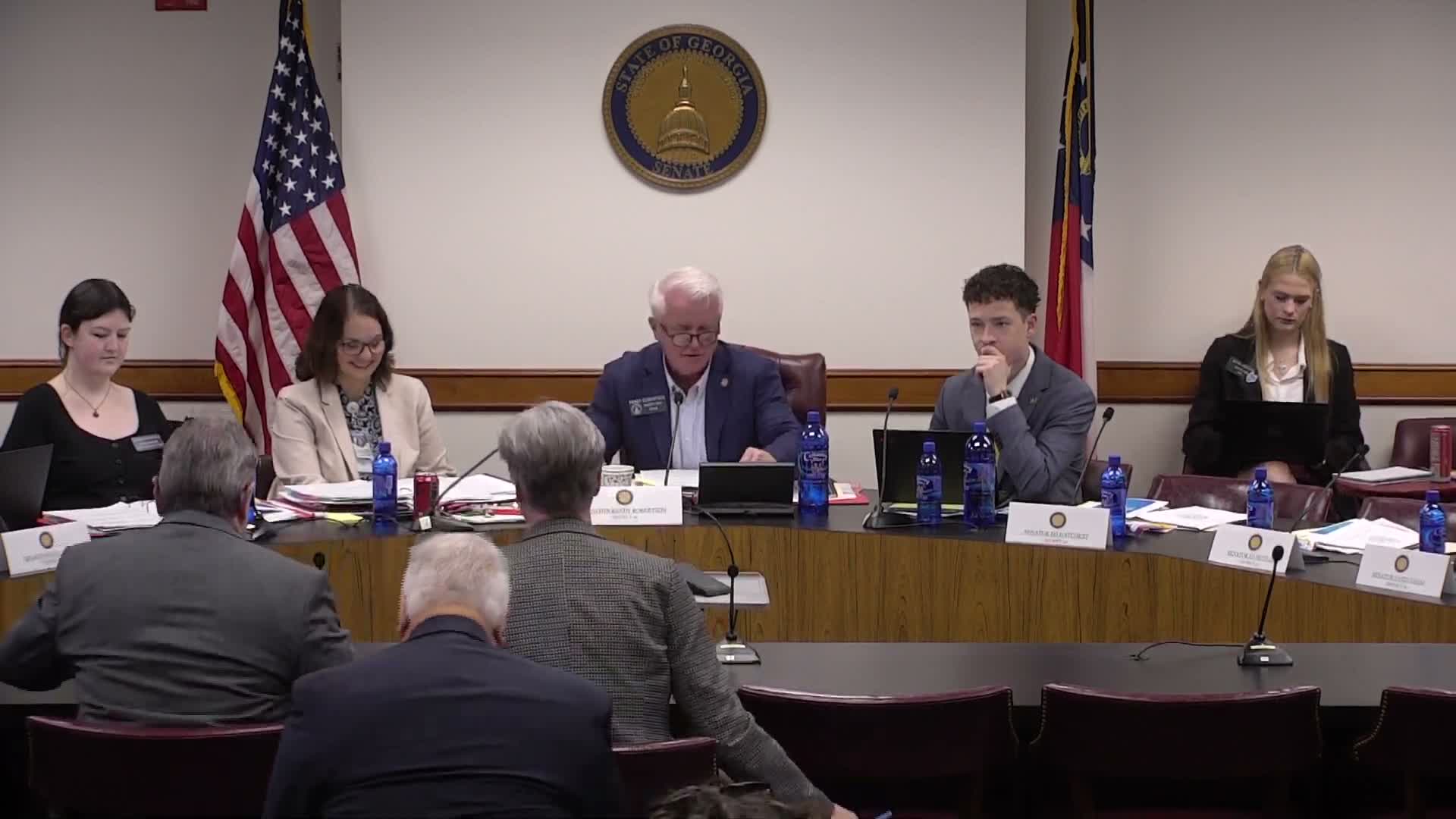
Summary
The Georgia Bureau of Investigation requested pay increases and staffing funding for medical examiners, lab scientists and evidence-receiving technicians, and explained a house-added transfer for a more robust gang case-management system and one-time startup funding for surveillance agent positions.
Director Chris Hoese appeared before the committee to seek legislative support for several personnel and program changes at the Georgia Bureau of Investigation.
Hoese said the house’s version of the FY27 budget would add funding to increase medical examiner salaries to address salary compression and add two tenure-based salary levels. "This version adds, increase in the medical examiner salaries by 30,000 and addresses compression by adding 2 salary levels based on tenure of 11 to 15 years and over 15 years," Hoese said, noting the change is intended to improve recruitment of experienced examiners.
On laboratory staffing, Hoese described an 8% salary increase for evidence-receiving technicians — a group with high turnover — and a $2,000 adjustment for PrimeLab scientists, supervisors and managers to keep benches filled. He told the committee the agency is actively recruiting for several lab positions and that pay adjustments are intended both as recruitment and retention tools.
Hoese also described a house-proposed transfer of a more comprehensive gang case-management system from GBI to the state Emergency Management/Homeland Security agency; the director said the system is "much more robust" than GBI’s current pointer system and can improve connectivity among law enforcement agencies. Committee members expressed a preference to keep the program within GBI; Hoese and colleagues said the system could operate statewide by MOU and that local agencies could participate.
Separately, Hoese said house changes would add funding for three special agent positions to operate newly purchased electronic surveillance equipment and cover one-time startup costs not fully funded in FY26.
Committee members asked for vacancy counts, clarification about which positions receive the increases, and whether vacant slots would receive the higher entry pay to avoid future compression. GBI indicated some vacancies are being held or filled as part of the recruitment packages and that the house included funding for several vacant positions.