Get Full Government Meeting Transcripts, Videos, & Alerts Forever!
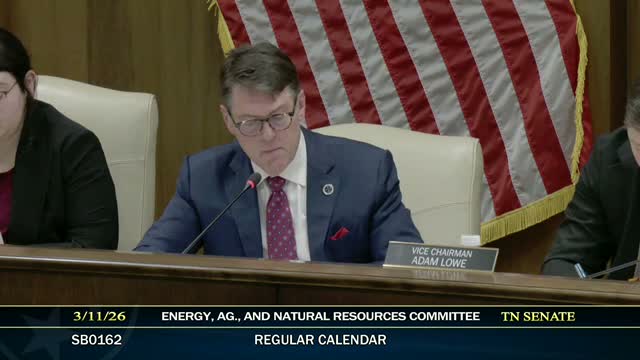
Committee rejects bill to ban water fluoridation after contested hearing
Summary
Sen. Hensley argued state-level prohibition of water fluoridation would restore individual consent and reduce alleged neurodevelopmental risk; committee debate highlighted local control and scientific disputes and the bill failed on a 4–5 vote.
Sen. Hensley presented legislation to prohibit adding fluoride to public drinking water, framing the measure as a restoration of individual informed consent and pointing to a recent federal court decision he said raised concerns about neurodevelopmental risk.
Hensley summarized research he said suggests an association between fluoridated…
Already have an account? Log in
Subscribe to keep reading
Unlock the rest of this article — and every article on Citizen Portal.
- Unlimited articles
- AI-powered breakdowns of topics, speakers, decisions, and budgets
- Instant alerts when your location has a new meeting
- Follow topics and more locations
- 1,000 AI Insights / month, plus AI Chat