
‘Bailey’s Law’ moves out of committee after family testimony; panel raises maximum sentences for DUI causing death
Get AI-powered insights, summaries, and transcripts
Subscribe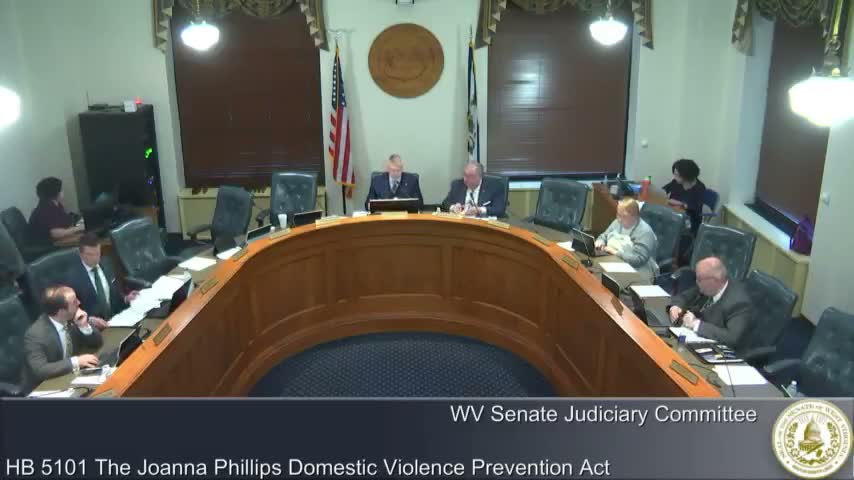
Summary
The committee approved a strike‑and‑insert to raise penalties for DUI causing death (to a 5–30 year range with a mandatory minimum element when deliberate disregard is found); family members of a recent fatal crash urged tougher penalties.
A committee substitute for House Bill 4712, labeled in the hearing as "Bailey’s Law," would increase the statutory sentence for DUI causing death where the defendant acted with deliberate disregard for the safety of others to a 5–30 year range and remove eligibility for suspended sentence or home incarceration in specified cases.
Family members of a recent fatal crash — presented by Steven Lewis on behalf of the Craig family — described the case and urged the committee for tougher penalties after the defendant received a youth‑offender disposition and a short period of home confinement in the trial court. Lewis said the outcome felt inadequate to the family given the loss of life.
Counsel and senators discussed the deliberate‑disregard element and how the new, higher offense would interact with the existing DUI‑causing‑death offense; members asked whether the change would reduce plea‑bargaining incentives. Counsel said the statute creates a separate offense with that aggravating element; a defendant could still plead to a lesser included DUI‑causing‑death offense if the elements were not proven or negotiated.
The committee adopted the strike‑and‑insert as amended and reported HB 4712 to the full Senate with recommendation that it pass.
What happens next: The bill proceeds to the full Senate and senators flagged likely floor discussion about mandatory sentences and potential plea effects.