Get Full Government Meeting Transcripts, Videos, & Alerts Forever!
Get email alerts on the Procedural Rules topic
No spam. Unsubscribe anytime.
City attorney tells board to 'act like a judge' and avoid ex parte contacts in quasi‑judicial hearings
Summary
Kyla Murray, Belgrade city attorney, told the Board of Adjustments that quasi‑judicial decision making requires impartiality, use of staff criteria, disclosure of unavoidable ex parte contacts and written findings for complex cases.
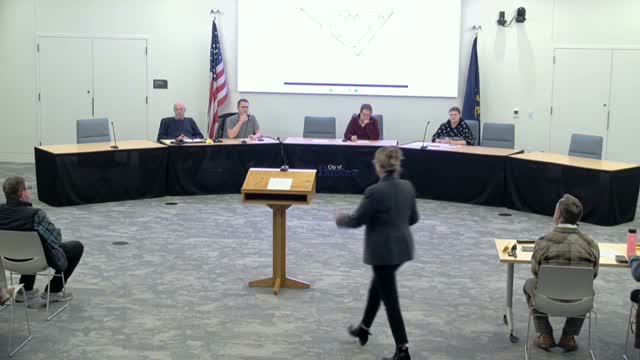
Kyla Murray, the city attorney for Belgrade, opened the meeting’s procedural portion by explaining that when the Board of Adjustments acts in a quasi‑judicial capacity "essentially you're acting like a judge." She told members they must make decisions based on evidence presented at the hearing, apply the legal standards in the staff report and avoid ex parte communications that could create an appearance of bias.
Murray emphasized due process obligations and the importance of public notice: interested parties must have meaningful opportunity to be heard before a neutral decision maker. "Failure to stick to those pretty strict principles can result in personal liability and the risk that your decisions will be overturned," she said, explaining why board members should seek clear written findings on complex or contentious cases.
On practical questions, Murray said site visits are permitted to gain perspective, but board members should not form a definitive opinion before hearing the whole record. If a member has unavoidable off‑record contact, Murray advised disclosing it and making a record of the contact to preserve transparency. She also cautioned against signing petitions or making public statements that might signal a predisposition on matters likely to come before the board.
Murray closed by advising members to rely on staff reports and to request written analyses when needed; she remained available later in the meeting to answer procedural questions.