
Senate approves changes to Working Connections childcare program, moving payments to attendance-based model
Get AI-powered insights, summaries, and transcripts
Subscribe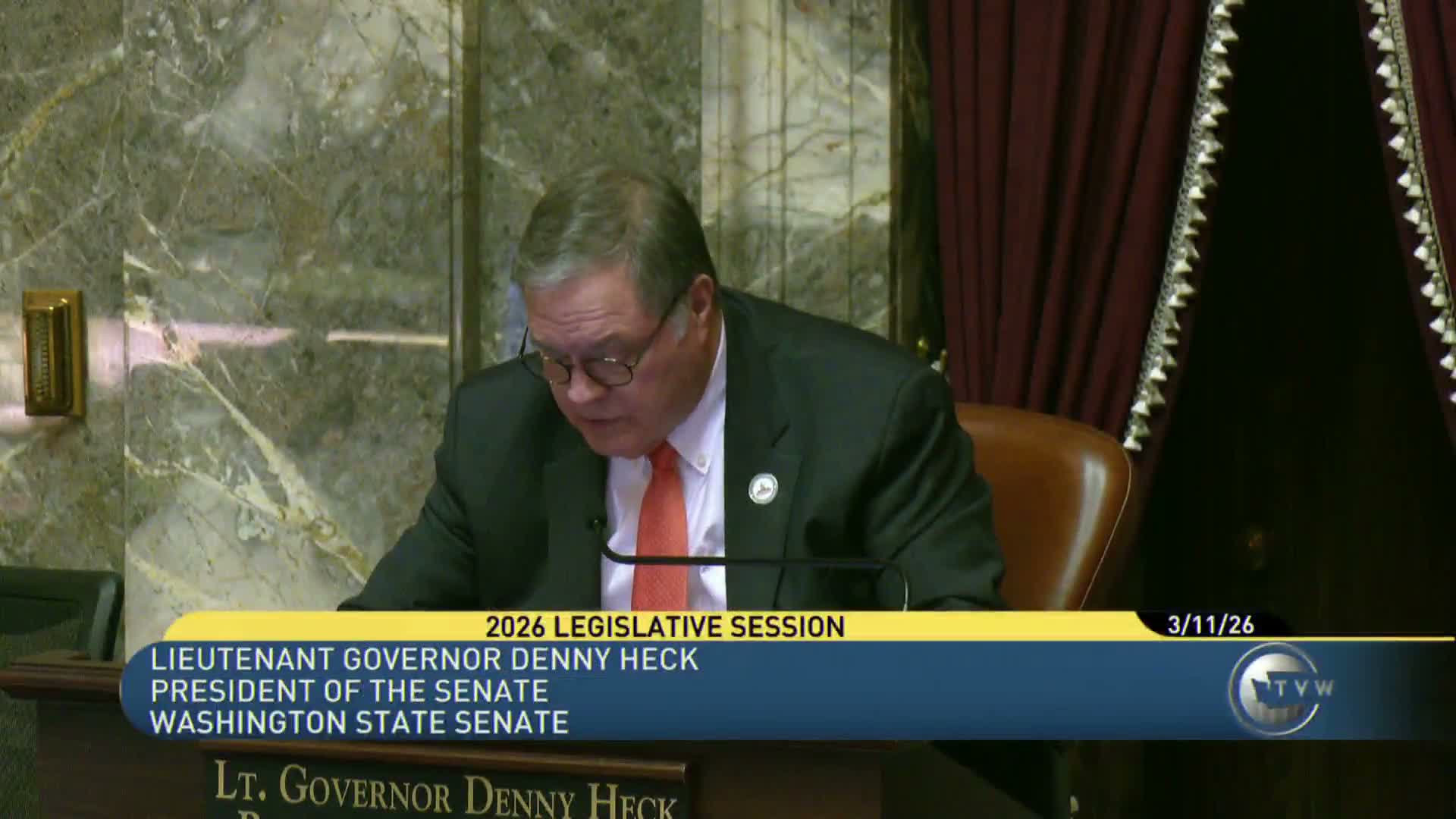
Summary
The Washington State Senate passed Substitute House Bill 2689, changing provider payments in the Working Connections childcare program to an attendance-based system, setting subsidy rates to a market benchmark and removing planned income-eligibility expansions. The bill passed by a constitutional majority and was transmitted to the House.
The Washington State Senate on March 11 approved Substitute House Bill 2689, a package of changes to the Working Connections childcare program that tie provider payments to attendance and adjust how subsidy rates are set.
Sponsor Senator Robinson urged colleagues to support the measure, saying the bill "modifies the way that providers are paid. They will be paid by attendance, the number of days that a child is in their care" and that it "requires childcare subsidy rates to achieve at least the 70th percentile of a market rate." Robinson said the bill also changes how market-rate survey results are used and eliminates scheduled income-eligibility expansions in 2029 and 2031.
Senator Claire Wilson said negotiations and amendments taken in Ways and Means had reduced some potential negative impacts she had seen earlier and asked colleagues for support, while Senator Gildan said the bill provides savings to the state and voiced his personal support despite mixed views in the community.
Senator Braun opposed the bill, warning it could create different sets of safeguards for center-based and home-based providers and leave room for inequity or misuse. He referenced broader concerns about attendance reporting and said the bill "goes a long way" to control costs but that the potential for different rules across provider types influenced his decision to vote no.
The clerk called the roll for final passage and the presiding officer announced 33 ayes and 16 nays; having received a constitutional majority, the Senate declared Substitute House Bill 2689 passed. The Senate then voted to transmit the amended bill immediately to the House of Representatives for further action.
What happens next: The bill, as amended and passed by the Senate, was transmitted to the House for concurrence or further consideration.