
Committee hears bill to require continuity when providers lose payments or close
Get AI-powered insights, summaries, and transcripts
Subscribe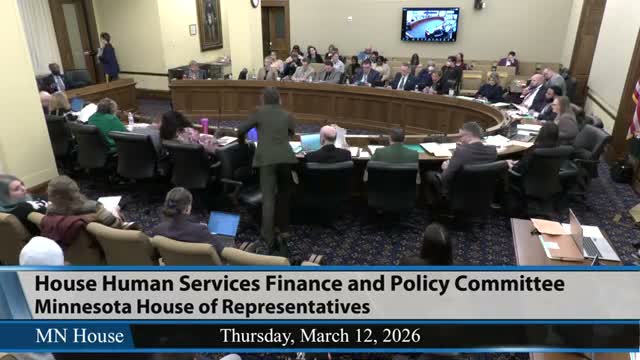
Summary
An informational hearing on a continuity-of-care proposal focused on requiring DHS and lead agencies to coordinate transitions, communicate with recipients, and permit limited temporary continuity (up to 180 days in highest-risk cases) to avoid hospitalizations or loss of housing when providers are sanctioned or fail.
Chair Noor opened an informational hearing on a continuity-of-care bill designed to protect recipients when providers face enforcement actions, payment suspensions, license revocations, insolvency or other operational failures.
Josh Berg, an advocate, told the committee the bill draws a clear line: root out fraud while preventing innocent recipients from becoming collateral damage. He outlined operational requirements the proposal would impose, including written transition plans, identification of high-risk individuals, confirmation of receiving-provider capacity, medical-record transfers, transportation and communication in the family’s language. "It authorizes a limited continuity period up to 180 days for the highest risk recipients so the systems have the runway to transition people safely," Berg said.
Multiple recipients described the real-world consequences of payment pauses and provider investigations: lost staff hours, increased hospitalizations, housing instability and emotional distress. James Wilson and other residents at assisted-living or ICS settings said services that once included hours of direct support have shrunk to brief check-ins; witnesses urged the committee to ensure statutory protections to preserve community-based supports.
Committee members thanked witnesses and asked staff to review testimony; Chair Noor said the draft is preliminary and emphasized that the committee aims to balance enforcement of fraud with protecting recipients who rely on services. Because the hearing was informational, no formal action was taken.
Next steps: Committee members and staff will continue work on draft language and coordination plans during the session.