
Massachusetts Senate asks Supreme Judicial Court to weigh constitutionality of two ballot initiative petitions
Get AI-powered insights, summaries, and transcripts
Subscribe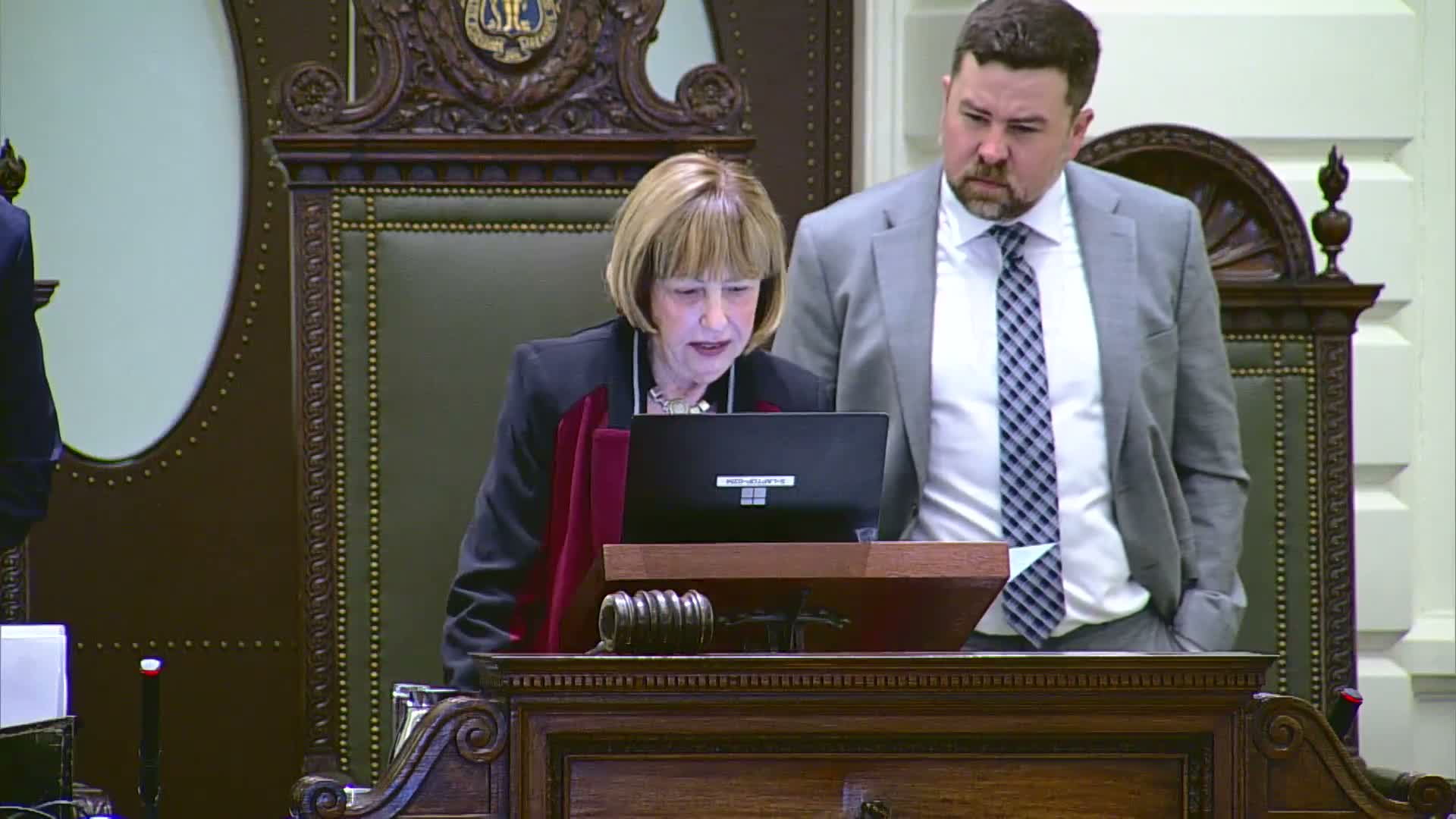
Summary
The Senate voted to request advisory opinions from the Supreme Judicial Court on two initiative petitions — one to expand the public records law to the legislature and one to change legislative stipends — asking whether each is properly the subject of an Article 48 initiative and whether they intrude on the legislature’s internal procedures.
The Massachusetts Senate voted to ask the Supreme Judicial Court for legal opinions on two pending ballot initiative petitions, one seeking to extend the public records law to the General Court and another proposing changes to legislative stipends and related procedures.
Senator Feeney (Bristol) told the chamber the orders are intended to give the legislature and the public more information while the special committee on initiative petitions continues hearings. "So today these orders are simply about getting more information," Feeney said, and added, "The date for us to do that is 05/05/2026." The Senate adopted the first order by voice vote.
The public-records order, as read into the record by the clerk, poses five discrete questions for the court, including whether the petition constitutes a rule of internal procedure rather than a law under Article 48, whether it improperly gives the judicial or executive branches new authority to oversee the legislature’s records, and whether it intrudes on members’ freedom of deliberation, speech and debate. The text says the petition "purports to amend certain provisions of the general laws to extend application of chapter 66 of the general laws" and raises separation-of-powers concerns.
A second order asked similar guidance about Initiative Petition 25-37, which would reform and regulate legislative stipends. The petition, the order states, "purports to condition a member’s receipt of additional regular compensation on legislative compliance with a number of procedural requirements," and the Senate asked whether that would be a permissible subject for an initiative or would improperly regulate internal legislative procedures.
Senator Feeney emphasized the actions taken were not a challenge to the ballot questions themselves but a procedural step to secure constitutional analysis from the state’s highest court as the legislature reviews initiatives. Both orders were adopted by voice votes.
What happens next: the Supreme Judicial Court may answer the legal questions posed by the Senate; the special committee and the full legislature will continue considering the petitions ahead of the statutory decision date noted on the record, May 5, 2026.