
Senate GOP says trimmed supplemental funds essential for roads, disaster relief and urgent maintenance
Get AI-powered insights, summaries, and transcripts
Subscribe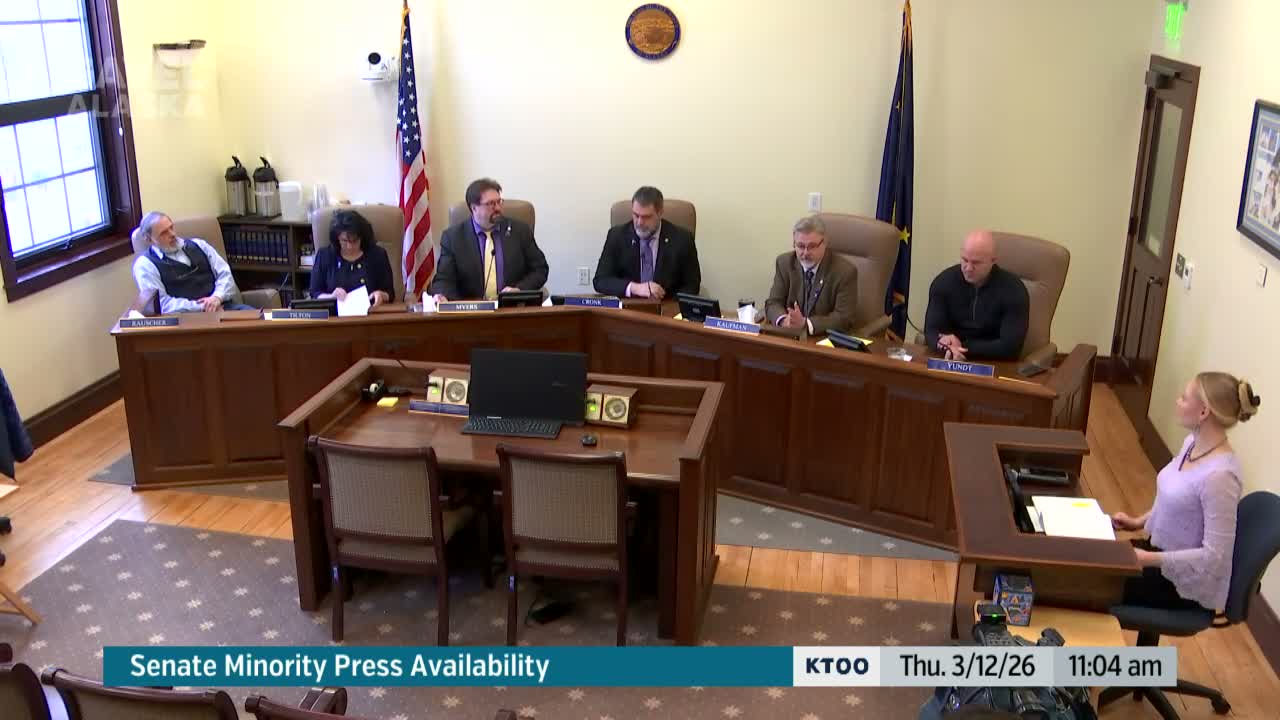
Summary
Senate Republicans described a pared-down supplemental budget that they said removed nonessential departmental overruns and preserved funding for road projects, disaster relief and urgent contractor needs; senators highlighted a statewide deferred maintenance backlog exceeding $10 billion.
Republican senators said Monday the Senate advanced a pared-down supplemental budget focused on fast-track items — roads, disaster relief and urgent maintenance — and removed what they called departmental cost overruns that require more vetting.
"We passed the supplemental out of the Senate, unanimously, after achieving significant reductions," Senator Kaufman said, adding that the bill was trimmed to essentials that needed to be fast-tracked rather than broader departmental additions.
Senator Rausser and Senator Young described the package as reduced from nearly $500 million at one point to the "high 300s," and noted it included road projects, contractor payments, federally funded highways, disaster relief and fire mitigation. Young said many projects must move quickly so contractors can put them on the books.
Senators also raised the broader problem of deferred maintenance across state-owned facilities, saying the total backlog exceeds $10 billion and singled out critical needs at Mount Edgecumbe. They urged prioritizing a 'critical few' projects because resources are limited and rebuilding or major repairs for aging buildings will be expensive.
On education policy, senators said the framework for a forthcoming education bill would include reading grants, transportation inflation proofing and other minority-requested items; they said a committee substitute may roll out soon that reflects bipartisan changes.
The press conference did not record the formal vote counts for the supplemental; senators described passage out of the Senate as unanimous but did not provide specific tallies during remarks.
Next steps: senators said committees will continue vetting details and that leadership should consolidate the decision-support materials and funding priorities to guide future spending and oversight.