
Board of Dental Examiners proposes wider scope for hygienists, creates physician health program and new fees
Get AI-powered insights, summaries, and transcripts
Subscribe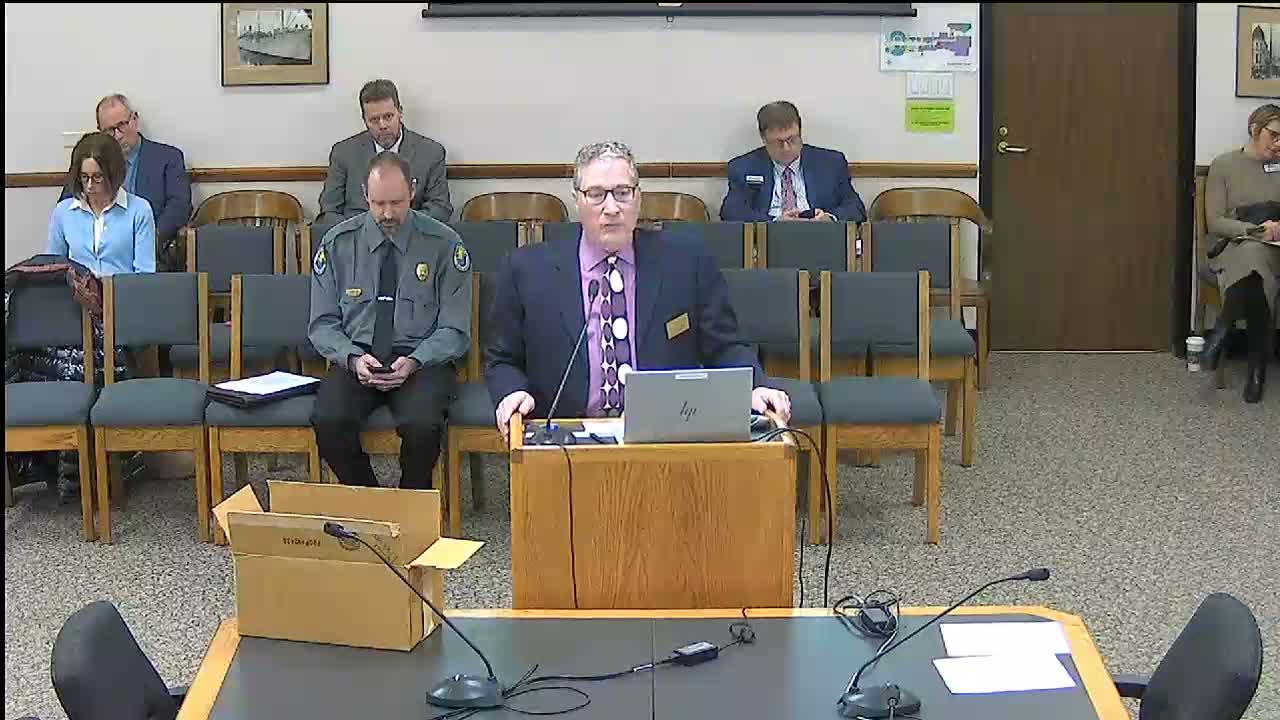
Summary
The State Board of Dental Examiners presented a rule package that would let hygienists administer local anesthetic to minors under dentist supervision, expand tasks for hygienists and assistants, establish participation in a Professional Health Program (PHP) for dentists and raise licensing fees to fund technology upgrades and the PHP.
David Scheible, executive director of the State Board of Dental Examiners, told the Administrative Rules Committee the package implements statutory changes and aims to address workforce shortages and operational efficiency in dental offices. Scheible said the board will allow hygienists to administer local anesthetic to minors with a supervising dentist in the building and will broaden when hygienists may use local anesthetic for adult patients if a dentist has authorized the procedure but is not immediately in the room. "Our hygienists can now and this took a statutory change," Scheible said, describing the change as a step aimed at reducing canceled appointments in rural areas when a dentist must briefly leave the office.
The rules would also expand duties for hygienists and dental assistants, including permitting qualified assistants to use higher‑speed electric handpieces in clinics where training has been provided. Scheible said the board reviewed practices in other states and university training programs and concluded safety and workforce training justify the change.
A prominent element in the package is a Professional Health Program (PHP) participation pathway for dentists. Scheible said the PHP provides confidential support for substance‑use and behavioral health issues and urged the committee that participation could keep practices open while clinicians receive treatment. Oral surgeon Dr. Edward May, who testified in support, described the PHP as "a lifesaver for people like me," recounting his recovery and saying confidential access to treatment can prevent loss of licensure and help clinicians remain in practice.
To fund the PHP and technology upgrades, the board proposes a one‑time assessed fee and a recurring PHP fee tied to biennial license renewals. Scheible said the board plans a $75 PHP fee charged at renewal and a one‑time charge to establish the program so it has operating funds before the next renewal cycle. He said the board also seeks roughly a 5% across‑the‑board fee increase to modernize online applications and cover inflationary costs.
Supporters at the committee described the changes as workforce‑focused and intended to preserve access, particularly in rural areas. Committee members questioned training standards, safeguards for minors and fee sufficiency; Scheible said hygienists already receive training in local anesthetic in hygiene programs and that the board limited the policy for minors to experienced hygienists approved by the supervising dentist.