
Former Frisco mayor Ira Maso urges Denton to prioritize long-term financial sustainability and master planning
Get AI-powered insights, summaries, and transcripts
Subscribe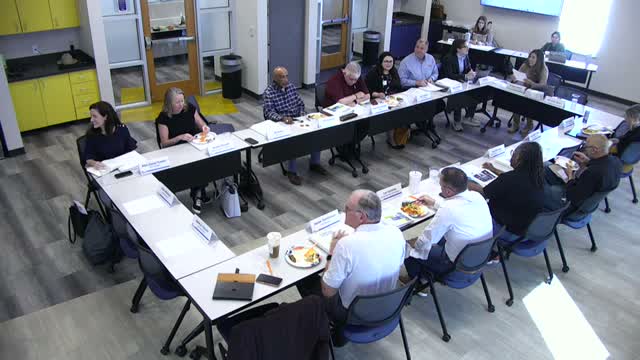
Summary
At the March 11 Economic Development Partnership Board meeting, guest speaker Ira Maso, former Frisco mayor and partner at Ryan LLC, urged Denton to treat economic development as a city'level 'R&D' function, preserve master-plan land, and favor projects that return sustained tax revenue over short-term popularity.
Former Frisco mayor Ira Maso told the Economic Development Partnership Board on March 11 that Denton should prioritize long-term financial sustainability, master planning and workforce partnerships as the foundation for future growth. Speaking as a partner in credits and incentives at Ryan LLC, Maso said cities are "forever" and that municipal decisions must be judged on whether they will stand the test of time.
"Cities are forever," Maso said. "The only way to be financially sustainable is spend taxpayer funds in areas that give you a return." He advised council members and board members to focus first on strengthening core revenue streams'property and sales taxes'so a city can afford parks, libraries, public safety and other services later.
Maso described economic development as a city's R&D function: invest in projects that expand the tax base and attract jobs and visitors. He cited Frisco's early investments in destination amenities and sports facilities as examples of a strategy that helped broaden the city's revenue base, noting that some investments required debt financing but produced measurable tourism and corporate impacts.
On site selection, Maso said incentives rarely top a corporate location checklist: access to a qualified workforce, transportation links and a stable local direction matter most. "Incentives are great. They're never in the top three. They make a difference when you're left as a finalist," he said, urging stronger ties with local universities and workforce programs to supply trained employees.
Board members pressed him on tradeoffs associated with destination projects and stadiums. Maso acknowledged maintenance costs and ongoing operating expenses but argued that, when planned and paired with complementary investments, destination projects can create substantial recurring economic activity. He recommended that Denton protect buildable land for future parks and strategic uses and avoid frequent policy reversals that could unsettle companies.
The keynote concluded with Maso urging a unified long-range vision, careful use of incentives and continued collaboration with universities and regional partners. The board thanked Maso before moving on to staff reports.