
Committee advances bill to limit civil immigration enforcement in Minnesota hospitals and clinics
Get AI-powered insights, summaries, and transcripts
Subscribe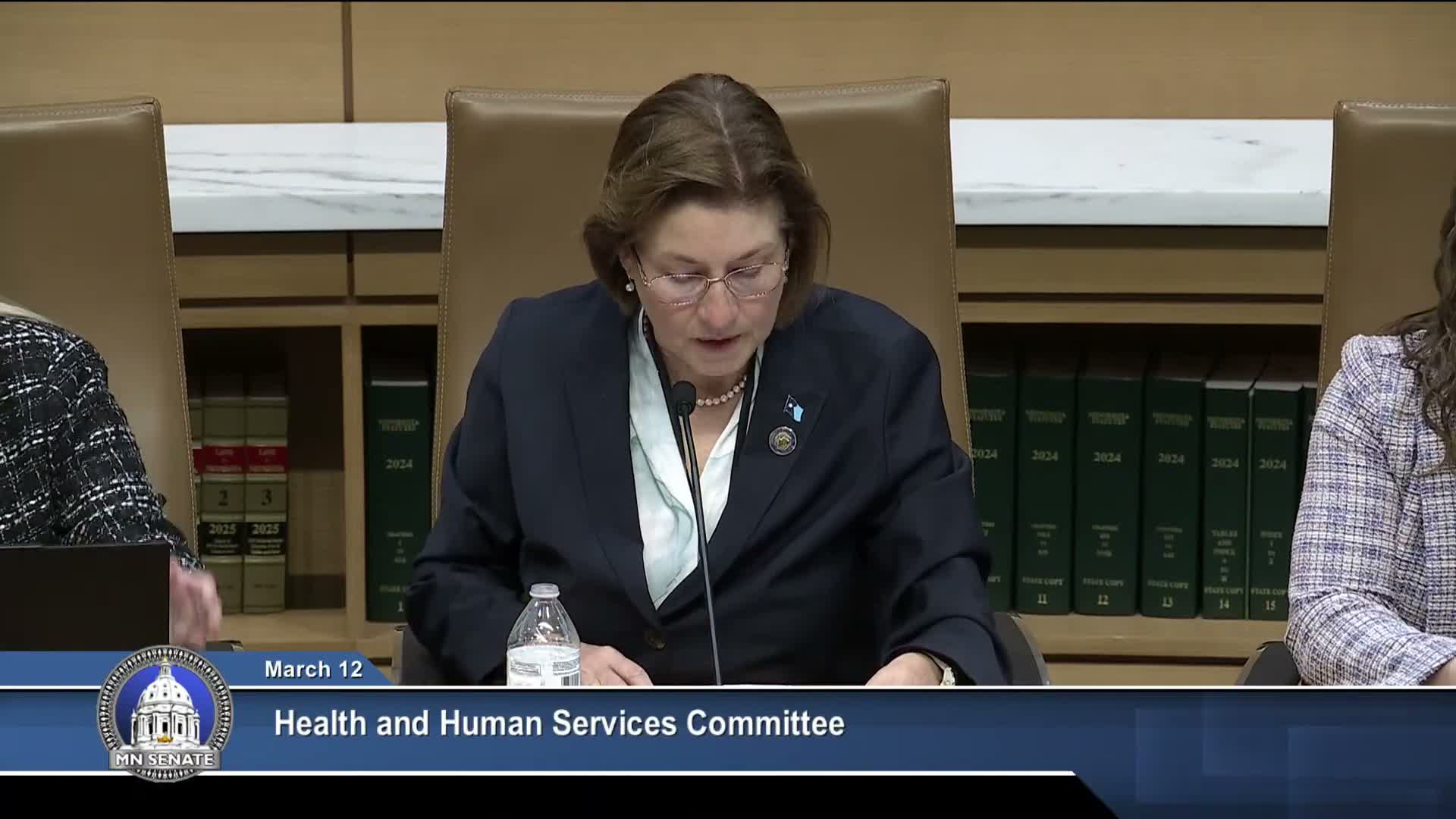
Summary
After testimony from nurses, physicians and hospital groups about patients delaying care and staff safety concerns, the Senate committee recommended SF 4242 to the Judiciary Committee. Supporters said the measure restores protections for sensitive health‑care locations; hospitals urged careful implementation guidance.
The Senate Health and Human Services Finance and Policy Committee on March 12, 2026 recommended Senate File 4242 for passage and referral to the Judiciary Committee after medical professionals, nurses and hospital representatives described enforcement activity that they said interfered with patient care.
Senator Mann introduced SF 4242, saying hospitals, nursing homes and clinics should be protected spaces and that the bill would require appropriate warrants and internal policies so staff know how to respond when agents arrive. Supporters argued the measure restores earlier guidance that had limited enforcement at sensitive locations.
Nurses and clinicians gave detailed accounts. Rachel Anderson of the Minnesota Nurses Association said staff have seen ICE question patients at bedside, remove patients from emergency departments and impede care; Jamie Sharp, a medical student and Unidos Minnesota volunteer, said frontline workers have been trained to protect patients and that hospital policy clarity is needed. Several physicians described patients delaying preventive and urgent care, including prenatal visits, because of fear.
Hospitals and system representatives acknowledged the harms cited by witnesses but warned that workplaces could be placed in difficult operational positions. Michelle Benson of the Minnesota Hospital Association told the committee that hospitals must balance patient safety and legal realities and cautioned that staff should not be asked to make complex legal determinations in the middle of clinical care. Benson urged collaboration on implementation details; witnesses said the legislation requires policies, training and protections for staff who raise concerns.
Advocates and ACLU counsel reiterated that the bill limits civil immigration enforcement in sensitive locations, cited federal memos and ongoing litigation, and argued that requiring a judicial warrant for nonconsensual entry is consistent with precedent in other states. Committee members discussed operational language and asked for clarity on how hospitals and staff would implement policies.
Senator Mann moved to recommend SF 4242 to pass and be referred to Judiciary. A roll call recorded seven yes and two no votes and the motion carried. The bill now goes to the Judiciary Committee for further review of legal and operational language.