
Operations reports proactive maintenance gains but warns of tight water year and field costs
Get AI-powered insights, summaries, and transcripts
Sign Up Free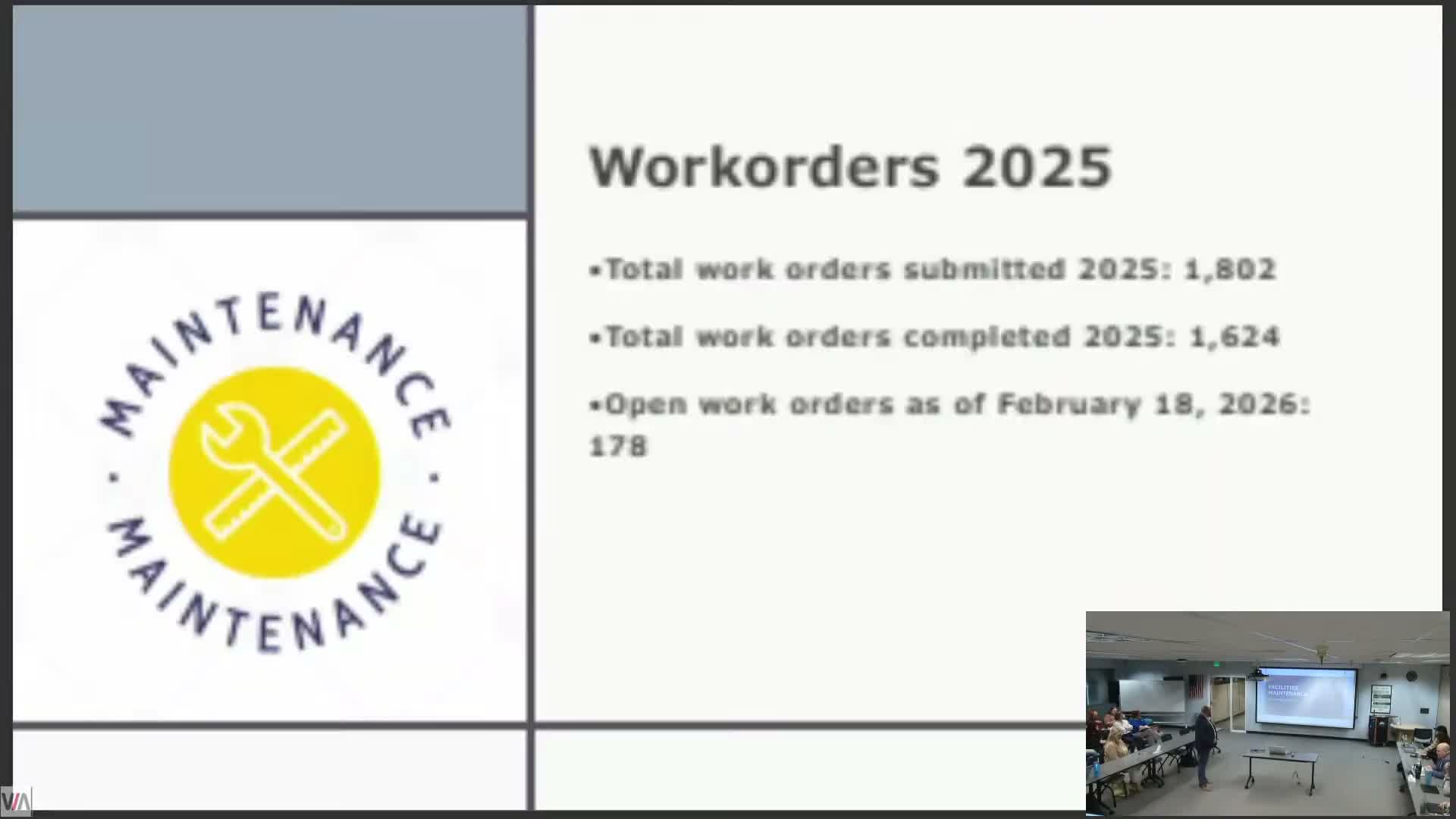
Summary
Operations said preventive maintenance reduced work orders by about 16%, the district faces a tight water year with irrigation share limits affecting some high school fields, and board members debated astroturf costs, field utilization and rental fees amid a roughly $25,000 rental subsidy year‑to‑date.
Silva reported maintenance and facilities progress and highlighted emerging cost and resource tradeoffs the district must manage.
On maintenance, Silva said the district has moved from reactive repairs to preventive maintenance: completed work orders are trending down and a 16% reduction in work orders was reported; he credited new service agreements and two recently hired skilled maintenance technicians for the improvement. "We've been able to reduce, drop our work orders by 16%," Silva said, and argued proactive work will lengthen equipment life and reduce emergency call‑outs.
Water availability and irrigation constraints were a major concern. Silva warned the upcoming summer will be tight for water, described Grantsville irrigation shares (a share is about 250,000 gallons in a typical year but actual allotments vary) and said two schools rely solely on irrigation with no culinary‑water crossover. The district plans to prioritize athletic‑field watering where player safety is concerned and accept browning of nonessential turf areas.
Board members and staff also discussed synthetic turf (astroturf) as an option to conserve water and increase field utilization. Presenters estimated typical installation costs in the market around $1.2 million per field with an approximate 10‑year payback; they also described heat‑index impacts on synthetic surfaces and the maintenance requirements that determine actual lifespan and savings.
On community rentals, operations said current rental fees are based on an outdated 2010 schedule and that district rentals have been subsidized by roughly $25,000 year‑to‑date (July 1–March 31). Board members debated raising fees, protecting marquee fields from heavy outside use, and offering targeted incentives to move heavy users to turf venues.
Next steps: operations will continue preventive maintenance planning, prioritize water allocation for safety, refine cost/benefit analysis for turf conversions, and prepare an updated rental fee proposal for board review before summer.