Get Full Government Meeting Transcripts, Videos, & Alerts Forever!
Get email alerts on the Qualified Immunity topic
No spam. Unsubscribe anytime.
Appeals court hears challenge to denial of summary judgment in Cambridge liquor-licensing dispute
Summary
An appellate panel heard arguments in 25P0186 about whether individual defendants are entitled to qualified immunity for actions tied to Cambridge liquor-licensing rules and an alleged private CLAB scheme; defense argued interlocutory appeal was proper under the present-execution doctrine while plaintiffs pressed record evidence of alleged ultra vires conduct.
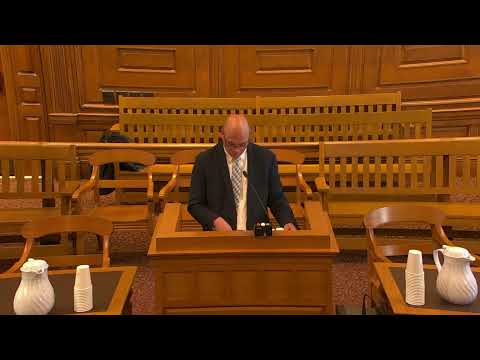
An Appeals Court panel heard argument in case 25P0186, in which appellants challenge the Suffolk Superior Court’s denial of their motion for summary judgment on individual-capacity negligence claims arising from Cambridge liquor-licensing decisions. Defense counsel Diane Piris told the panel that "the appeal is properly before the court pursuant to the doctrine of present execution" and argued the record does not present a genuine dispute of material fact that would defeat qualified immunity.
The panel pressed counsel on whether the superior court’s view — that material facts remain in dispute and a trial is needed to resolve qualified-immunity questions — was sufficient to deny immediate review. Piris pointed the court to statutory provisions governing licensing authority and to the defendants’ affidavits, asserting those materials show the challenged conduct fell within the defendants’ employment duties and thus is protected. "The record," she said, "includes the applicable statutes that note in Cambridge that authority and ability to issue licensing and regulations falls within the licensing commission."
Plaintiff appellees’ counsel Kimberly Courtney countered that the record contains detailed evidence of a scheme she described as going beyond mere regulatory error. Courtney told the panel the record includes council minutes, website materials and transcripts showing a private entity (referred to in briefing as CLAB) that plaintiffs say diverted disciplinary matters and afforded preferential treatment to paying members. "We are talking about RICO allegations," Courtney said, adding that commissioners allegedly treated CLAB membership as a route to preferential licensing outcomes.
Judges repeatedly asked both sides for discrete record citations. The defense argued plaintiffs "buried the court in documentation" without identifying the specific facts required by Superior Court Rule 56, and suggested plaintiffs could have sought additional discovery under Rule 56(f). Plaintiffs said they can point to multiple records and urged the panel to read the record de novo at this stage, citing Supreme Judicial Court precedent that bare conclusory affidavits cannot substitute for specific evidentiary showing.
The argument addressed both statutory interpretation of chapter 138 provisions that touch on local caps and board discretion and the civil-procedure question whether plaintiffs met their burden to show a genuine factual dispute. The panel concluded argument and submitted the matter for decision.
The appeals court took the case under advisement; no decision was announced from the bench.