
Council hearing: advocates and students warn BPS staffing cuts threaten bilingual and special‑education supports
Get AI-powered insights, summaries, and transcripts
Subscribe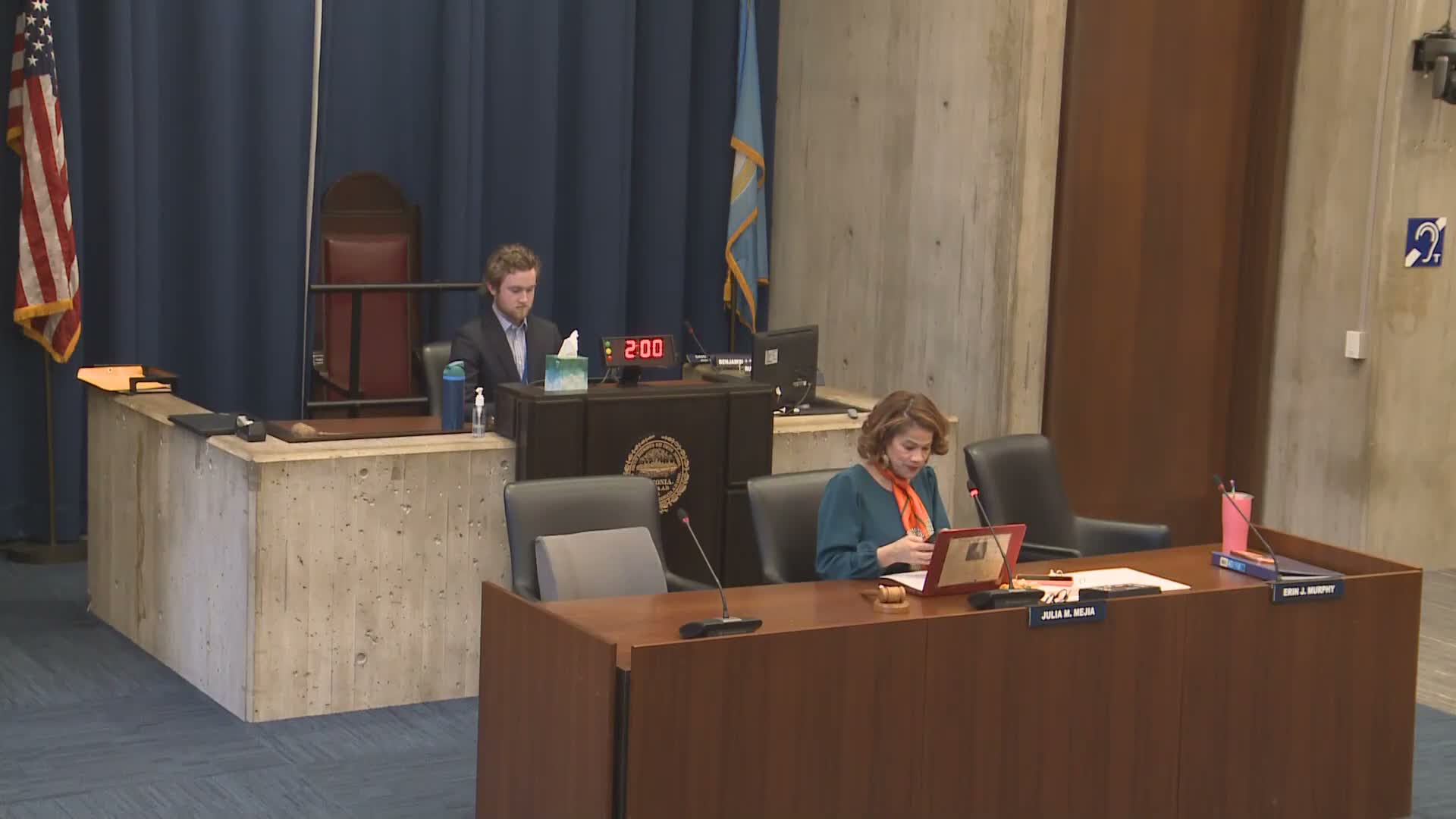
Summary
Community leaders, students and Boston Public Schools officials testified at a City Council committee hearing about proposed FY26 staffing changes, warning cuts to bilingual teachers and paraprofessionals would undermine inclusive education even as the district points to modest early gains under its inclusive‑education rollout.
Boston City Councilors convened a joint hearing on March 10 to examine Boston Public Schools’ spending and services for multilingual learners and students with disabilities. Community witnesses and student leaders pressed the district for clearer plans after testimony that the FY26 budget would eliminate coded bilingual teacher and paraprofessional positions, while BPS officials said the district is refining service‑allocation tools and rolling out transitional bilingual programs in selected schools.
Ari Brands, co‑executive director of St. Stephen’s Youth Programs, told the council the city is losing bilingual capacity: “We’re losing a 110 bilingual teacher positions and 28 bilingual para positions,” and urged a 10‑year plan so “every family that wants a bilingual seat can have one.” That testimony echoed the student and parent witnesses who said supports described on paper were not consistently present in classrooms.
BPS Deputy Superintendent Dr. Simone Wright acknowledged decades of community frustration but defended early results from the inclusive‑education implementation. Wright said the district had seen “a 4% increase trending for students acquiring English” in parts of the first‑year rollout and pointed to gains in graduation and dropout metrics as evidence of “early wins.” She said the district is less than halfway through its rollout and pledged to scale successful in‑district models.
Panelists from the Boston Teachers Union and Lesley University framed the issue as both pedagogical and budgetary. Katie De La Rosa, BTU inclusive‑education liaison, warned that implementation depends on sustained staffing and job‑embedded coaching, not one‑off trainings. Professor Maria Dolor Serpa, who has worked on bilingual special‑education issues for decades, urged placing home‑language access at the center of services for multilingual learners with disabilities and noted that only a small share of BPS students currently attend dual‑language programs.
Multiple witnesses, including Kevin Bott of the advocacy group META, raised transparency problems in federal Title I spending. Bott said Title I checklists were not produced to class counsel for two years until he requested them and that his review of newly provided documents identified more than $1,000,000 in planned Title I funds that were not spent.
Councilors pressed BPS on details they said would be necessary to judge the tradeoffs in the budget: how many paraprofessionals or specialized staff would be affected, whether cuts would remove one‑to‑one supports, and how service mapping and professional development would preserve classroom-level supports. BPS officials described work to (a) correct how bilingual staff are coded in payroll and staffing systems, (b) set exit criteria for short‑term SLIFE/SEI placements (maximum two years or ACCESS proficiency threshold), (c) expand dual‑language programs in phases, and (d) use service mapping to align staff with student needs.
Several parents and school staff told the council that the district’s rising special‑education spending has not eliminated chronic unfilled IEPs and that cuts to paraprofessionals and co‑teaching roles at schools such as Charlestown High, Curley and the Joseph Lee strand would cause immediate classroom consequences. Student testimony — recorded and live — framed the issue as classroom‑level access: “We deserve to be included,” a seventh‑grade student said in a taped statement.
The council took no formal votes at the hearing. Members said they will use the March hearing record and follow up in scheduled April budget hearings and in the committee’s audit work to request detailed, school‑level staffing and spending breakdowns before any final budget decisions.